Iran warns it takes every 'enemy' threat seriously, denies Hormuz deal
Synopsis
Iran's Acting Defence Minister publicly declared that Tehran treats every enemy threat as real — not bluster — even as US President Trump claimed he had paused strikes pending a Hormuz deal. Tehran's semi-official Fars News Agency flatly denied any such agreement exists, leaving one of the world's most critical oil chokepoints at the centre of a rapidly escalating standoff.
Key Takeaways
Acting Defence Minister Seyed Majid Ebn Al-Reza said on 2 August that Iran treats all enemy threats as 'real and noteworthy,' not psychological warfare.
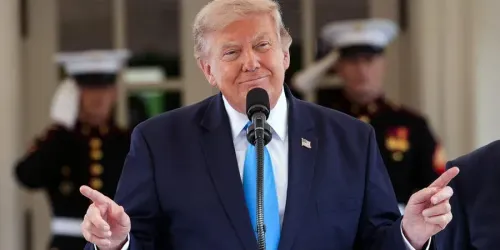
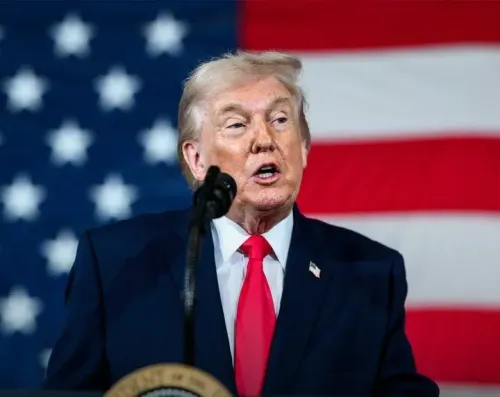
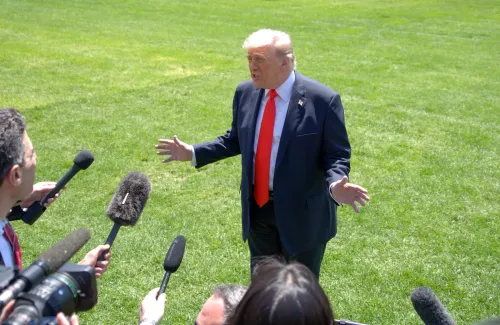
President Trump posted on Truth Social that he held off strikes on Iran after being asked by Iran and other Middle Eastern nations, citing a forthcoming Hormuz deal.
Israel's Channel 12 reported Iranian Foreign Minister Seyed Abbas Araghchi had agreed to a Qatari-US-brokered compromise on Hormuz transit.
Iran's semi-official Fars News Agency denied the compromise report; a military source said the strait remains closed except via IRGC -designated routes.
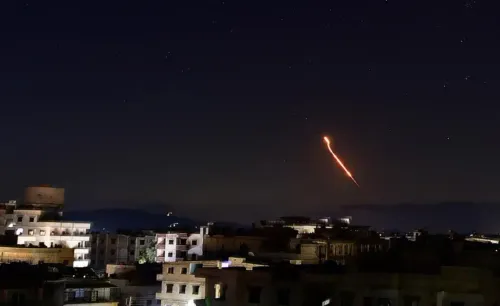
Earlier reports had warned of potential US and Israeli strikes on Iranian energy infrastructure over the weekend.
Iran's Acting Defence Minister Seyed Majid Ebn Al-Reza said on Sunday, 2 August that Tehran treats every threat from its enemies as 'real and noteworthy,' firmly rejecting suggestions that such warnings amount to psychological warfare. The statement came hours after US President Donald Trump claimed he had agreed to hold off fresh military strikes against Iran, citing a forthcoming deal that would include the opening of the Strait of Hormuz.
What Al-Reza Said
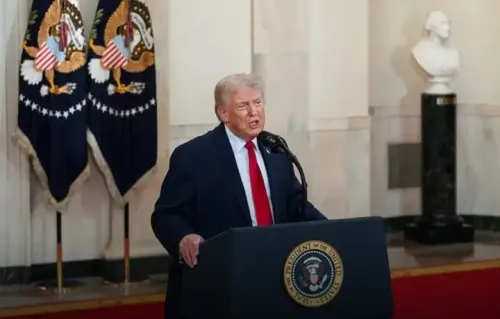
'We will neither be surprised nor remain passive. We use threats as a basis to increase our preparedness, strengthen our deterrence, and develop our power,' Al-Reza wrote in a post on X. The statement was a direct response to Trump's post on Truth Social, in which the US president declared that Washington was 'locked and loaded and ready to go against the Islamic Republic of Iran, at levels of Military Terror, Strength, and Power not seen since World War II.'
Trump added that he had held off after being 'asked by Iran, and other Middle Eastern Countries,' referencing a forthcoming deal that would purportedly include the 'Immediate, Complete, and Total OPENING OF THE HORMUZ STRAIT, and an end to Iran's nuclear threat.'
Iran Rejects Hormuz Compromise Reports
Israel's Channel 12 reported on Sunday that Iranian Foreign Minister Seyed Abbas Araghchi had agreed to a Qatari-US-brokered compromise allowing vessels to enter the Persian Gulf through the Iranian-controlled side and exit via Omani waters. However, Iran's semi-official Fars News Agency, citing a source close to the Iranian negotiating team, swiftly dismissed the claim.
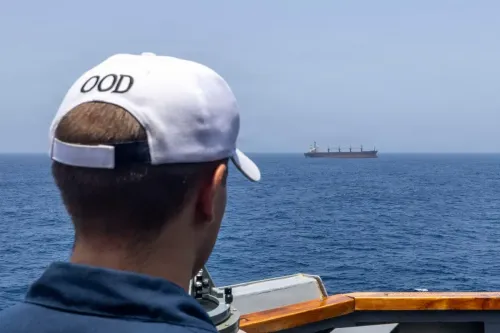
A military source quoted by Fars stated that as long as US 'hostile and malicious acts' continue, the Strait of Hormuz will remain closed to standard transit. Vessels would be permitted to pass only via Iran-designated routes and with the explicit coordination and permission of the Navy of the Islamic Revolutionary Guard Corps (IRGC). The source warned that all other routes are 'unsafe,' signalling no softening of Tehran's position on the waterway.
Strike Fears and Regional Tensions
Earlier US media reports had suggested that US and Israeli strikes on Iranian energy infrastructure could begin over the weekend of 2 August. The flurry of statements from both sides — Trump's Truth Social post, Al-Reza's X response, and the contradictory reports on a Hormuz deal — reflects the acute volatility gripping the region.
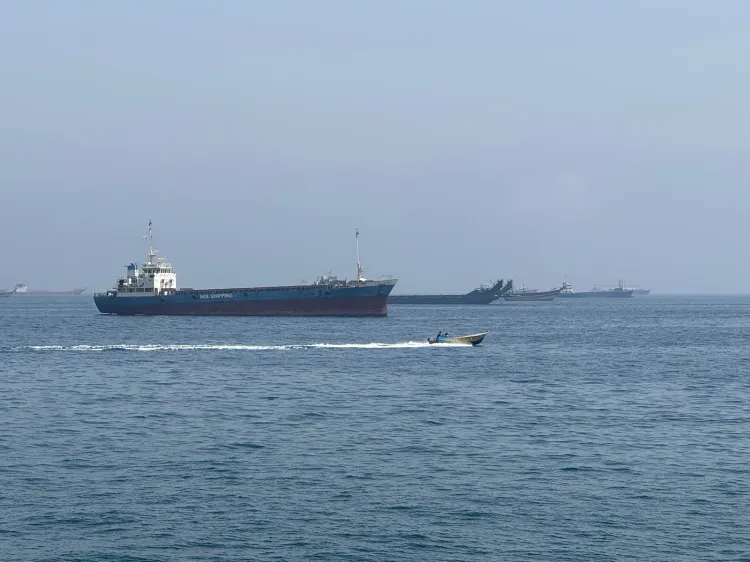
Notably, the Strait of Hormuz handles roughly 20% of the world's oil trade, making any disruption a matter of global economic consequence. Iran's insistence on IRGC-coordinated transit represents a significant assertion of control over one of the world's most critical shipping lanes.
What Comes Next
With conflicting signals from Tehran, Washington, and regional intermediaries, the diplomatic situation remains highly fluid. The reported Qatari-US mediation channel is still active, but Iran's public denials of any agreed compromise suggest that a formal deal, if one exists, has not yet been confirmed by all parties. Analysts and energy markets will be watching closely for any further escalation or breakthrough in the coming days.
Point of View
But the gap between what each party is willing to publicly acknowledge remains dangerously wide.
NationPress
2 Aug 2026
Frequently Asked Questions
What did Iran's Acting Defence Minister say about enemy threats?
Acting Defence Minister Seyed Majid Ebn Al-Reza said on 2 August that Tehran treats every threat from its enemies as 'real and noteworthy,' rejecting any suggestion that they are mere psychological warfare. He added that Iran uses such threats as a basis to increase preparedness and strengthen deterrence.
Did Iran agree to reopen the Strait of Hormuz?
Iran denied agreeing to any such deal. While Israel's Channel 12 reported that Foreign Minister Seyed Abbas Araghchi had accepted a Qatari-US-brokered compromise, Iran's semi-official Fars News Agency cited a source close to the negotiating team to flatly reject the claim.
What did Trump say about holding off strikes on Iran?
President Trump posted on Truth Social that the United States was 'locked and loaded' but had agreed to hold off strikes after being asked by Iran and other Middle Eastern nations. He cited a forthcoming deal that would include the immediate and complete opening of the Strait of Hormuz and an end to Iran's nuclear threat.
What is Iran's current position on Strait of Hormuz transit?
According to a military source quoted by Fars News Agency, the Strait of Hormuz will remain closed to standard transit as long as US hostile acts continue. Vessels may only pass via Iran-designated routes with the coordination and permission of the IRGC Navy; other routes are described as unsafe.
Why does the Strait of Hormuz matter so much?
The Strait of Hormuz is one of the world's most critical oil shipping chokepoints, handling roughly 20% of global oil trade. Any closure or restriction on transit has immediate consequences for global energy prices and supply chains, making the current standoff a matter of international economic concern.