Iran war splits US leaders after midterm election rout
Synopsis
America's post-midterm autopsy has become a war debate. Pence says Republicans lost because they didn't finish the Iran campaign; Vance says the war itself was the problem; Democrats want the money cut off entirely — and all of it collides with a December 12 government shutdown deadline that gives every faction maximum leverage.
Key Takeaways
Former Vice President Mike Pence argued on 15 November 2026 that Republicans lost the midterms because the US 'stopped short' of a decisive outcome in the war against Iran .
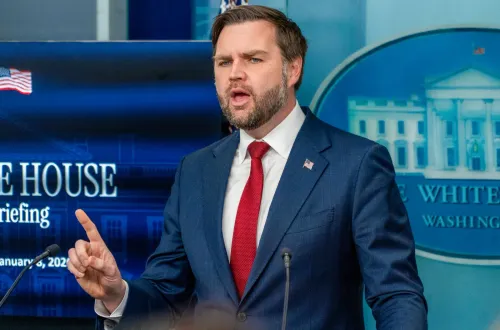
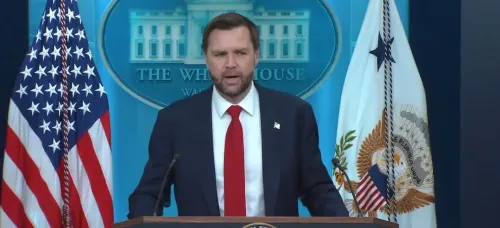
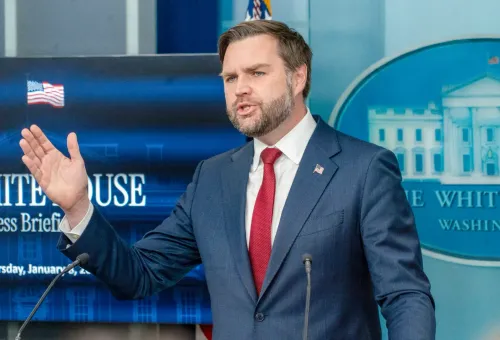
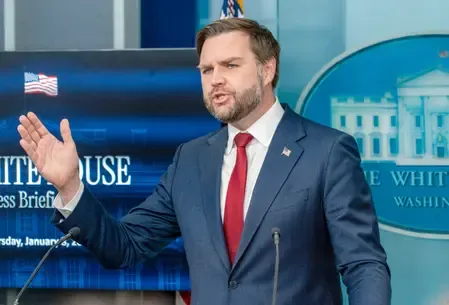
Vice President JD Vance posted on X on 4 November that 'the reason we lost is the war,' pointing to voters who switched from Trump over the conflict and rising living costs.
Democratic Senator Chris Van Hollen called on Congress to cut off war funding entirely, describing the conflict as illegal.
Mississippi Senator-elect Scott Colom linked the war and Trump's tariffs to higher costs, saying voters expect him to hold the president to his anti-war campaign promise.
Federal funding expires on 11 December 2026 ; a government shutdown could begin 12 December if no deal is reached, adding urgency to the Iran funding standoff.
The US war against Iran has emerged as the sharpest fault line in Washington's post-election reckoning, with former Vice President Mike Pence arguing on Sunday, 15 November 2026 that Republicans lost because the United States 'stopped short' of a decisive outcome, while Democratic Senator Chris Van Hollen called on Congress to cut off funding for the conflict entirely.
Pence vs Vance: Two Diagnoses of Republican Losses
Speaking on NBC's 'Meet the Press', Pence pushed back against Vice President JD Vance's assessment that the war itself had cost Republicans at the ballot box. Pence argued instead that the electorate was frustrated by the administration's decision to pause military operations before securing a conclusive result — framing the problem as one of incomplete execution, not strategic misjudgement.
Pence acknowledged that rising petrol and diesel prices had stoked public anger but insisted that the core failure was Washington's reluctance to see the campaign through. He also broadened his critique to cover Trump's tariffs, swelling government debt, and what he characterised as an overly accommodating posture toward both Russia and Iran.
Vance had offered a starkly different reading the day after the midterms. 'The reason we lost is the war,' he wrote on X on 4 November, arguing that Republicans needed to reckon with the political cost of the conflict. He said voters who backed President Donald Trump in 2024 had switched to Democrats because they wanted the war ended and greater attention paid to living costs. Trump, for his part, defended the decision to attack Iran, saying preventing Tehran from acquiring a nuclear weapon justified the action.
Democrats Push to End Funding for the War
Senator Van Hollen, appearing on CNN's 'State of the Union', drew the opposite lesson from the results. The Maryland senator described the conflict as illegal and argued that Congress should deploy its spending authority to bring it to an end, refusing any further appropriations for military operations against Iran.
Van Hollen explicitly linked that position to the approaching government funding deadline. When pressed on whether the standoff could trigger a shutdown, he argued that Trump would bear the political responsibility if he chose to continue the war at the cost of funding federal agencies.
He also framed ending the war as an immediate economic priority, connecting the conflict to surging household costs — including petrol, diesel, fertiliser, and heating oil.
Senator-Elect Colom Links War and Tariffs to Voter Anger
Mississippi Senator-elect Scott Colom echoed that economic framing in his own Sunday interviews, tying both the war and Trump's tariffs to higher costs for ordinary Americans. He said voters expected him to hold Trump to his campaign commitments, including an explicit promise to avoid prolonged foreign wars.
Colom also called for pressing healthcare changes during the upcoming funding negotiations, rather than deferring the issue until a new Congress convenes.
Government Shutdown Deadline Looms on December 12
Federal agencies are currently funded through 11 December 2026 under the Continuing Appropriations and Extensions Act, 2027, signed on 2 September. Without a replacement funding agreement, a lapse could begin on 12 December, triggering a shutdown of affected government activities.
The convergence of the war debate and the funding deadline means Washington is heading into a compressed political window in which the Iran conflict, economic grievances, and a potential government shutdown are all in play simultaneously — with neither party yet offering a clear path to resolution.
Point of View
And is now paying the price at the polls. Pence's framing (we lost because we didn't finish) and Vance's framing (we lost because we started) are irreconcilable, which makes a coherent Republican foreign policy response nearly impossible heading into the new Congress. Democrats, meanwhile, are shrewdly using the shutdown deadline as leverage — but their own credibility on the conflict depends on whether Van Hollen's 'illegal war' argument holds legal water, something he left unspecified. The real casualty of this debate may be the December funding talks: if the Iran question becomes attached to appropriations, Washington could sleepwalk into a shutdown driven entirely by a foreign war most Americans reportedly wanted ended.
NationPress
15 Nov 2026
Frequently Asked Questions
Why did Republicans lose the midterm elections, according to US leaders?
Republican leaders are divided on the cause. Former Vice President Mike Pence argues the losses stemmed from the US pausing military operations against Iran before achieving a decisive result, while Vice President JD Vance contends the war itself was the problem, saying voters who backed Trump in 2024 switched to Democrats because they wanted the conflict ended.
What is Senator Van Hollen's position on the Iran war?
Democratic Senator Chris Van Hollen wants Congress to use its spending authority to cut off funding for the war against Iran, which he has described as illegal. He also linked the conflict to rising household costs — including petrol, diesel, fertiliser and heating oil — and presented ending the war as an immediate economic priority.
Could the Iran war debate trigger a US government shutdown?
It is possible. Federal funding runs through 11 December 2026 under the Continuing Appropriations and Extensions Act, 2027; without a replacement deal, a shutdown could begin 12 December. Van Hollen has signalled he would use those funding negotiations to press for an end to war spending, and has argued that Trump would bear responsibility for any shutdown if he insists on continuing the conflict.
What did JD Vance say about the Iran war after the election?
On 4 November, Vance posted on X that 'the reason we lost is the war,' arguing Republicans needed to acknowledge the conflict's political cost. He said voters who had supported President Donald Trump in 2024 switched to Democrats because they wanted the war ended and greater focus placed on living costs.
What was President Trump's justification for attacking Iran?
President Donald Trump defended the decision to strike Iran by arguing that preventing Tehran from obtaining a nuclear weapon justified the military action. He made this case after the midterm results, in contrast to the more critical assessments offered by Pence and Vance.