US Navy Iran war straining resources, China readiness at risk: Hung Cao
Synopsis
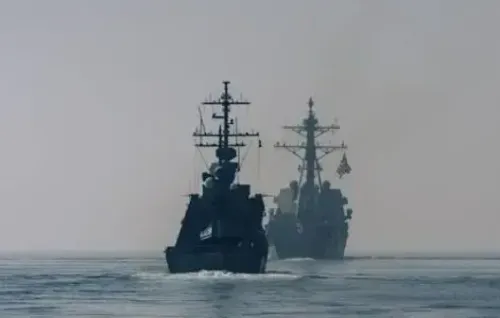
The US Navy's acting secretary has openly admitted in Congress that the Iran war is straining naval resources — a rare on-record concession that the Middle East campaign may be undermining America's ability to deter China in the Indo-Pacific. With 321-day deployments, depleted munitions, and eight suicide attempts on a single carrier group, the human and strategic cost is now a congressional flashpoint.
Key Takeaways
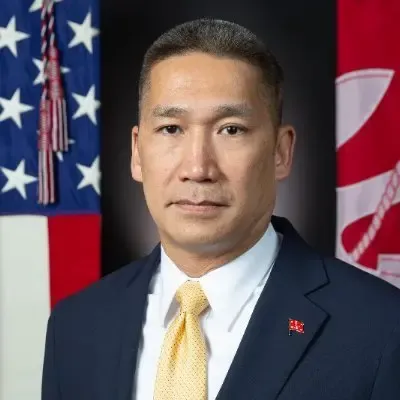
Acting US Navy Secretary Hung Cao admitted the Iran war is 'stressing naval resources' at his Senate confirmation hearing on Tuesday .
Senator Mazie Hirono warned that Middle East deployments are diverting ships and attention from the Indo-Pacific , where China and North Korea pose active challenges.
Eight suicide attempts were reported aboard the USS Abraham Lincoln strike group during a 321-day deployment, according to Senator Mark Kelly .
The destroyer USS Gonzalez was flagged as having only about one week's food supplies remaining, below Cao's preferred two-week threshold.
Cao said he had briefed President Donald Trump 's administration on the Navy's requirements, providing options and mitigation plans.
Senators questioned whether shipbuilding investment was matched by funding for shipyard maintenance capacity.
Acting US Navy Secretary Hung Cao admitted before the Senate Armed Services Committee on Tuesday that the ongoing war with Iran was placing significant strain on American naval resources, raising concerns among senators about Washington's capacity to counter China in the Indo-Pacific. The admission came during Cao's confirmation hearing to become the Navy's permanent secretary.
Key Admission at Senate Hearing
'Senator, it is stressing our naval resources,' Cao told Senator Mazie Hirono, a Democrat from Hawaii, in direct testimony. The acknowledgement was notable given its candour — a sitting nominee conceding that an active military campaign was degrading the naval force's operational readiness. Cao nonetheless defended the campaign, arguing that the combined performance of American forces across naval, ground, air and cyber domains had demonstrated capabilities that would give China pause.
Senators Raise Indo-Pacific Alarm
Senator Hirono pushed back sharply, arguing that the concentration of naval assets in the Middle East was draining ships and strategic attention away from the Indo-Pacific, where the United States faces mounting challenges from both China and North Korea. She said the conflict had consumed tens of billions of dollars, drawn down critical munitions stocks, delayed scheduled maintenance, and forced sailors and their families to endure extended deployments. She also questioned whether the emphasis on building more ships was being matched by adequate investment in the shipyards needed to service them — a gap that longer deployments would only worsen when vessels returned requiring repair.
Cao acknowledged the concerns but maintained that raw comparisons of ships and aircraft did not capture the full strength of the US enlisted force, citing the responsibilities entrusted to young American sailors, including operating aircraft carriers and launching aircraft. He added that some shipyard workers in Hawaii had been temporarily reassigned to other facilities to help address workforce shortages.
Sailor Welfare and Suicide Attempts on USS Abraham Lincoln
Senator Mark Kelly, an Arizona Democrat and former naval aviator, raised serious welfare concerns about personnel on extended Middle East deployments. Kelly cited eight suicide attempts across the USS Abraham Lincoln carrier strike group during a deployment he said lasted 321 days. He also relayed complaints from families about inadequate food, significant weight loss among crew members, and shortages of basic hygiene supplies aboard deployed vessels.
Cao maintained that food supplies were adequate, stating he reviewed shipboard conditions and remaining rations daily. He did, however, identify the destroyer USS Gonzalez as a specific concern, noting it had approximately one week's supplies remaining — below the two-week threshold he preferred. He said no ships had actually run out of supplies.
Kelly challenged that position directly, citing a parent's report that a service member had lost more than 45 pounds in six months. When Cao compared the situation to children opening a refrigerator and finding nothing to their liking, Kelly rejected the analogy, arguing such weight loss could not be attributed simply to dissatisfaction with food choices. Kelly also questioned Cao's framing of the eight suicide attempts as 'successful interventions,' though he acknowledged that deaths had been prevented. Cao pointed to the presence of chaplains, mental health specialists and resilience counsellors aboard deployed vessels.
Readiness Briefings to Trump Administration
Asked whether he had raised the war's impact on readiness with President Donald Trump and the defence secretary, Cao said he had laid out the Navy's requirements and provided options, mitigation plans and fallback arrangements — stopping short of confirming any direct pushback on strategic priorities.
What This Signals for Indo-Pacific Strategy
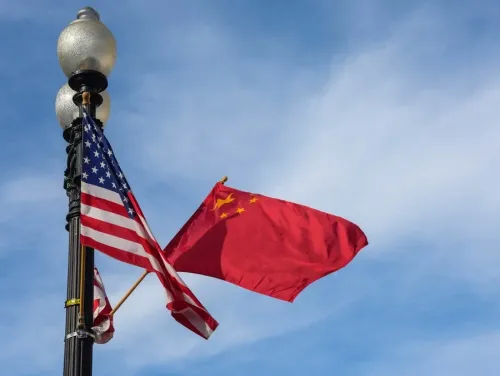
This comes amid sustained concern within the US defence establishment about the pace of China's naval expansion in the South China Sea and around Taiwan. The Iran conflict, which has absorbed carrier strike groups and munitions at scale, has intensified the debate over whether the US can sustain a two-theatre posture. The hearing exposed a widening rift between the administration's framing of the Iran campaign as a demonstration of strength and senior lawmakers' view that it is degrading the very readiness needed to deter Beijing. The next phase of this debate will likely play out in the National Defense Authorization Act deliberations, with pressure mounting on the Pentagon to show it can resource both theatres simultaneously.
Point of View
Supply shortages, and a carrier strike group with eight suicide attempts in a single deployment. For India, which anchors its own maritime security calculus on US Indo-Pacific commitment, this hearing should register as a material variable — a distracted, overstretched US Navy changes the deterrence arithmetic across the Indian Ocean and the South China Sea.
NationPress
18 Nov 2026
Frequently Asked Questions
What did US Navy Secretary Hung Cao admit about the Iran war?
Hung Cao admitted before the Senate Armed Services Committee on Tuesday that the Iran war is 'stressing our naval resources.' He acknowledged prolonged deployments, depleted munitions and deferred maintenance were placing strain on the Navy, while defending the campaign as a demonstration of US military capability.
How is the Iran war affecting US readiness against China?
Senators, led by Mazie Hirono, argued that the concentration of naval assets in the Middle East is diverting ships, munitions and strategic attention from the Indo-Pacific, where the US faces challenges from China and North Korea. Cao acknowledged the strain but said the combined performance of US forces had demonstrated capabilities that would give China pause.
What welfare concerns were raised about US sailors deployed to the Middle East?
Senator Mark Kelly cited eight suicide attempts aboard the USS Abraham Lincoln carrier strike group during a 321-day deployment, along with family reports of inadequate food, significant weight loss — including one crew member losing over 45 pounds in six months — and shortages of basic hygiene supplies. Cao disputed the food shortage characterisation but flagged the USS Gonzalez as having only about a week's supplies.
Who is Hung Cao and why is he in the news?
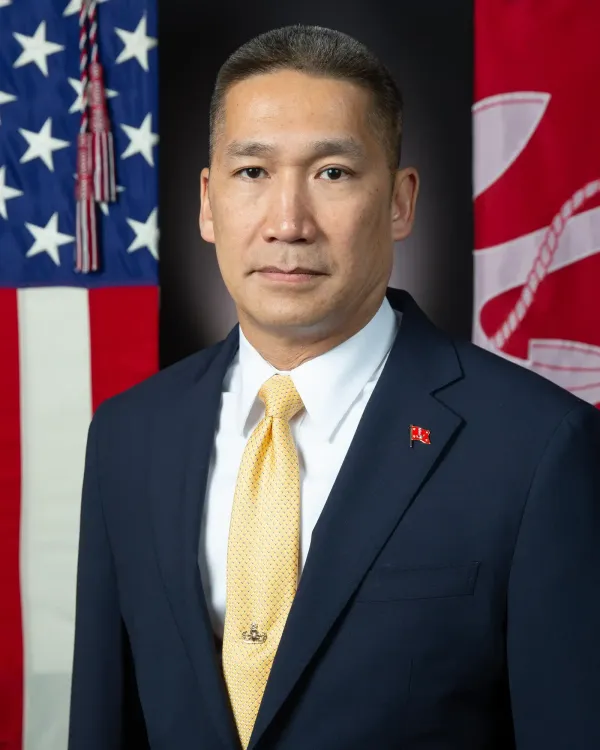
Hung Cao is the acting US Navy Secretary appearing before the Senate Armed Services Committee for his confirmation hearing to become the Navy's permanent secretary. His testimony on the Iran war's strain on naval resources and sailor welfare drew sharp questioning from Democratic senators on Tuesday.
Has Hung Cao briefed President Trump on the Navy's readiness concerns?
Cao confirmed he had raised the Navy's requirements with the Trump administration, providing options, mitigation plans and fallback arrangements. He stopped short of detailing any direct disagreements with the administration over strategic priorities in the Middle East.