Iran army chief Hatami warns enemy of 'severe blows' as war 'not over'
Synopsis
Iran's army chief publicly declared the war with the US and Israel 'not over' — and in the same window, Tehran's maritime authority threatened to blacklist ships using illegal Strait of Hormuz routes. With the June MoU's 60-day negotiation deadline already lapsed and no final deal in sight, Iran is signalling it retains both military and economic pressure levers simultaneously.
Key Takeaways
Iran's Army Chief Commander Amir Hatami said on 27 September 2026 that the war with the US and Israel is ‘not over’ and warned of further ‘crushing blows.’ Iran's Persian Gulf Strait Authority (PGSA) warned ship-owners against using ‘illegal routes’ through the Strait of Hormuz , threatening a Non-Compliance List .
The conflict escalated on 28 February when the US and Israel launched joint strikes on Tehran and other Iranian cities; Iran responded with missile and drone attacks.
A ceasefire MoU was signed on 18 June , giving both sides 60 days to reach a final deal — a deadline that passed on 17 August without a resolution.
The fate of US-Iran negotiations remains unclear amid a series of recent escalations.
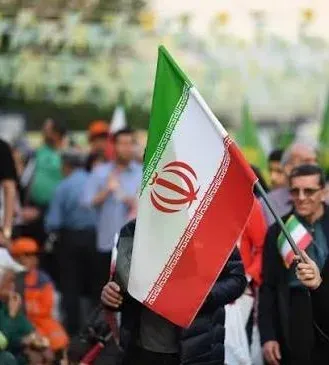
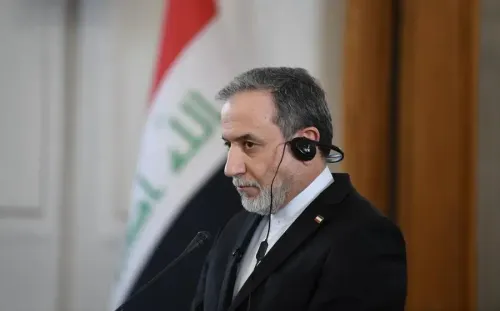
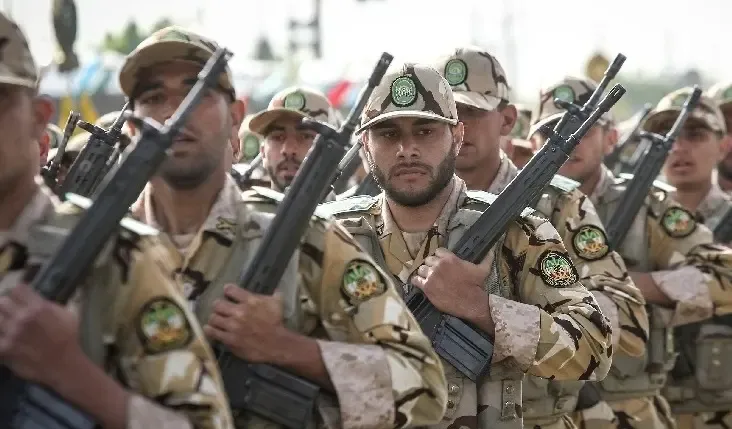
Chief Commander of Iran's Army Amir Hatami declared on Sunday, 27 September 2026, that the war imposed on Iran by the United States and Israel has not concluded, warning that the “enemy” must brace for further “crushing blows” from Iranian armed forces. His remarks came at a national festival in Tehran and signal that Iran views its conflict with Washington and Tel Aviv as an active, unresolved confrontation despite a June ceasefire framework.
What Hatami Said
“The war is not over … Although the aggressive enemy has suffered heavy blows, it must remain prepared to receive further crushing blows from Iran's armed forces,” Hatami said, according to the semi-official Tasnim news agency. He also urged regional nations to reject security partnerships with the United States, arguing that regional stability must be built from within by countries of the region itself — not guaranteed by external powers.
Strait of Hormuz Warning
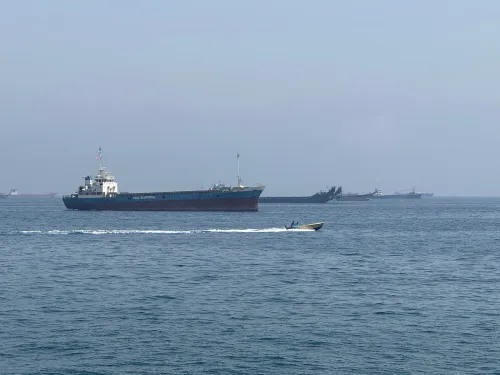
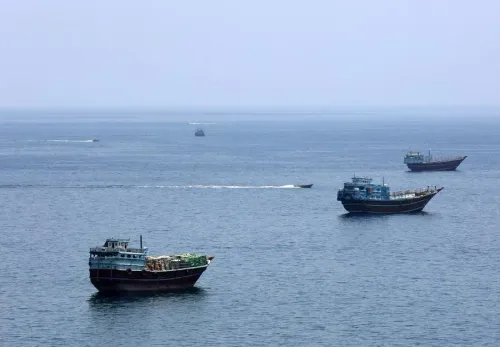
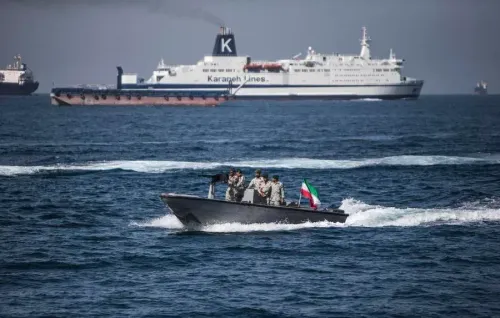
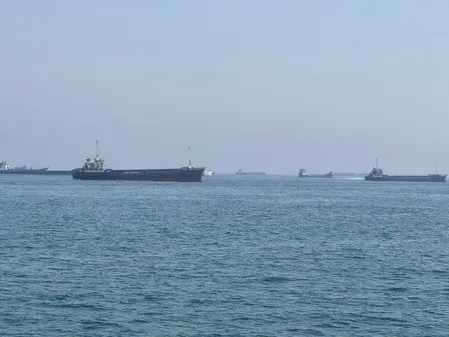
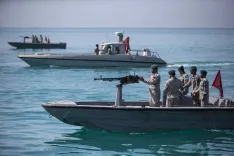
Adding a maritime dimension to the standoff, Iran's Persian Gulf Strait Authority (PGSA) — the body overseeing traffic through the Strait of Hormuz — issued a pointed warning to international ship-owners. In an early Sunday post on social media platform X, the PGSA said it had received reports of “some charterers” forcing vessels onto “illegal routes” through the strategically vital waterway.
“This risks financial and life losses for the vessel, owner, master, and crew, and seriously restricts its future Strait of Hormuz passage,” the authority said. It added that charterers found in violation would be placed on a Non-Compliance List, with all their vessels barred from future passage. The warning underscores Iran's continued leverage over one of the world's most critical oil-shipping lanes, through which an estimated 20% of global crude transits.
Background: From Joint Strikes to Shaky Ceasefire
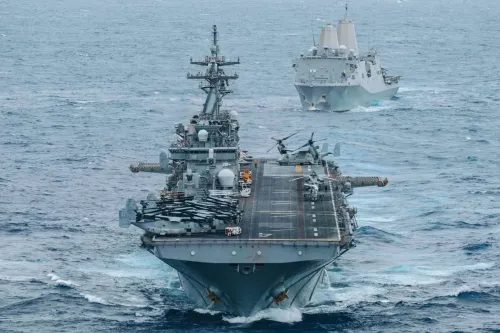
The roots of the current standoff trace to 28 February, when Israel and the United States launched coordinated strikes on Tehran and other Iranian cities. Iran retaliated with waves of missile and drone attacks targeting Israeli territory and US military bases and assets across the region, while simultaneously tightening its grip on the Strait of Hormuz.
A fragile de-escalation was reached on 18 June, when Washington and Tehran signed a memorandum of understanding (MoU) committing to negotiations. The two sides were given 60 days — a window that closed on 17 August — to reach a final settlement. The fate of those talks, however, remains unclear after a fresh round of escalations between the two countries.
Why This Matters
Hatami's remarks carry weight beyond rhetoric. As the uniformed commander of Iran's conventional military, his public statement at a national forum signals institutional resolve within Tehran's security establishment. Notably, the warning coincides with the PGSA's maritime alert, suggesting a coordinated hardening of Iran's posture across both land-based and naval theatres. The combined signals — a top military commander's threat and a strait-access warning — could rattle energy markets and shipping insurance rates if the diplomatic impasse persists.
What Happens Next
With the 60-day MoU negotiation window already lapsed and no confirmed resumption of talks, observers are watching for whether Washington or Tehran will make the next diplomatic move. The Strait of Hormuz's status as a chokepoint for global oil trade means any further restriction of passage would have immediate consequences for crude prices and regional stability. The coming weeks are likely to test whether the June MoU still holds any practical force.
Point of View
Calibrated to show that Iran's military establishment has not stood down despite the June MoU. The simultaneous PGSA maritime warning suggests Tehran is coordinating pressure across multiple domains rather than relying on battlefield rhetoric alone. Crucially, the 60-day negotiation window expired on 17 August with no confirmed outcome, meaning the MoU now functions as political cover rather than an operational framework. If Washington does not re-engage diplomatically, Iran's posture — military threats plus strait-access leverage — risks becoming self-fulfilling, pushing both sides back toward open confrontation.
NationPress
27 Sept 2026
Frequently Asked Questions
What did Iran's army chief Amir Hatami say on 27 September 2026?
Hatami declared at a national festival in Tehran that the war imposed by the US and Israel on Iran is 'not over' and warned that the enemy must remain prepared for 'further crushing blows' from Iran's armed forces. His remarks were reported by the semi-official Tasnim news agency.
What is the Strait of Hormuz warning issued by Iran?
Iran's Persian Gulf Strait Authority (PGSA) warned ship-owners that some charterers are forcing vessels onto illegal routes through the Strait of Hormuz. Violating charterers face being added to a Non-Compliance List, with all their vessels barred from future passage through the waterway.
What is the current status of the Iran-US ceasefire deal?
A memorandum of understanding (MoU) was signed on 18 June between the US and Iran, giving both sides 60 days to negotiate a final settlement. That deadline passed on 17 August without a confirmed agreement, and the talks' status remains unclear following fresh escalations.
How did the Iran-US-Israel conflict begin?
The conflict escalated sharply on 28 February when Israel and the United States launched joint strikes on Tehran and other Iranian cities. Iran retaliated with waves of missile and drone attacks targeting Israeli territory and US military assets across the region, and tightened control over the Strait of Hormuz.
Why does the Strait of Hormuz matter in this conflict?
The Strait of Hormuz is one of the world's most critical maritime chokepoints, through which an estimated 20% of global crude oil transits. Iran's ability to restrict passage gives it significant economic leverage, making any escalation there a direct threat to global energy supply and shipping costs.