Iran's defence production doubles in 12 months amid ongoing regional tensions
Synopsis
Iran's defence output has doubled in 12 months — and tripled for certain strategic weapons — even after Israeli strikes hit parts of its military industry. With the US-Iran MoU deadline now missed and no final deal in sight, Tehran's production surge signals it is betting on military self-reliance over diplomacy, while Egypt scrambles to keep talks alive.
Key Takeaways
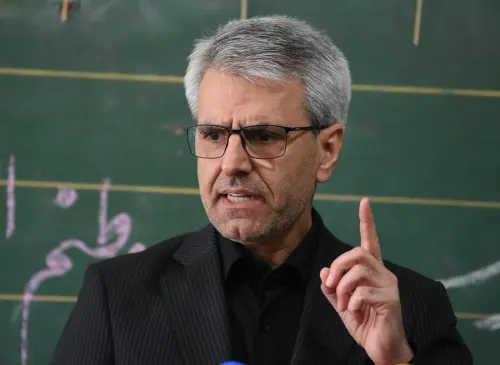
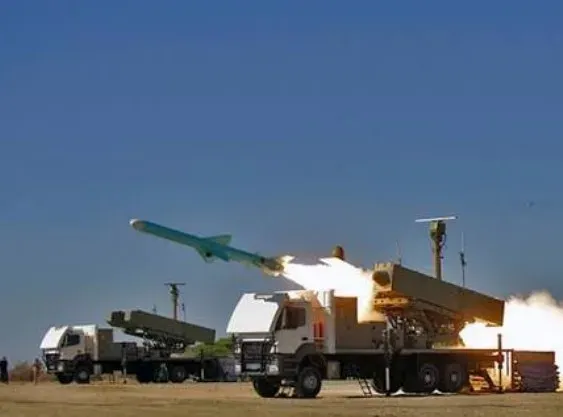
Iran's overall weaponry and defence production has doubled over the past 12 months , according to Defence Ministry spokesman Reza Talaei-Nik .
Production of certain strategic military items has increased more than threefold since the war began in late February .
A ceasefire between Iran and Israel took effect on 8 April ; a US-Iran MoU was signed on 18 June .
The 60-day negotiation deadline under the MoU expired on 17 August without a final agreement.
Egyptian Foreign Minister Badr Abdelatty and Iranian FM Seyed Abbas Araghchi held talks on Saturday to explore a diplomatic path forward.
Iran's weaponry and defence equipment production has doubled over the past 12 months, a senior Iranian official confirmed in remarks broadcast on state television on Friday evening. The disclosure comes as diplomatic efforts to stabilise the region remain stalled following a failed negotiation deadline.
What the Official Said
Iranian Defence Ministry spokesman Reza Talaei-Nik told state-run IRIB TV that since the start of the war in late February, production of certain strategic military products and equipment had increased more than threefold. He described the overall defence output as having doubled across the board over the same period.
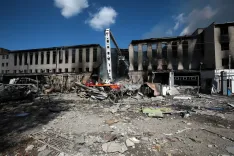
Talaei-Nik acknowledged that limited sections of Iran's defence industry were targeted during the 12-day war with Israel in June of last year, but said the damage had not derailed the production surge. 'Becoming stronger is the only way to counter foreign powers seeking to attack Iran's independence,' he said.
Background: The War and the Ceasefire
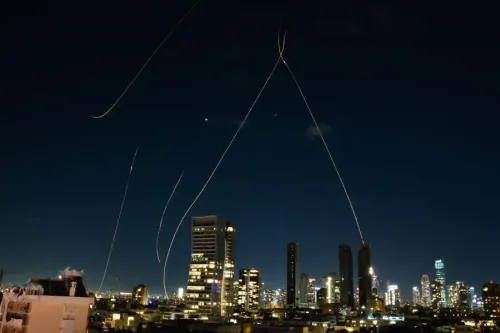
On 28 February, Israel and the United States launched joint attacks on Tehran and other Iranian cities, reportedly killing then-Supreme Leader Ali Khamenei, military commanders, and civilians. Iran responded with waves of missile and drone strikes targeting Israeli territory as well as US bases and assets across the region.
A ceasefire was reached between the parties on 8 April. Subsequently, on 18 June, Iran and the United States signed a memorandum of understanding (MoU) committing to end the war across all fronts, including Lebanon.
Stalled Negotiations
Under the terms of the MoU, the two countries were required to conclude negotiations within 60 days — a deadline that fell on 17 August. However, the two sides reportedly failed to make sufficient progress toward a final agreement, with tensions continuing to escalate beyond the deadline.
Notably, this marks the second time in recent years that a US-Iran diplomatic framework has collapsed at the implementation stage, raising questions about whether either side has the political will to sustain a durable settlement.
Egypt Steps In as Diplomatic Broker
On Saturday, Egyptian Foreign Minister Badr Abdelatty held a phone call with his Iranian counterpart Seyed Abbas Araghchi to discuss the latest regional developments and efforts to revive diplomacy. According to a statement from the Egyptian Foreign Ministry, the two ministers explored conditions for a return to negotiations, including the implementation of the 18 June MoU.
Abdelatty stressed the need to intensify diplomatic efforts to ease current escalations and reach peaceful understandings that would restore security and stability in the region. He also underscored the importance of ensuring the freedom and safety of international navigation and respecting the security and stability of Gulf states.
Araghchi, for his part, briefed Abdelatty on Iran's assessment of recent developments, the course of negotiations, and the challenges impeding progress, according to the Egyptian statement.
What Comes Next
With the 60-day negotiation window now closed and no final agreement in place, the trajectory of the US-Iran standoff remains uncertain. Iran's declared production surge signals that Tehran is preparing for a prolonged period of strategic self-reliance, even as regional powers like Egypt push for a diplomatic off-ramp.
Point of View
And it raises the risk of a return to open conflict. Egypt's intervention is welcome but structurally limited — Cairo has leverage with neither side on the core issues of nuclear posture and regional proxy networks that are blocking a final deal.
NationPress
7 Oct 2026
Frequently Asked Questions
How much has Iran's defence production increased in the past year?
Iran's overall weaponry and defence equipment production has doubled over the past 12 months, according to Defence Ministry spokesman Reza Talaei-Nik. He added that production of certain strategic military products had increased more than threefold since the war began in late February.
What is the US-Iran MoU signed on 18 June?
The memorandum of understanding signed on 18 June between the United States and Iran committed both countries to ending the war across all fronts, including Lebanon. Under its terms, the two sides were required to hold negotiations within 60 days — a deadline that fell on 17 August — to reach a final agreement.
Did the US-Iran negotiations succeed before the August deadline?
No. The two sides reportedly failed to make sufficient progress toward a final deal before the 17 August deadline, with tensions continuing to escalate. No extension or revised framework has been publicly announced.
What role is Egypt playing in the Iran situation?
Egyptian Foreign Minister Badr Abdelatty spoke with Iranian FM Seyed Abbas Araghchi on Saturday to discuss regional developments and diplomatic efforts to de-escalate tensions. Egypt is pushing for conditions that would allow a return to negotiations and implementation of the 18 June MoU.
Was Iran's defence industry damaged during the war with Israel?
Yes, but only partially. Spokesman Reza Talaei-Nik acknowledged that limited sections of Iran's defence industry were targeted during the 12-day war with Israel in June of last year. He said the damage did not prevent the overall doubling of production.