Iran's Hormuz bill ready to block US, Israel ships as clashes escalate
Synopsis
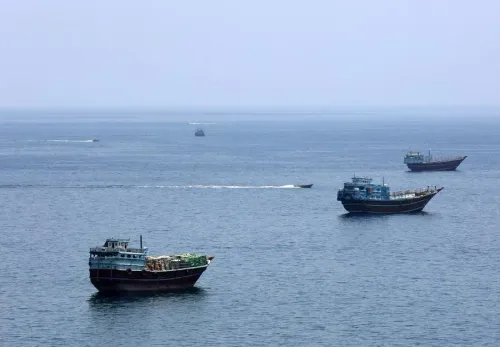
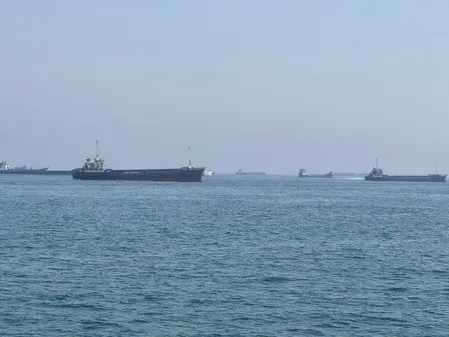
Iran's parliament has a bill ready to legally block US and Israeli vessels from the Strait of Hormuz — and reports of actual naval clashes with US destroyers on Thursday and Friday suggest Tehran may not wait for legislation to act. With roughly 20% of global oil trade passing through the strait, the stakes could not be higher.
Key Takeaways
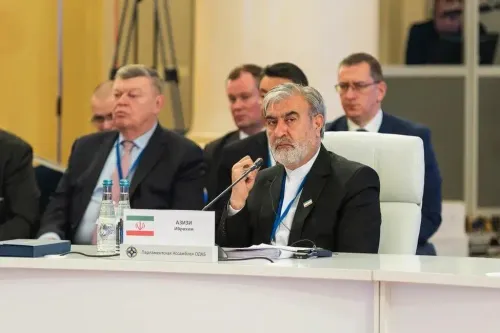
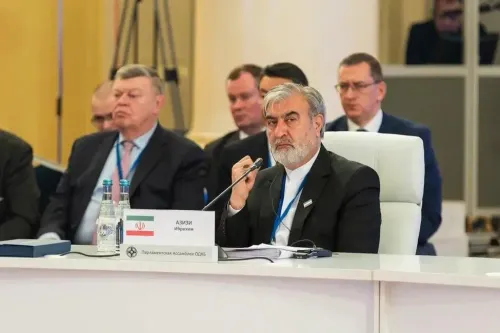
Ebrahim Azizi , Chairman of Iran's parliament national security committee, confirmed a Strait of Hormuz legal regime bill is ready to be passed as a "deterrent law" .
The bill would block US and Israeli vessels from the strait and impose tolls on ships deemed non-hostile.
Iranian lawmaker Ali Khezrian said Iran's military targeted US destroyers on Thursday night after Iranian ships were allegedly harassed by the US Navy .
Iran's semi-official Fars news agency reported "sporadic clashes" between Iranian and US forces in the strait on Friday .
The Strait of Hormuz carries approximately 20% of global oil trade, making any restriction a major risk for energy markets.
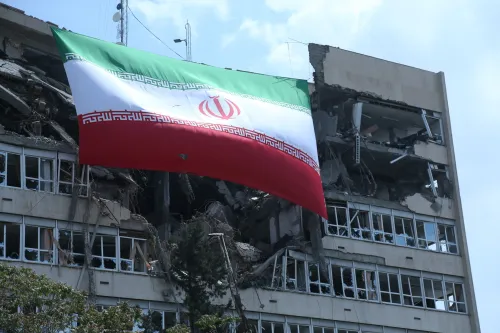
A senior Iranian lawmaker has confirmed that a parliamentary bill establishing the legal regime of the Strait of Hormuz is ready and will be passed as a "deterrent law" once the legislature resumes operations, amid reported clashes between Iranian and US naval forces in and around the strategic waterway. The announcement, made in Tehran on 9 May, signals a sharp escalation in Iran's posture over one of the world's most critical maritime chokepoints.
What the Bill Proposes
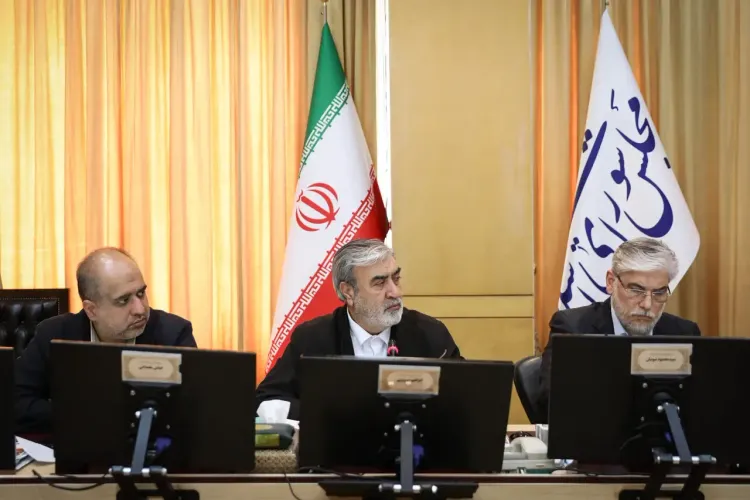
Ebrahim Azizi, Chairman of the Iranian parliament's national security and foreign policy committee, made the remarks on the sidelines of a commemoration ceremony in Tehran. He confirmed the bill has been discussed in a series of meetings with relevant authorities, including the Foreign Ministry and Iran's Ports and Maritime Organisation.
The proposed legislation, if passed, would block vessels tied to Israel and the United States from transiting the Strait of Hormuz and impose tolls on other ships deemed non-hostile. The bill is framed as a sovereign deterrent rather than an act of aggression, according to the lawmakers who have championed it.
Clashes in the Strait of Hormuz
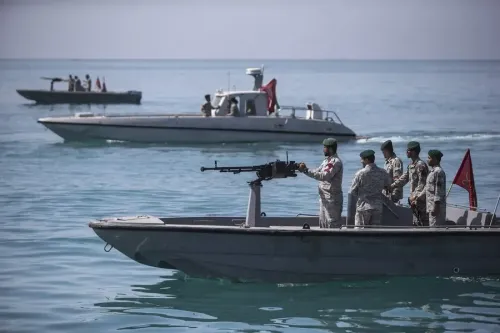
Ali Khezrian, a member of the Iranian parliament's national security and foreign policy committee, addressed the reported clashes between Iran and the United States in and around the Strait of Hormuz on Thursday and Friday in an interview with state-run IRIB TV.
"No one will be able to take military action against Iranian vessels any longer without facing a response," Khezrian said, adding that the Iranian military reportedly responded on Thursday night by targeting US destroyers after Iranian ships were allegedly harassed by the US Navy and US Central Command during a ceasefire period.
Iran's semi-official Fars news agency reported "sporadic clashes" between Iranian armed forces and US vessels in the Strait of Hormuz on Friday. These claims have not been independently verified.
Iran's Position on Regional Security
Azizi stressed that Iran has consistently sought to ensure safe and free navigation in the Strait of Hormuz, arguing that US military presence and Israel's "adventurism" are the primary drivers of insecurity and instability in the Gulf and the strait. Khezrian added that Iran will henceforth safeguard its sovereignty over both territorial and extraterritorial waters to protect its ships.
This comes amid heightened regional tensions, with the Strait of Hormuz — through which roughly 20% of global oil trade passes — increasingly becoming a flashpoint between Tehran, Washington, and Tel Aviv. Notably, this is not the first time Iran has threatened to restrict passage through the strait; similar warnings were issued during periods of maximum US sanctions pressure between 2018 and 2020.
What Happens Next
The bill's passage remains contingent on the Iranian parliament resuming full operations. Should it be enacted, it would represent one of the most consequential unilateral assertions of maritime jurisdiction in the region in decades, with significant implications for global energy markets and US naval operations in the Persian Gulf. International observers and energy markets will be watching closely for any formal vote date or further naval incidents.
Point of View
Interagency consultations with the Foreign Ministry and Ports Organisation, and lawmakers speaking publicly about targeting US destroyers. If even a fraction of the naval incident claims are accurate, the region is closer to a direct Iran-US confrontation than at any point since the killing of General Qasem Soleimani in 2020. Energy markets and the US Fifth Fleet will both be recalibrating risk.
NationPress
23 Sept 2026
Frequently Asked Questions
What is Iran's Strait of Hormuz bill?
It is a parliamentary bill that would establish a legal regime for the Strait of Hormuz, blocking vessels linked to the United States and Israel from transiting the waterway and imposing tolls on ships deemed non-hostile. The bill is reportedly ready and awaiting the legislature's resumption of operations.
Who announced the bill and when?
Ebrahim Azizi, Chairman of the Iranian parliament's national security and foreign policy committee, confirmed the bill's readiness on 9 May in Tehran. He said it has been discussed with the Foreign Ministry and Iran's Ports and Maritime Organisation.
What clashes occurred between Iran and the US in the Strait of Hormuz?
Iranian lawmaker Ali Khezrian said Iran's military targeted US destroyers on Thursday night after Iranian ships were allegedly harassed by the US Navy and US Central Command during a ceasefire. Iran's semi-official Fars news agency separately reported sporadic clashes between Iranian armed forces and US vessels on Friday; these claims have not been independently verified.
Why is the Strait of Hormuz strategically important?
The Strait of Hormuz is one of the world's most critical maritime chokepoints, through which roughly 20% of global oil trade passes. Any restriction or military confrontation there could have immediate consequences for global energy prices and regional stability.
Has Iran threatened to block the Strait of Hormuz before?
Yes. Iran has periodically threatened to restrict passage through the Strait of Hormuz, with notable warnings issued during periods of peak US sanctions pressure between 2018 and 2020. However, the current situation is notable for the combination of a committee-cleared legislative bill and reported live naval exchanges.