Iran-US peace MoU serves Tehran's interests, says President Pezeshkian
Synopsis
Iran's president is publicly backing a peace MoU with Washington — even as the 60-day negotiation deadline has already lapsed without a final deal. With the IRGC announcing fresh counter-terrorism strikes and Tehran's foreign minister warning of energy market manipulation, the gap between diplomatic rhetoric and ground reality is widening fast.
Key Takeaways
President Masoud Pezeshkian declared on 30 August that the Iran-US peace MoU is in the interests of Iran, West Asia, and the world.
He warned that the MoU's implementation would prevent the US and Israel from causing 'chaos, aggression and insecurity' in the region.
Foreign Minister Seyed Abbas Araghchi alleged 'major' efforts to manipulate global energy markets and prolong the conflict.
The IRGC reported killing one and arresting six members of an alleged US-Israel-linked cell in Sistan and Baluchestan .
The MoU was signed on 18 June ; the 60-day negotiation window expired on 17 August without a final agreement.
The conflict's origins trace to joint US-Israeli strikes on Tehran on 28 February , followed by Iranian missile and drone retaliation.
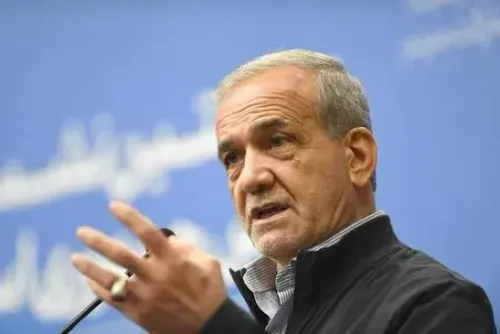
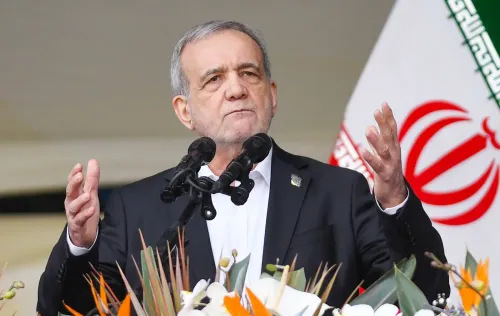
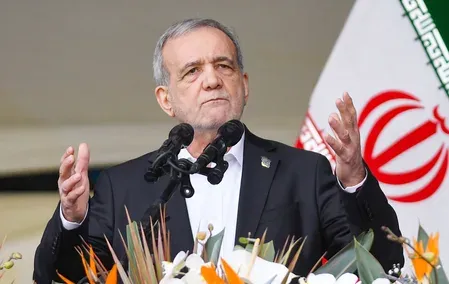
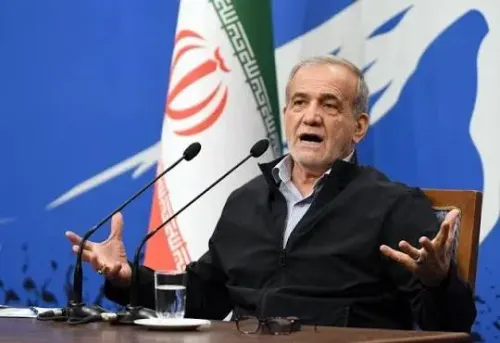
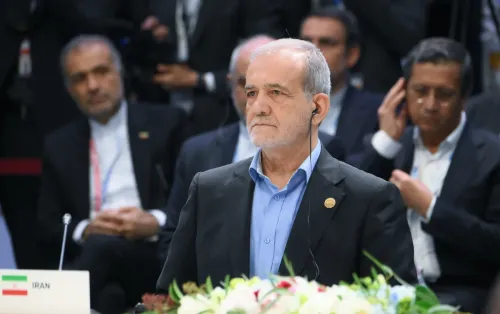
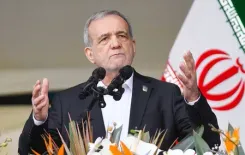
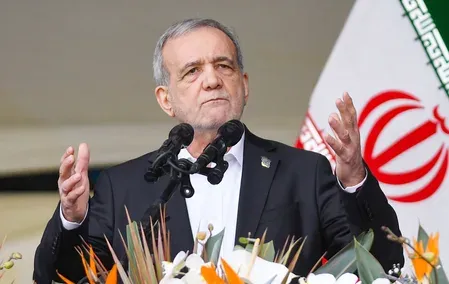
Iranian President Masoud Pezeshkian on 30 August declared that the peace memorandum of understanding (MoU) signed between Iran and the United States is in the interests of Iran, West Asia, and the broader world. Speaking at a ceremony in the Iranian capital Tehran, Pezeshkian said the agreement, if implemented, would prevent Washington and Tel Aviv from stoking regional instability.
What Pezeshkian Said
Addressing the gathering, President Pezeshkian stressed that with the MoU's implementation, 'the United States and Israel will not be able to cause chaos, aggression and insecurity in the region,' according to a statement published on his office's official website. He added that regional states would then be free to 'pursue the path of stability and development.'
Pezeshkian also underscored the need to counter what he described as 'enemies' sinister plots' by fostering unity and solidarity among Muslim-majority nations. On Iran's broader posture, he was unequivocal: 'We do not welcome war, but will stand strongly against any aggressor, and no power can force a nation that is standing with all its might and will into surrender.'
Foreign Minister's Warning on Energy Markets
Also on Saturday, Iranian Foreign Minister Seyed Abbas Araghchi issued a warning via a social media post, alleging that 'major' efforts were under way to manipulate global energy markets for personal gain and to prolong what he characterised as the US war against Iran. The statement added a diplomatic edge to an already tense week for the region.
IRGC Claims Strike on 'Terrorist' Cell
Separately, Iran's Islamic Revolution Guard Corps (IRGC) announced on the same day that the country's security forces had dealt a 'decisive' blow to a 'terrorist' team it said was affiliated with the United States and Israel in the southeastern province of Sistan and Baluchestan. According to the IRGC, one member of the group was killed and six others were arrested.
Background: From Conflict to MoU
The MoU's origins lie in a sharp military escalation earlier this year. On 28 February, Israel and the United States launched joint attacks on Tehran and other Iranian cities, according to reports. Iran responded with waves of missile and drone strikes targeting Israel and US bases and assets across the region, while simultaneously tightening its grip on the strategically vital Strait of Hormuz.
On 18 June, the two sides signed the MoU on ending hostilities across all fronts. The agreement envisaged formal negotiations within a 60-day window — a period that expired on 17 August — to produce a final, binding agreement. However, the fate of those talks remains unclear following a fresh escalation between the two countries last month, raising questions about whether the diplomatic track can hold.
What Comes Next
With the negotiation deadline already passed and tensions persisting on multiple fronts — from energy market warnings to counter-terrorism operations in Sistan and Baluchestan — the durability of the Iran-US MoU faces its most serious test yet. Regional observers will be watching whether both sides return to the table or allow the agreement to quietly unravel.
Point of View
The cost of a collapsed MoU is not abstract — it is priced into every oil futures contract.
NationPress
30 Aug 2026
Frequently Asked Questions
What is the Iran-US peace MoU?
The Iran-US peace MoU is a memorandum of understanding signed on 18 June, aimed at ending hostilities between the two countries on all fronts. It called for formal negotiations within 60 days to produce a final binding agreement, but that deadline passed on 17 August without a conclusive deal.
What did President Pezeshkian say about the MoU?
President Masoud Pezeshkian said the MoU is in the interests of Iran, West Asia, and the world. He stated that its implementation would prevent the US and Israel from causing chaos and insecurity in the region, allowing neighbouring states to focus on stability and development.
What triggered the Iran-US conflict that led to the MoU?
On 28 February, the United States and Israel launched joint strikes on Tehran and other Iranian cities, according to reports. Iran responded with missile and drone attacks on Israeli and US targets in the region and tightened control over the Strait of Hormuz, before both sides eventually signed the MoU on 18 June.
What did Iran's IRGC announce on 30 August?
The Islamic Revolution Guard Corps announced it had dealt a 'decisive' blow to a 'terrorist' cell it claimed was affiliated with the US and Israel in southeastern Sistan and Baluchestan province, killing one member and arresting six others.
Why is the MoU's future uncertain?
The 60-day negotiation window mandated by the MoU expired on 17 August without a final agreement, and a fresh escalation between the two sides last month has further clouded the diplomatic outlook. Iran's foreign minister also warned of efforts to manipulate energy markets and prolong the conflict, suggesting significant mistrust remains.