ISI's New Strategy: Empowering Khalistani Terror Groups for Attacks in North India
Synopsis
The ISI is escalating its support for Khalistani terror factions, aiming to execute significant attacks in Punjab and Delhi. This strategy comes in response to the effective counterterrorism measures implemented by the Indian government.
Key Takeaways
ISI is boosting Khalistani terror factions.
Target areas include Punjab and Delhi.
Prahaar strategy has reduced terror incidents.
Increased arms smuggling and reconnaissance activities reported.
NIA is investigating major plots involving these groups.
New Delhi, April 6 (NationPress) The ISI is currently executing a well-planned strategy to momentarily silence factions like Lashkar-e-Taiba while intensifying support for Khalistani terror groups, specifically targeting Punjab and Delhi, according to an official.
Pakistan is engaged on several fronts and is keen to utilize groups like Lashkar-e-Taiba to combat the Tehreek-e-Taliban Pakistan (TTP) and Balochistan Liberation Army (BLA).
An official from the Intelligence Bureau has revealed that the ISI has reactivated its networks globally. These operatives have been directed to escalate arms smuggling into India for potential attacks.
Recent communications intercepted by intelligence agencies indicate a surge in activity among arms traffickers, particularly those linked to Khalistan-aligned gangsters.
Another intelligence source disclosed that the ISI is eager to facilitate substantial arms and ammunition smuggling into India to enable these attacks. Khalistani terror factions have notably ramped up their operations, prompting investigations by multiple agencies.
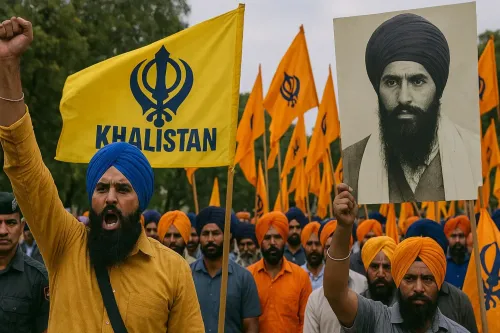
The National Investigation Agency (NIA) has uncovered a significant conspiracy aimed at orchestrating attacks in Punjab and Delhi. According to one official, the assaults in Punjab are intended to rejuvenate the Khalistan movement, while the attack in Delhi aims to deliver a forceful message to the Central Government, which has effectively restrained the movement.
There is a palpable sense of urgency among these ISI-backed terror organizations. Although Operation Sindoor has severely weakened terror infrastructure in Pakistan, the newly adopted national counterterrorism strategy known as ‘Prahaar’ has significantly hindered these ISI-backed factions.
Another official praised the success of the Prahaar initiative by the Union Government, noting a drastic reduction in terror attacks, arms smuggling, and other anti-national activities across the nation. The ISI's response is to provoke Khalistani terror factions to undertake major operations within the country. These groups are reportedly conducting reconnaissance at vital locations in Punjab and Delhi to plan substantial attacks.
Data from the Ministry of Home Affairs (MHA) indicates that from 2004 to 2014, India experienced 7,217 terror incidents. However, due to the zero-tolerance stance against terrorism adopted by the Narendra Modi administration, this figure plummeted to 2,242 incidents between 2014 and 2024. While left-wing extremism has been nearly eradicated, incidents of terror in Jammu and Kashmir and the northeastern states have also significantly declined, according to MHA data.
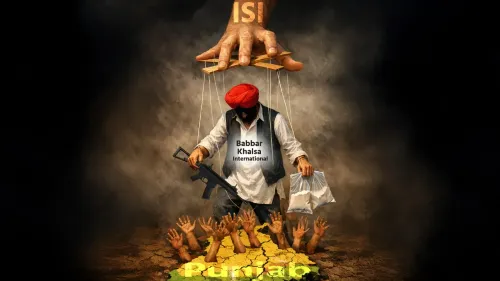
With challenges in infiltrating Jammu and Kashmir and northeastern regions, these groups are now seeking alternative locations for potential attacks. Officials suggest that the ISI has ambitious plans to leverage Khalistani terror factions, such as Babbar Khalsa International (BKI), for strikes across northern India, initially targeting Punjab and New Delhi, followed by Uttar Pradesh, Rajasthan, and Bihar, as per intelligence reports.
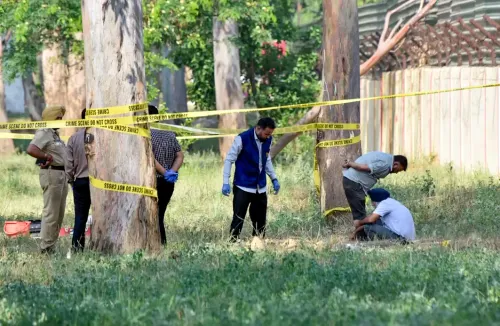
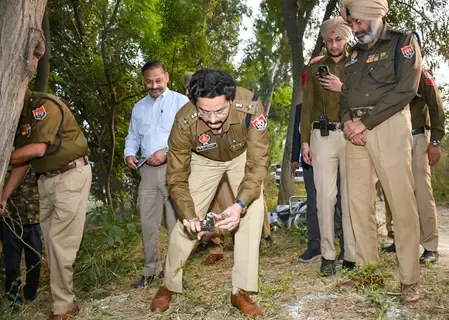
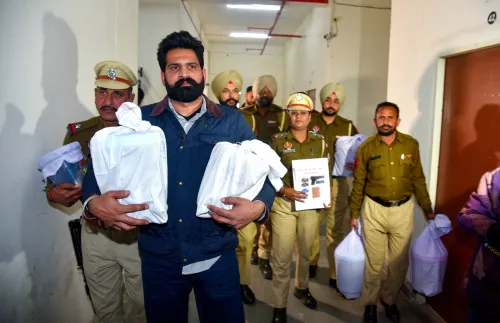
The ongoing investigation by the NIA is currently focused on Shubham Kumar from Uttar Pradesh, who was apprehended by the State Special Operations Cell in Amritsar. Authorities recovered an IED concealed in a metallic case with a remote control, alongside a foreign-made pistol and ammunition, which had been delivered from across the border via drone.
This operation is reportedly managed by one Jasvir Singh, who facilitated the consignment from Pakistan. Investigators have indicated that Singh, whose true identity remains unverified, was orchestrating a significant attack involving Khalistani-supported terror factions across various regions in North India, including Punjab and Delhi.
Point of View
The rise of Khalistani terror groups, backed by the ISI, presents a serious challenge for India. The government's counterterrorism strategies have so far shown effectiveness, but vigilance and adaptability will be crucial in addressing this evolving threat.
NationPress
16 Sept 2026
Frequently Asked Questions
What is the ISI's current strategy regarding Khalistani groups?
The ISI is focusing on empowering Khalistani terror factions while keeping other outfits like Lashkar-e-Taiba subdued, with the aim of executing attacks in Punjab and Delhi.
What impact has the Prahaar strategy had on terrorism in India?
The Prahaar strategy has significantly reduced the number of terror incidents in India, showcasing the government's commitment to a zero-tolerance policy against terrorism.
What recent activities have been observed among Khalistani groups?
Recent intelligence reports indicate increased reconnaissance and arms smuggling activities among Khalistani factions, suggesting preparations for potential attacks.
What are the implications of the ISI's actions for India?
The ISI's support for Khalistani groups could lead to heightened security risks in northern India, necessitating robust countermeasures from Indian authorities.
Who is overseeing the current investigations into these groups?
The National Investigation Agency (NIA) is leading investigations into the activities of Khalistani terror factions and their connections to the ISI.