PoJK unrest: Pakistan using military force, political curbs to suppress Kashmiris
Synopsis
For the fourth consecutive year, Pakistan-occupied Jammu and Kashmir is ablaze — and this time the death toll has reportedly crossed 50. With Defence Minister Khawaja Asif calling protesters 'enemies' and the JKJAAC formally declaring a humanitarian emergency in Rawalakot, Islamabad's colonial grip on the territory has rarely been more nakedly visible.
Key Takeaways
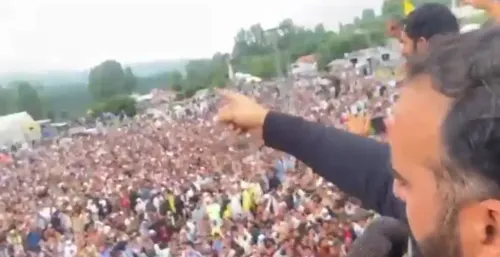
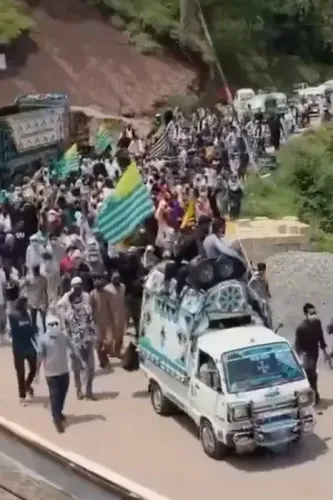
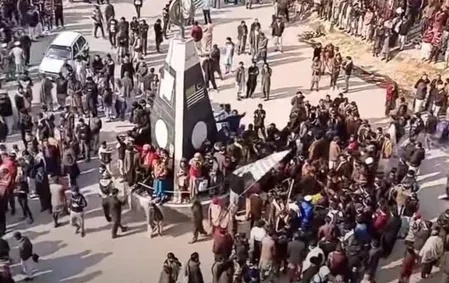
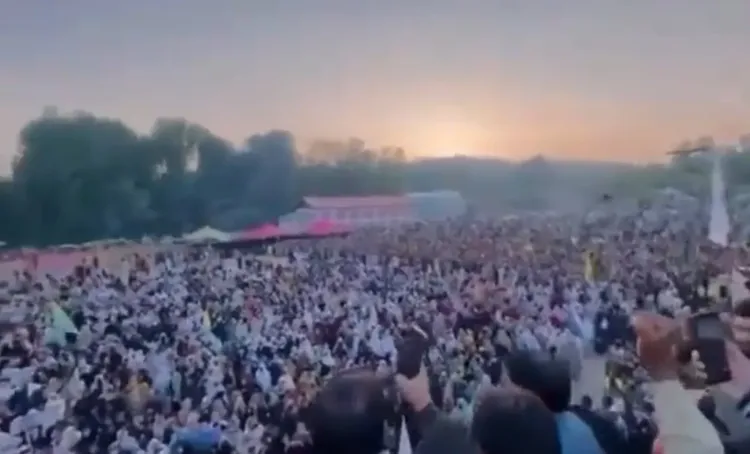
Protests in PoJK reportedly began on 5 June and have intensified, with protesters alleging more than 50 people killed and hundreds injured by Pakistani security forces.
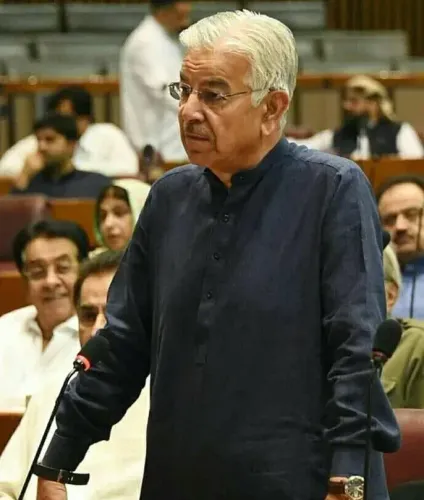
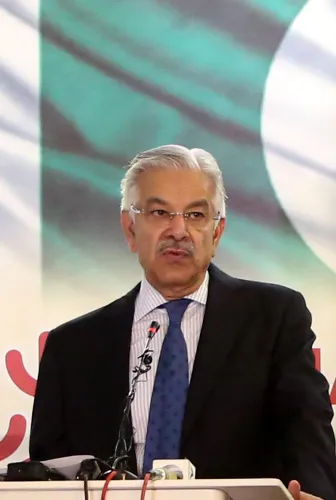
Pakistan's Defence Minister Khawaja Asif reportedly labelled PoJK protesters 'enemies,' equating them with India — a remark analysts say reflects Islamabad's colonial attitude toward the territory.
The JKJAAC , formed in 2023 , has been proscribed under Pakistan's anti-terrorism laws despite raising civic demands including subsidised wheat and reduced electricity tariffs based on Mangla Dam production costs.
Violence that escalated on 27–28 July has created a 'serious humanitarian and medical emergency' in Rawalakot , according to a formal JKJAAC letter to the Pakistan Red Crescent Society .
The current unrest is the fourth consecutive year of major protests over the same unresolved economic and governance grievances, with promises made in 2023 remaining unfulfilled.
Pakistan-occupied Jammu and Kashmir (PoJK) is witnessing its most intense confrontation between residents and the Pakistani state in decades, with protesters alleging that security forces have killed more than 50 people and injured hundreds since demonstrations intensified from June 5 onwards. The crisis has drawn sharp criticism of Islamabad's governance model in the territory, with analysts describing it as colonial subjugation dressed up in the language of autonomy.
How the Protests Began
Discontent in PoJK has been building for years. Transporters, lawyers, students, and civic groups coalesced in 2023 to form the Jammu and Kashmir Joint Awami Action Committee (JKJAAC), after decades of political indifference and institutional neglect. The coalition quickly gained popular support by raising demands for basic economic relief and governance accountability.
On the economic front, JKJAAC demanded reduced power tariffs calculated on the actual production cost of electricity generated from the local Mangla Dam, and the supply of wheat at subsidised prices. On governance, protesters called for an end to perks enjoyed by politicians and bureaucrats, and the abolition of 12 reserved seats in the PoJK legislative assembly allocated to refugees from Jammu and Kashmir — seats that, according to the committee, were being exploited by ruling parties to engineer artificial legislative majorities.
Protests erupted again in 2023 over steep hikes in flour prices and electricity tariffs. The PoJK government agreed at the time to enforce subsidies on flour and freeze electricity charges. However, those commitments were not honoured, triggering fresh waves of unrest in 2024, 2025, and the current ongoing agitation — a pattern that critics say reflects a complete failure of governance.
State Response: Force, Bans, and Denial
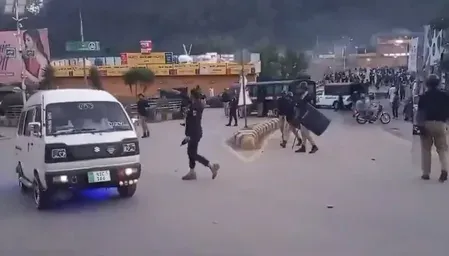
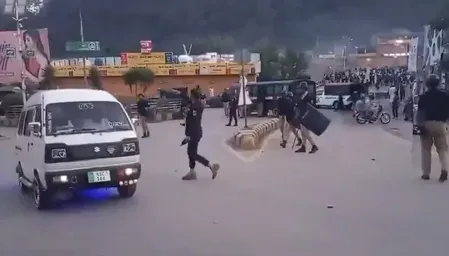
Pakistani authorities have responded with what protesters describe as a severe crackdown. Despite the use of force, demonstrations have not been suppressed. The government subsequently proscribed the JKJAAC under anti-terrorism legislation — a move widely condemned as an attempt to criminalise legitimate civic dissent.
Pakistan's Defence Minister Khawaja Asif drew particular criticism after he reportedly equated PoJK protesters with India and labelled them 'enemies' of the state. Analysts say the remark lays bare Islamabad's view of the territory: not as an autonomous region whose people have rights, but as a colony whose dissent must be neutralised. According to a report in Eurasia Review, the situation amounts to 'Islamabad subjugating Kashmiris of PoJK through constitutional restrictions, political manipulation as well as military oppression, ironically proclaiming that they are azad (independent/free).'
The same report noted that 'indiscriminate firing on peaceful protesters proves lives of PoJK residents don't matter,' and criticised what it described as the 'abject apathy of the international community on these killings.'
Humanitarian Emergency in Rawalakot
The violence that reportedly escalated sharply on 27–28 July has created what the JKJAAC has described in a formal letter as a 'serious humanitarian and medical emergency.' The committee has written to the Pakistan Red Crescent Society requesting urgent intervention in Rawalakot and other affected areas of the territory.
The letter cited reports of civilian casualties, firearm-related injuries, disrupted ambulance routes, restricted hospital access, and acute shortages of medicines, blood supplies, and emergency trauma care. JKJAAC urged the Red Crescent to deploy an independent emergency assessment and medical team, provide mobile medical units and trained first-aid personnel, and establish temporary treatment points along affected routes and near major gathering areas.
The Broader Pattern
The Eurasia Review report also referenced Pakistan Army Chief General Asim Munir, stating that 'this crisis is the consequence of his own obdurate mindset.' The commentary reflects a growing body of analysis that links the PoJK unrest directly to decisions made at the highest levels of Pakistan's military establishment.
Notably, this is not an isolated episode — it is the fourth consecutive year in which major protests have erupted in PoJK over the same unresolved economic and governance grievances. The persistence of the unrest, and the escalating severity of the state's response, suggests that neither the local PoJK administration nor the federal government in Islamabad has moved to address root causes. With the JKJAAC's humanitarian appeal now on record and the international community yet to respond meaningfully, the situation in PoJK is likely to remain volatile.
Point of View
Anti-terrorism bans on civic committees, and live fire on demonstrators already made clear: Islamabad treats PoJK as a security problem to be managed, not a population with rights to be served. The four-year cycle of protests over the same unresolved demands — flour, electricity, governance — indicts not just the local administration but the federal military establishment that ultimately controls the territory. The international community's silence, flagged explicitly in the Eurasia Review report, is itself a geopolitical choice with consequences for how Pakistan calculates the cost of continued repression.
NationPress
4 Aug 2026
Frequently Asked Questions
Why are people protesting in Pakistan-occupied Jammu and Kashmir (PoJK)?
Residents of PoJK have been protesting over unresolved economic and governance grievances, including demands for subsidised wheat, reduced electricity tariffs based on Mangla Dam production costs, and an end to politicians' perks. The Jammu and Kashmir Joint Awami Action Committee (JKJAAC), formed in 2023, has led the movement after decades of institutional neglect. Promises made by the PoJK government in 2023 were not honoured, triggering fresh unrest in 2024, 2025, and the ongoing agitation.
How many people have been killed in the PoJK crackdown?
Protesters allege that more than 50 people have been killed and hundreds injured by Pakistani security forces since demonstrations intensified from 5 June onwards. These figures are attributed to protester accounts; Pakistani authorities have not independently confirmed the toll.
What is the JKJAAC and why has Pakistan banned it?
The Jammu and Kashmir Joint Awami Action Committee (JKJAAC) is a coalition of transporters, lawyers, students, and civic groups formed in 2023 to demand economic relief and governance accountability in PoJK. Pakistani authorities proscribed the JKJAAC under anti-terrorism legislation, a move widely criticised as an attempt to criminalise legitimate civic protest.
What humanitarian situation is unfolding in Rawalakot?
The JKJAAC has written to the Pakistan Red Crescent Society declaring a 'serious humanitarian and medical emergency' in Rawalakot and surrounding areas following violence that escalated on 27–28 July. Reports from affected communities cite civilian casualties, firearm injuries, blocked ambulance routes, limited hospital access, and shortages of medicines, blood supplies, and trauma care.
What did Pakistan's Defence Minister Khawaja Asif say about the protesters?
Pakistan's Defence Minister Khawaja Asif reportedly equated PoJK protesters with India and labelled them 'enemies' of the state. Analysts say the remark reflects Islamabad's view of the territory as a colony rather than an autonomous region, and has drawn sharp condemnation from rights observers and regional commentators.