Israel-Lebanon peace talks shift to Rome, August 4-6 session targets border deal
Synopsis
The US-brokered Israel-Lebanon peace process is moving to Rome for a critical 4-6 August technical session — the first since the IDF's pilot zone withdrawal and amid Beirut's accusations that Israel is blocking Lebanese army access. With Israel's Knesset election in October, this window may be the last clear diplomatic runway before domestic politics take over.
Key Takeaways
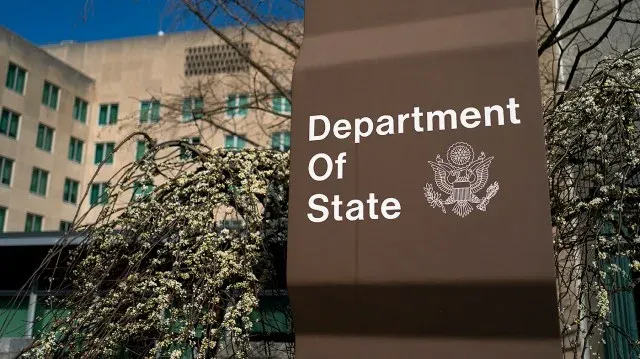
US-brokered Israel-Lebanon talks will be held in Rome from 4 to 6 August , the State Department confirmed.
Technical teams will focus on expanding the southern Lebanon pilot zone , resolving border disputes, and advancing a full peace and security agreement.
The IDF completed its first withdrawal from a pilot zone in southern Lebanon last week; Beirut has accused Jerusalem of hampering Lebanese Armed Forces access.
The previous round was held in Washington on 3 June , involving ambassadors from both countries and senior State Department officials.
Israel's Knesset election in October raises concerns that further withdrawals could stall as domestic political pressures mount.
The next round of US-brokered peace talks between Israel and Lebanon will convene in Rome from 4 to 6 August, as technical delegations from both countries work to advance a comprehensive peace and security framework, the US State Department confirmed. The Rome session follows the first successful pilot zone launch in southern Lebanon and builds on the momentum of recent high-level diplomatic engagement.
What the Rome Talks Will Cover
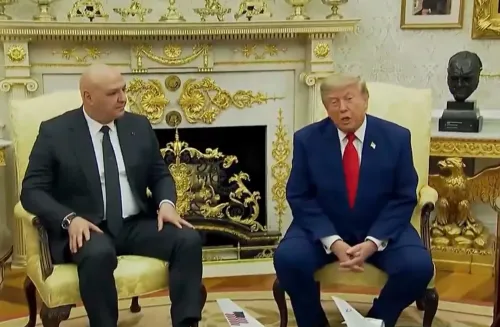
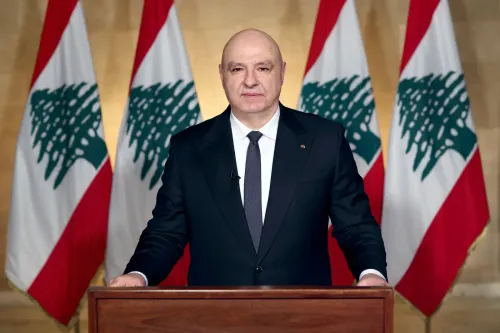
Technical groups from Israel and Lebanon will focus on three core areas: expanding the pilot zone process in southern Lebanon, resolving all outstanding border disputes, and progressing toward a full peace and security agreement. According to a State Department official, the discussions are entering a phase of 'significant momentum' following the pilot zone launch and Lebanese President Aoun's recent meeting with US President Donald Trump.
'In Rome, technical groups will focus on advancing the full implementation of the framework agreement,' the official said. 'That includes expanding the pilot zone process, resolving all outstanding border issues, and working on a comprehensive peace and security agreement.'
The Pilot Zone: What It Means on the Ground
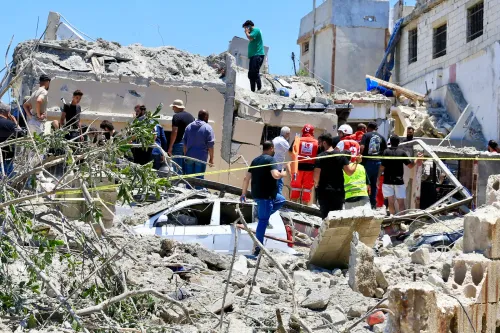
The pilot zone mechanism is designed to restore Lebanese state authority in the south, with a key condition being the verifiable disarmament of armed groups operating in the region. The Israel Defense Forces (IDF) completed their first withdrawal from a pilot zone in southern Lebanon last week — a significant operational step.
However, Beirut has since accused Jerusalem of obstructing the Lebanese Armed Forces (LAF) from fully operating within the transferred zone. The State Department pushed back, stating that the authority transfer was progressing successfully. Washington views the initial zone as a test model for phased expansion along the broader border.
'The first pilot zone is a concrete opportunity to deliver real progress on the ground, restoring Lebanese state authority through the verifiable disarmament of terrorist organisations and building the confidence needed for next steps,' the official said.
Diplomatic Background and Key Participants
The Rome talks follow an earlier round held at the State Department in Washington on 3 June. That session included Israeli Ambassador to the US Yechiel Leiter, State Department Chief of Staff Daniel Holler, US Ambassador to Lebanon Michel Issa, and Lebanese Ambassador to the US Nada Hamadeh. The United States has been the principal broker between the two neighbouring countries throughout this process.
Washington has framed the Trilateral Framework as the only viable path to durable peace. 'The Trilateral Framework is the only path to lasting peace,' the official said. 'Fully implementing it is in the clear interest of both countries, and the Trump Administration is committed to its success.'
Political Complications Ahead
The Rome session takes place against a charged political backdrop. Israel is preparing for a Knesset election in October, raising concerns that the approaching vote could complicate further Israeli withdrawals from southern Lebanon. Meanwhile, Lebanon is pressing for greater operational control for its armed forces in border areas — a demand that remains a sticking point in the negotiations.
Analysts note that election-year politics in Israel have historically slowed security concessions, making the August window a potentially critical — and narrow — opportunity to lock in progress before domestic pressures intensify.
Point of View
High-visibility stage — but the structural tensions remain unresolved. Beirut's accusation that Israel is hampering Lebanese army access to the first pilot zone, even as Washington declares the transfer 'progressing successfully,' reveals a gap between diplomatic optics and ground reality. With Israel's Knesset election in October, the incentive structure for further IDF withdrawals weakens sharply after August — meaning Rome is less a milestone and more a deadline. The Trilateral Framework's credibility will hinge on whether the pilot zone model delivers verifiable results before Israeli domestic politics freeze the process entirely.
NationPress
28 Jul 2026
Frequently Asked Questions
Where and when will the next Israel-Lebanon peace talks be held?
The next round of US-brokered Israel-Lebanon talks will be held in Rome from 4 to 6 August. Technical delegations from both countries will participate, with the United States continuing its role as principal broker.
What is the southern Lebanon pilot zone?
The pilot zone is a designated area in southern Lebanon where Israeli forces have withdrawn to allow the Lebanese state to reassert authority, contingent on the verifiable disarmament of armed groups in the area. The IDF completed its first such withdrawal last week, and Washington views it as a template for phased expansion along the border.
Why has Lebanon accused Israel of obstruction?
Beirut has alleged that Jerusalem is hampering the Lebanese Armed Forces from fully operating within the first pilot zone following the IDF withdrawal. The State Department has disputed this characterisation, saying the authority transfer is proceeding successfully.
How could Israel's upcoming election affect the peace process?
Israel is scheduled to hold a Knesset election in October, and concerns have been raised that the approaching vote could make further Israeli withdrawals from southern Lebanon politically difficult. The August Rome session is seen as a critical window before election-year pressures intensify.
What was agreed in the previous round of talks?
An earlier round was held at the State Department in Washington on 3 June, bringing together Israeli and Lebanese ambassadors alongside senior US officials. The session laid groundwork for the framework agreement that the Rome talks aim to advance toward full implementation.