Italy opposes Hormuz toll, rejects Trump's 20% cargo levy on straits
Synopsis
Italy has drawn a line in the sand against Trump's Hormuz toll — and the stakes go far beyond one waterway. Foreign Minister Tajani's warning that tolls on natural straits set a 'dangerous precedent' reflects a wider European fear: that Washington's pay-to-play security doctrine could unravel the rules-based maritime order that keeps global trade moving.
Key Takeaways
Italian Foreign Minister Antonio Tajani on 14 July rejected any tolls on shipping through natural straits, directly opposing Trump 's Hormuz levy .
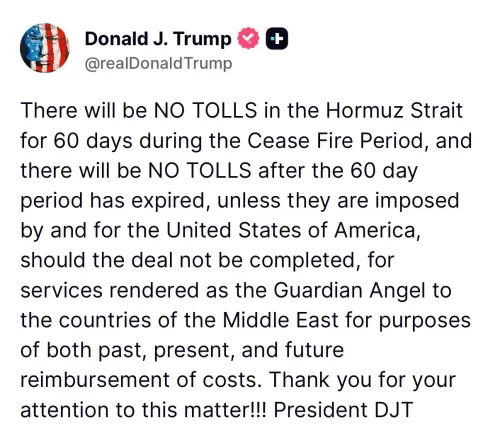
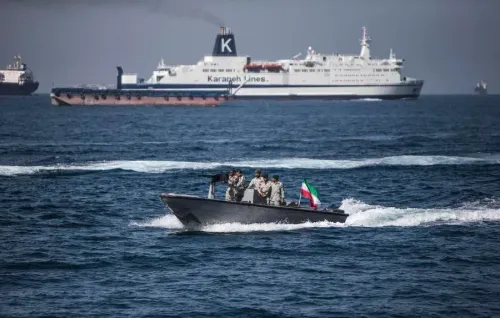
Trump announced a 20 per cent charge on all cargo vessels transiting the Strait of Hormuz , framing it as reimbursement for US naval protection costs.
Tajani distinguished natural straits from man-made canals like Suez and Panama , calling Hormuz tolls a 'dangerous precedent.' Italy's exports represent roughly 40 per cent of GDP , making Hormuz transit costs a direct economic threat.
BIMCO , the world's largest shipping association, warned the levy could further reduce Hormuz traffic, which has already stalled in recent days.
Trump named Saudi Arabia , UAE , Qatar , Bahrain , and Kuwait as nations that should help finance US military protection in the Gulf.
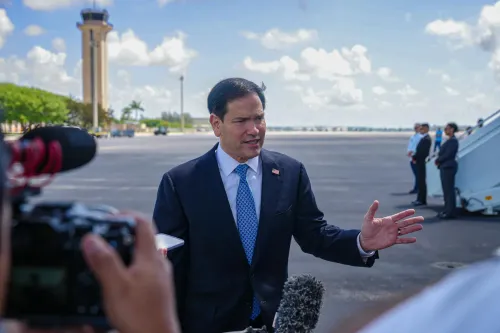
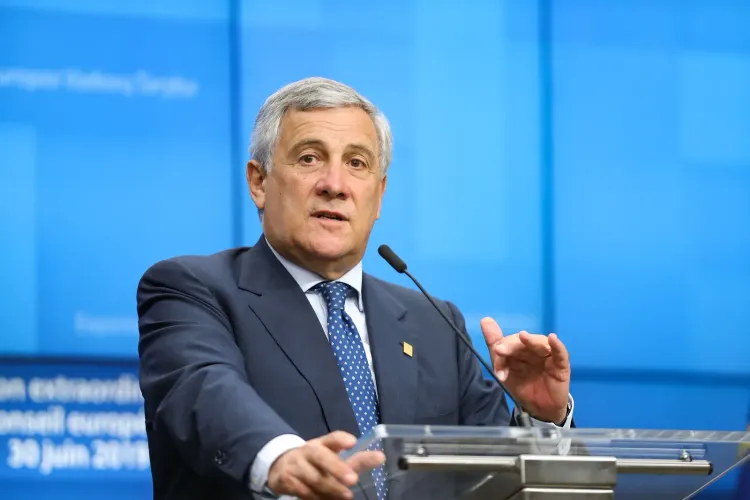
Italian Foreign Minister Antonio Tajani on Tuesday, 14 July declared that Italy firmly opposes any charges on vessels transiting natural straits worldwide, pushing back directly against US President Donald Trump's announcement of a 20 per cent levy on all cargo ships passing through the Strait of Hormuz. Speaking at the foreign ministry in Rome, Tajani framed the issue as a matter of foundational maritime law.
What Tajani Said
'We are in favour of freedom of navigation; we oppose any kind of toll in straits where there are no man-made structures,' Tajani told reporters. He drew a clear distinction between artificial waterways and natural straits, arguing that tolls on the latter set a 'dangerous precedent' that could trigger similar charges 'all over the world.'
Tajani cited the Suez Canal and the Panama Canal as legitimate examples where tolls are justified — both are man-made constructions requiring maintenance investment. The Strait of Hormuz, by contrast, is a natural chokepoint, and imposing fees there, he argued, crosses a fundamentally different line.
Why Italy Has Skin in the Game
Italy's objection is not merely philosophical. With exports accounting for roughly 40 per cent of GDP, Italy is one of Europe's most trade-dependent economies. Any levy on Hormuz transit would directly raise costs for Italian exporters shipping goods to Asian markets, making the policy 'certainly absolutely unacceptable,' in Tajani's words.
This comes amid a broader European discomfort with Washington's increasingly transactional approach to global security arrangements — an approach that allies fear could fragment the rules-based international order that underpins global commerce.
Trump's Position: Gulf Nations Must Pay
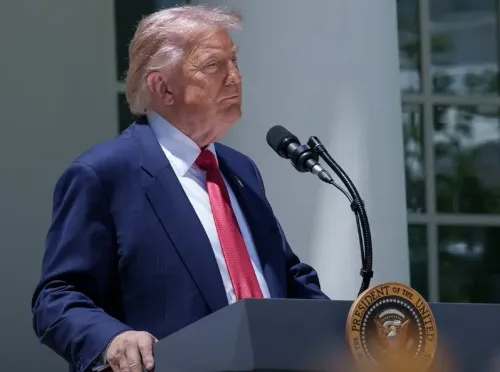
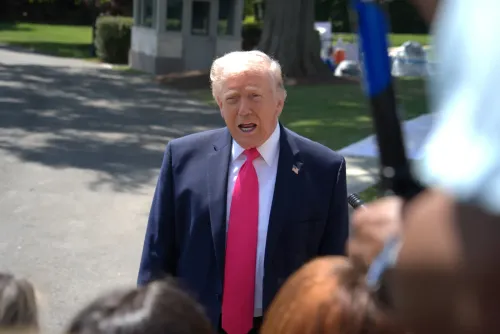
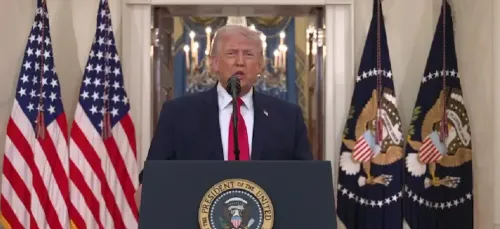
Trump announced on Monday that the United States was reinstating a naval blockade on Iran and would be 'reimbursed at the rate of 20 per cent on all cargo shipped' for costs incurred in guaranteeing safe passage through Hormuz. On Tuesday, he extended the argument, telling reporters at the White House that wealthy Gulf nations — naming Saudi Arabia, the United Arab Emirates, Qatar, Bahrain, and Kuwait — should help finance US military operations in the region.
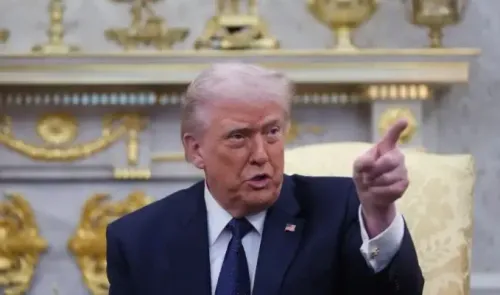
'I want to be reimbursed because we're protecting a very rich portion of the world,' Trump said. He argued that Washington bears the cost of defending regional partners despite the US no longer being dependent on Middle Eastern oil.
Shipping Industry Alarm
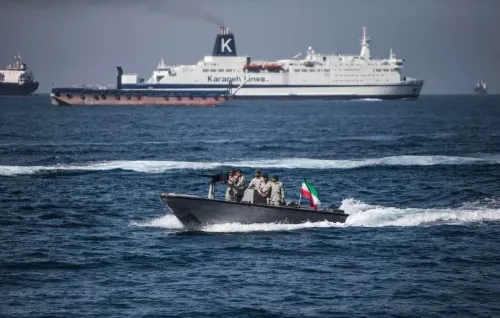
The Baltic and International Maritime Council (BIMCO), the world's largest shipping association, has warned that any US-imposed tariffs could further reduce traffic through the Strait of Hormuz — a critical oil conduit that, according to BIMCO, has already seen traffic grind to a halt again in recent days. The warning underscores how quickly the levy proposal is translating into real-world disruption well before any formal implementation.
Broader Implications
The Hormuz levy debate is the latest flashpoint in a wider contest over who pays for global security and who controls access to strategic waterways. If the US precedent holds, analysts warn that other powers could invoke similar logic to impose transit fees on their own adjacent straits — a scenario that would fundamentally alter the economics of international shipping. Italy's vocal opposition signals that Washington should expect resistance not just from adversaries but from close European allies as well. How the European Union collectively responds in the coming days will be closely watched.
Point of View
There is no legal principle stopping China from doing the same in the South China Sea or Russia in the Arctic. Tajani's distinction between man-made canals and natural straits is legally sound under UNCLOS, but legal soundness has rarely constrained great-power ambition. The real question is whether the EU will coordinate a unified response or let member states push back individually — because a fragmented European reply is exactly the outcome that makes the precedent stick.
NationPress
13 Oct 2026
Frequently Asked Questions
What is Trump's proposed 20 per cent Hormuz levy?
US President Donald Trump announced a 20 per cent charge on all cargo vessels transiting the Strait of Hormuz, framing it as reimbursement for US naval costs in guaranteeing safe passage through the waterway. The announcement came alongside a declaration that the US was reinstating a naval blockade on Iran.
Why is Italy opposed to the Hormuz toll?
Italian Foreign Minister Antonio Tajani argues that tolls on natural straits — as opposed to man-made canals like Suez or Panama — violate the principle of freedom of navigation and set a dangerous global precedent. Italy is also directly affected economically, with exports accounting for roughly 40 per cent of its GDP.
What is the Strait of Hormuz and why does it matter?
The Strait of Hormuz is a natural chokepoint between the Persian Gulf and the Gulf of Oman, through which a significant share of the world's oil supply transits. Disruption or cost increases on this route affect global energy prices and shipping economics.
What has the shipping industry said about the levy?
The Baltic and International Maritime Council (BIMCO), the world's largest shipping association, has warned that US-imposed tariffs could further reduce Hormuz traffic, which it says has already ground to a halt again in recent days — suggesting real-world disruption is already under way.
Which Gulf countries did Trump say should reimburse the US?
Trump named Saudi Arabia, the United Arab Emirates, Qatar, Bahrain, and Kuwait as nations that benefit from US military protection in the Gulf and should help finance those operations, arguing that Washington no longer depends on Middle Eastern oil yet still bears the cost of regional security.