Karachi tightens autopsy rules as police encounter deaths surge
Synopsis
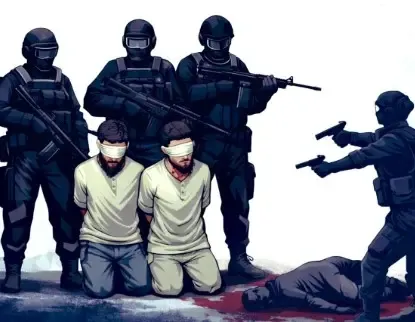
Karachi police encounters rose 71% this year, to 1,437 by late October, leaving 197 suspects dead. Rights groups call these extrajudicial killings, and the city's police surgeon has responded with an order requiring magistrates in contested cases. She says no suspected staged encounter has reached her in the 14 days since.
Key Takeaways
A 6 November order in Karachi requires doctors to involve a magistrate before autopsies in contested police shootout deaths.
Doctors must photograph bodies, record injuries, take whole-body X-rays and log the identities of the officers who bring the body in.
Karachi recorded 1,437 encounters from 1 January to 25 October 2026 , up 71% from 840 in 2025.
These encounters killed 197 suspects and injured 1,426 , according to police data.
HRCP chief Asad Iqbal Butt called the deaths “extra-judicial killings” and cited 1,000 alleged encounter deaths in Punjab over eight months.
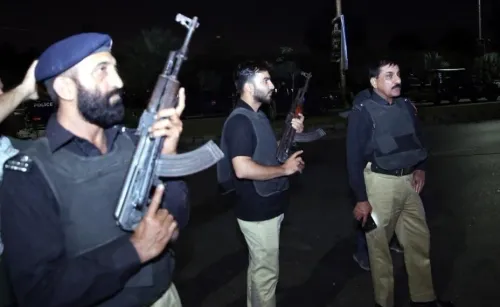
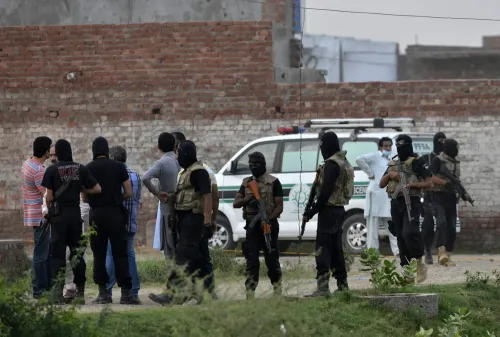
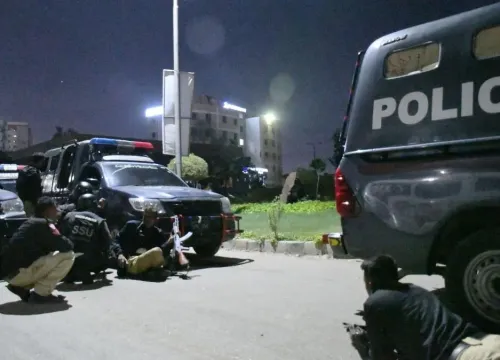
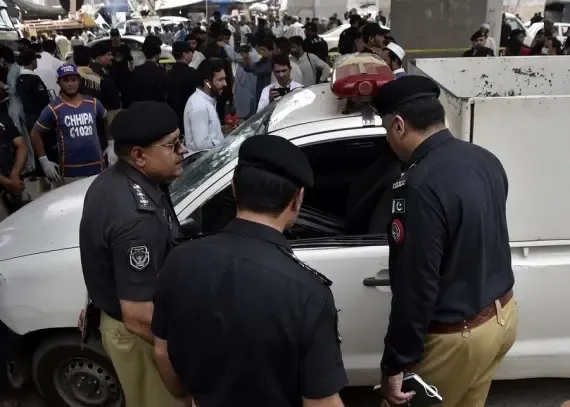
Authorities in Karachi, Pakistan, have tightened rules on how bodies of people police say were killed in shootouts are examined. Doctors must now involve a magistrate before conducting an autopsy in cases where questions are raised over police conduct. The change comes amid growing concern over alleged staged encounters in the city, according to a report published by Arab News.
The order, issued on 6 November, coincides with figures showing a sharp rise in police encounters in Pakistan's largest city in 2026. Human rights groups have described many of these deaths as extrajudicial killings.
What the New Order Requires
Under the directive, doctors must record the injuries of people killed in police shootouts and preserve evidence while awaiting judicial orders. They are required to photograph the body, document injuries and the condition of the clothing, and obtain X-rays of the whole body.
Medical staff must also record the identities and signatures of the police officers who bring the body in. Conclusions about where bullets entered or exited the body are reserved for the autopsy itself.
Under Pakistani law, magistrates must probe deaths that occur in police custody. They may also launch inquiries into suspicious deaths. The new rules bring that judicial oversight into the medico-legal process at an earlier stage.
What the Police Surgeon Said
Karachi's police surgeon, Dr Summaiya Syed, who issued the order, said it appeared to have had an effect. “During the past 14 days, since I issued the order, no suspected staged encounter case has been brought to us,” she was quoted as saying by Arab News.
Encounter Numbers Rise Sharply
Data from Karachi police, cited by the Pakistani daily Dawn, shows 1,437 encounters took place between 1 January and 25 October. That is a 71 per cent rise from 840 in the same period of 2025.
According to the data, these encounters killed 197 suspects and injured 1,426 others. The number of suspects arrested in a wounded condition rose 67.9 per cent from 849 in the corresponding period last year.
Separate reports put the toll at around 200 suspected street criminals allegedly killed over the past 10 months. That is an 80 per cent increase from 109 during the same period in 2025. Official data did not disclose how many security personnel were injured in these encounters.
Senior police officials have maintained that all encounters were genuine. They have also said the department suffered casualties of its own, Dawn reported.
Rights Groups Raise Alarm
Earlier this month, human rights groups raised concerns over the surge in alleged police encounters in Karachi, local media reported. Asad Iqbal Butt, Chairperson of the Human Rights Commission of Pakistan (HRCP), said the commission viewed deaths of suspects in police encounters as “extra-judicial killings”.
Butt called the practice an “ailment” that had affected the Punjab Police and appeared to have now spread to Karachi. He said an HRCP fact-finding exercise in Punjab found that 1,000 suspects were killed in alleged encounters over an eight-month period.
International Scrutiny
The rule change comes amid wider concern over how Pakistan investigates deaths involving law enforcement. In 2024, the United Nations Human Rights Committee urged Pakistan to investigate allegations of extrajudicial killings promptly, impartially and thoroughly.
Whether stricter forensic documentation leads to judicial accountability, or only to fewer contested cases reaching the morgue, is likely to be the next test for Karachi's police and courts.
Point of View
And that claim deserves scrutiny. It could mean the order is working, or it could mean contested cases are being kept away from the morgue. Pakistan's encounter culture, which the HRCP says is already established in Punjab, has outlasted UN censure and statutory magistrate oversight before. The real test is not better documentation but whether a single officer faces prosecution. For South Asian observers, including in India, Karachi's experiment shows both the value and the limits of forensic safeguards against custodial violence.
NationPress
26 Nov 2026
Frequently Asked Questions
What new rule has Karachi introduced for police encounter deaths?
Doctors in Karachi must now involve a magistrate before conducting autopsies where questions are raised over police conduct. The order, issued on 6 November, also requires photographs, injury records, whole-body X-rays and the identities of the officers who bring the body in.
How many police encounters took place in Karachi in 2026?
Karachi police data shows 1,437 encounters between 1 January and 25 October 2026, a 71% rise from 840 in the same period of 2025. These encounters killed 197 suspects and injured 1,426.
Why are human rights groups concerned about Karachi encounters?
Rights groups, including the Human Rights Commission of Pakistan, view many of these deaths as extrajudicial killings. HRCP chair Asad Iqbal Butt said the practice seen in Punjab appears to have spread to Karachi.
What do Karachi police say about the encounters?
Senior police officials say all encounters were genuine and that the police department also suffered casualties. Official data, however, does not disclose how many security personnel were injured.
Has the UN raised concerns about extrajudicial killings in Pakistan?
Yes. In 2024, the United Nations Human Rights Committee urged Pakistan to investigate allegations of extrajudicial killings promptly, impartially and thoroughly.