South Korea's Lee urges freeze on North Korea's nuclear, missile buildup
Synopsis
South Korean President Lee Jae Myung has broken from maximalist denuclearisation orthodoxy, calling instead for a realistic freeze on North Korea's nuclear and missile production as a short-term goal — even as Kim Jong-un vows exponential arsenal growth and Xi Jinping lands in Pyongyang. The gap between Seoul's pragmatism and Pyongyang's defiance has rarely looked wider.
Key Takeaways
President Lee Jae Myung called for halting North Korea's nuclear material production and ICBM development as a short-term negotiating goal on 8 June 2025 .
Kim Yo-jong dismissed denuclearisation as an 'anachronistic dream' and called the North's nuclear status 'absolutely irreversible.' Kim Jong-un visited a new nuclear facility last week and pledged to expand the arsenal at an 'exponential rate.' Chinese President Xi Jinping began a two-day state visit to Pyongyang on Monday, signalling Beijing's continued strategic backing of the North.
China omitted denuclearisation language from its latest defence white paper, reflecting a quiet diplomatic retreat from the goal.
Lee said he has told President Trump that sanctions alone are not working and that realistic, phased talks are needed.
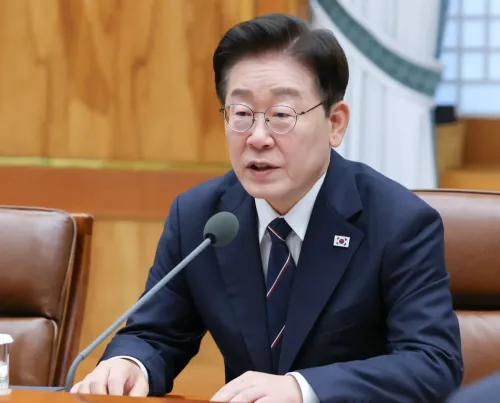
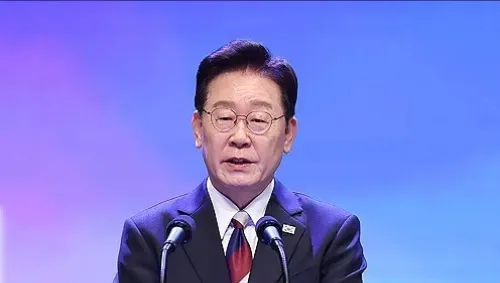
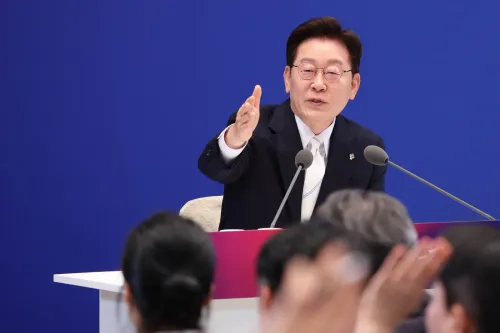
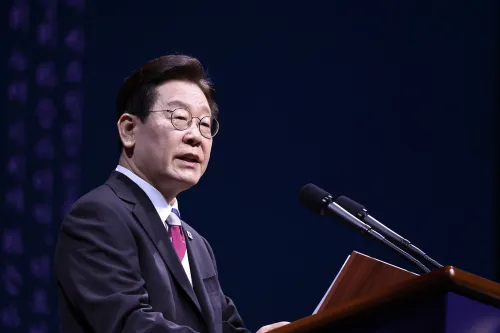
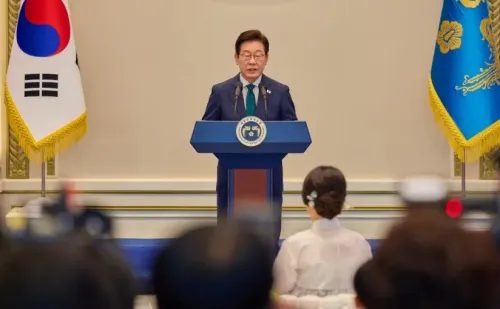
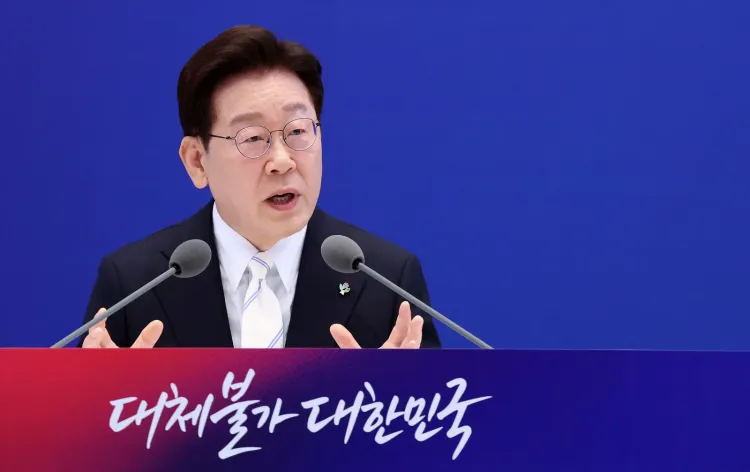
South Korean President Lee Jae Myung on Monday, 8 June called for a realistic short-term strategy to halt North Korea's expanding nuclear and missile programmes, acknowledging that complete denuclearisation remains a distant goal given Pyongyang's deepening commitment to its weapons arsenal. Speaking at a press conference marking his first year in office, Lee argued that ignoring the trajectory of the North's military build-up would itself be an act of irresponsibility.
What Lee Proposed
'North Korea continues to produce nuclear material as we speak ... What happens if we allow this to go on? There will be more nuclear weapons, and ICBM (intercontinental ballistic missile) technology will move closer to completion. It is becoming worse. That is the reality,' Lee said.
He outlined a phased negotiating framework: 'Let's not give up our denuclearisation goal ... (but seek) no additional production of nuclear material, no transfer of them abroad, a moratorium, a stop to the ICBM development. We have to set this as a short-term goal and negotiate (with the North).'
The Regional Context
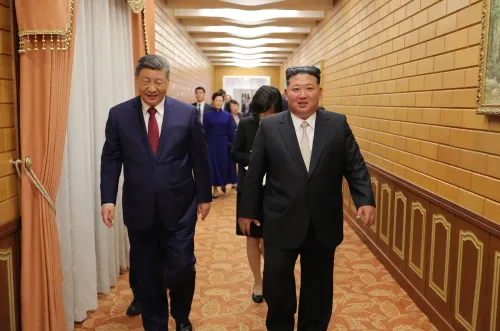
Lee's remarks arrive at a particularly charged moment. Chinese President Xi Jinping began a two-day state visit to Pyongyang on the same day — a trip widely seen as Beijing's move to reassert influence over the North. Analysts note that China has progressively distanced itself from denuclearisation language on the diplomatic stage, with the term notably absent from its latest defence white paper last year.
Russia, too, has effectively looked away from the North's nuclear issue, narrowing the multilateral pressure available to Seoul and its allies. This comes amid growing scepticism over whether denuclearisation remains a workable objective at all.
Pyongyang's Pushback
The North has rejected such overtures sharply. Kim Yo-jong, sister of North Korean leader Kim Jong-un, on Sunday dismissed denuclearisation efforts as an 'anachronistic dream,' declaring the North's nuclear-armed status 'absolutely irreversible.' Days earlier, Kim Jong-un had visited a new nuclear facility and pledged to expand the country's arsenal at an 'exponential rate.'
Lee's Diplomatic Outreach
Lee said he has already raised the urgency of the situation with US President Donald Trump and other world leaders. 'I have spoken about this to President Trump and other world leaders, that if we do nothing about this, it will get worse. That the sanctions are not working,' he said. 'So we need to be realistic and have talks based on short-, mid- and long-term goals.'
He emphasised that resuming dialogue with Pyongyang is essential to achieving even the limited freeze he envisions, arguing that the status quo benefits no one — neither the Korean Peninsula nor the broader international community.
What Comes Next
With Xi Jinping in Pyongyang and Washington recalibrating its North Korea posture, the diplomatic window for any freeze agreement remains narrow but not entirely closed. Lee's framing — pragmatic, incremental, and explicitly distanced from the maximalist denuclearisation demand — signals a possible repositioning of Seoul's negotiating stance that could shape inter-Korean diplomacy in the months ahead.
Point of View
The multilateral architecture that once pressured the North has effectively collapsed. Lee's framework is the right diagnosis; whether any party has the leverage to act on it is an entirely different question.
NationPress
20 Sept 2026
Frequently Asked Questions
What did South Korean President Lee Jae Myung propose regarding North Korea's nuclear programme?
President Lee proposed halting North Korea's nuclear material production, banning transfers abroad, and stopping ICBM development as a realistic short-term goal — distinct from the longer-term aim of full denuclearisation. He made the remarks at a press conference on 8 June marking his first year in office.
Why does Lee say complete denuclearisation is not a viable short-term goal?
Lee argued it would be irresponsible to ignore the reality that North Korea sees little incentive to give up its nuclear arsenal, which it has been expanding rapidly. He noted that Kim Jong-un recently pledged to grow the arsenal at an exponential rate.
What was North Korea's response to denuclearisation calls?
Kim Yo-jong, sister of leader Kim Jong-un, called denuclearisation efforts an 'anachronistic dream' on Sunday and declared the North's nuclear-armed status 'absolutely irreversible.' Kim Jong-un himself visited a new nuclear facility last week and vowed to bolster the arsenal.
Why is Xi Jinping's visit to Pyongyang significant?
Chinese President Xi Jinping began a two-day state visit to Pyongyang on 8 June, a trip widely seen as Beijing reasserting influence over North Korea. China has also quietly dropped denuclearisation language from its diplomatic communications, including its latest defence white paper.
What has President Lee said to the United States about North Korea?
Lee told President Trump and other world leaders that inaction will worsen the situation and that sanctions are not working. He called for phased talks based on short-, mid-, and long-term goals as a more realistic path forward.