Make in India boosts defence self-sufficiency, opens doors for Slovakia ties: Ambassador
Synopsis
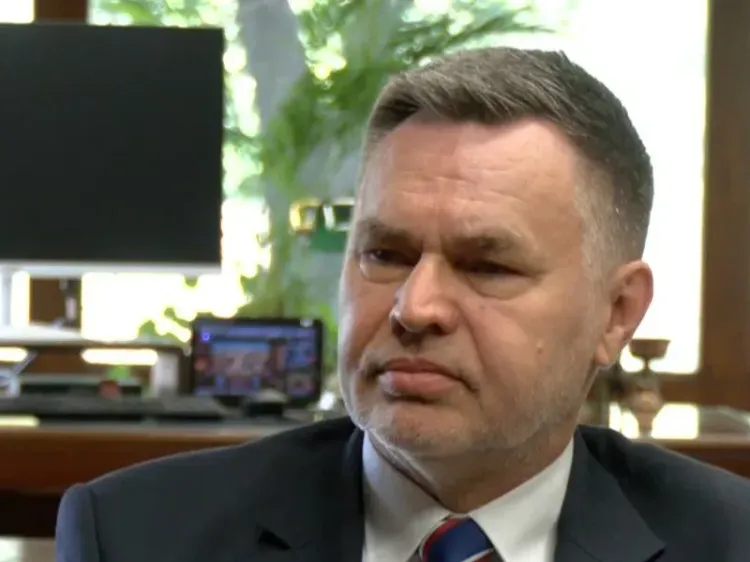
Slovakia's Ambassador to India says 'Make in India' has done what decades of policy could not — built genuine defence self-sufficiency. With PM Modi's visit imminent, Robert Maxian's remarks signal that India-Slovakia ties are set to expand well beyond hardware supply into energy, cybersecurity, and green technology.
Key Takeaways
Slovakia's Ambassador Robert Maxian credited Make in India with transforming India's defence sector and achieving self-sufficiency in several areas.
Slovakia has maintained defence cooperation with India since the Slovak Republic's establishment in 1993 , supplying military hardware and collaborating on simulators, recovery vehicles, and chemical detectors.
A proposed India-EU trade agreement could create a free trade zone of nearly two billion people , with Maxian hoping it takes effect by end-2025 or early 2026 .
A biofuel project in Uttar Pradesh uses Slovak technology to produce ethanol from agricultural waste such as rice and corn residue.
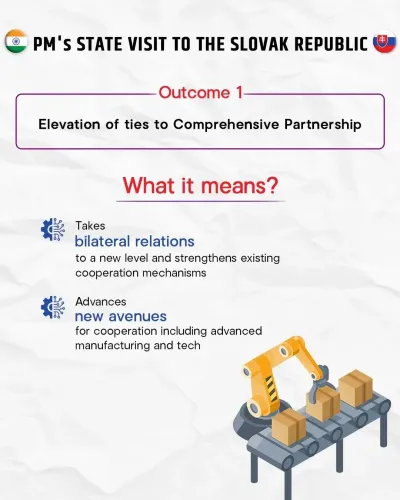
Bilateral cooperation is set to deepen across defence, energy, cybersecurity, and green technologies ahead of PM Modi's visit to Slovakia.
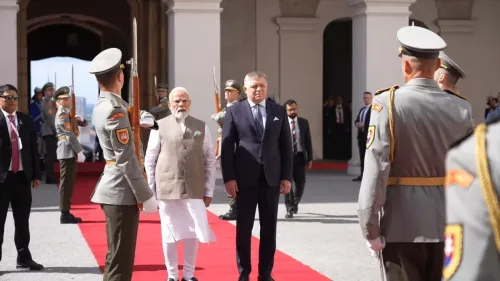
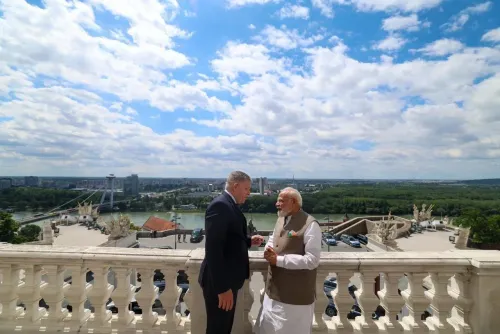
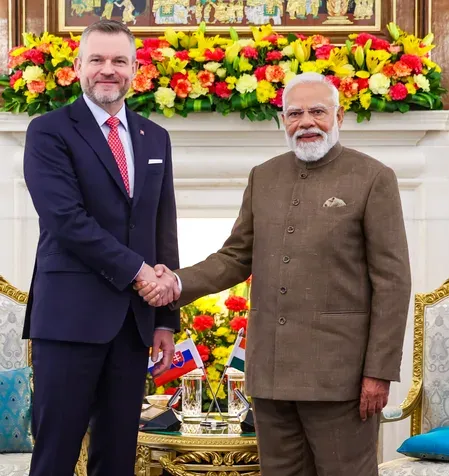
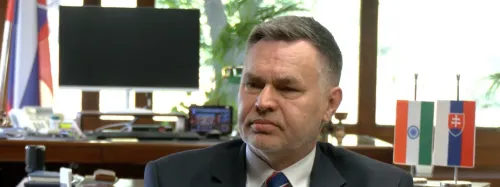
Slovakia's Ambassador to India, Robert Maxian, has said that India's 'Make in India' initiative has fundamentally transformed the country's defence manufacturing landscape, enabling self-sufficiency in several critical areas and generating fresh avenues for international collaboration. His remarks came ahead of Prime Minister Narendra Modi's scheduled visit to Slovakia.
India's Defence Transformation
Ambassador Maxian pointed to the sweeping changes in India's defence industrial base over the past three decades. 'Over the last 30 years, the situation has evolved significantly. Through the Make in India initiative, India has indigenised much of its defence industry and achieved self-sufficiency in several areas,' he said.
He also noted that the expanding role of private sector companies in defence manufacturing has strengthened India's overall capabilities, creating new pathways for bilateral collaboration with countries like Slovakia.
Slovakia's Long-Standing Defence Partnership with India
Describing Slovakia as a dependable partner in defence technologies, Maxian highlighted that the two countries have maintained defence cooperation since the establishment of the Slovak Republic in 1993. Slovakia has supplied military hardware to India and continues to collaborate with Indian partners on projects involving flight mission simulators, recovery vehicles, chemical detectors, and other advanced defence technologies. The ambassador encouraged industries from both nations to actively explore new partnership opportunities.
Trade Agreement and Economic Cooperation
A proposed trade agreement between India and the European Union — of which Slovakia is a member — is expected to progressively reduce import duties, lower costs for consumers, and establish a free trade zone covering nearly two billion people. Maxian expressed hope that the agreement would enter into force by the end of 2025 or early 2026.
Energy, Nuclear, and Green Technology Ties
Beyond defence, Maxian pointed to a Memorandum of Understanding between the nuclear authorities of both countries as a foundation for deeper engagement in the energy sector. He also highlighted a successful biofuel project in Uttar Pradesh, where Slovak technology is being used to produce ethanol from agricultural waste — including rice and corn residue.
'The project demonstrates how Slovak and Indian companies can work together to develop sustainable energy solutions,' he said, adding that more such facilities could be established if regulatory conditions become more supportive. The cooperation spans cybersecurity and green technologies as well, reflecting the broad strategic ambition of the bilateral relationship.
What Comes Next
With Modi's visit on the horizon, both sides appear poised to formalise and deepen engagements across defence, energy, and trade. The ambassador's remarks signal that Slovakia views India not merely as a market, but as a long-term strategic partner in an evolving global security and industrial order.
Point of View
Not platform-level co-production. The real test of India's defence self-sufficiency claim is not what it has indigenised, but what it can export and co-develop at scale. The biofuel and nuclear MoU references suggest both sides are hedging — building a broader relationship so that if one sector stalls, others carry momentum. That is prudent diplomacy, but it also reflects the fragmented nature of India-Slovakia ties, which remain commercially thin relative to their stated strategic ambition.
NationPress
26 Oct 2026
Frequently Asked Questions
What did Slovakia's Ambassador say about Make in India and defence?
Ambassador Robert Maxian said that Make in India has significantly transformed India's defence sector, enabling the country to indigenise much of its defence industry and achieve self-sufficiency in several key areas over the past 30 years. He also noted that private sector participation has strengthened these capabilities further.
What defence projects do India and Slovakia collaborate on?
India and Slovakia have cooperated on defence since 1993, with Slovakia supplying military hardware and working with Indian partners on flight mission simulators, recovery vehicles, chemical detectors, and other advanced technologies.
What is the India-EU trade agreement Maxian referred to?
The proposed India-EU free trade agreement is expected to reduce import duties, lower consumer costs, and create a free trade zone covering nearly two billion people. Maxian expressed hope it would come into force by end-2025 or early 2026.
What is the biofuel project in Uttar Pradesh involving Slovak technology?
A biofuel project in Uttar Pradesh uses Slovak technology to produce ethanol from agricultural waste, including rice and corn residue. The ambassador cited it as a model for India-Slovakia collaboration on sustainable energy solutions.
Why are Maxian's remarks significant ahead of PM Modi's visit?
The ambassador's comments signal that Slovakia sees India as a long-term strategic partner across defence, energy, cybersecurity, and green technologies. His remarks ahead of PM Modi's visit suggest both sides are preparing to formalise and expand bilateral engagements.