Dozens of Pakistani children contract HIV after routine hospital visits

Synopsis
At least six children have reportedly died and dozens more are living with HIV after routine hospital visits in Pakistan, where families allege basic infection-control measures — including not reusing syringes — were ignored. It echoes a 2019 outbreak in Sindh that infected hundreds of children, raising urgent questions about whether Pakistan's healthcare system has learned anything.
Key Takeaways
Dozens of children in Pakistan have reportedly contracted HIV following routine hospital visits, according to reports.
Families allege that unsafe reuse of syringes and IV needles by hospital staff caused the infections.
At least six children have reportedly died as a result of the outbreak.
Affected families are demanding investigations, accountability, and stronger oversight of medical facilities.
The incident echoes a 2019 HIV outbreak in Ratodero, Sindh , also linked to unsafe medical practices.
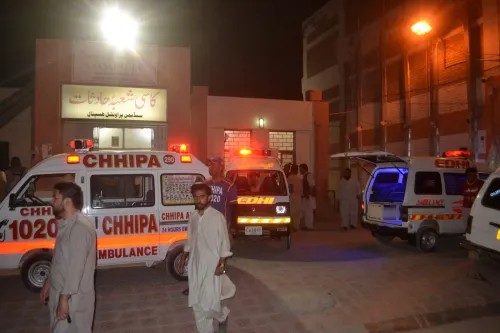
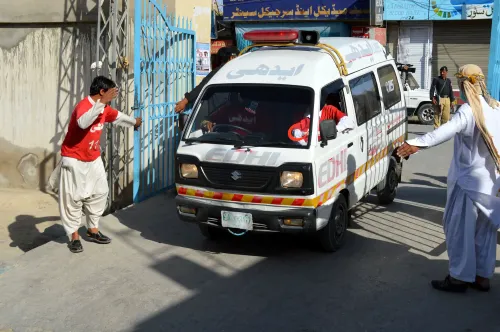
A serious public health crisis has emerged in Pakistan, where dozens of children have reportedly contracted HIV following routine medical treatment at hospitals, according to a report by NPR. Affected families allege that unsafe practices — including the repeated use of syringes and needles for injections and intravenous (IV) drips — exposed their children to the virus during visits for common illnesses.
How the Infections Reportedly Occurred
According to parents cited in the report, their children were taken to healthcare facilities for ordinary ailments and standard procedures, only to later test positive for HIV. The diagnoses have devastated families, many of whom say their children had no known risk factors for the virus prior to their hospital visits.
The core allegation is that basic infection-control protocols were ignored by hospital staff — most critically, the reuse of syringes and IV needles across multiple patients, a practice that can transmit bloodborne viruses including HIV.
Tragic Consequences: Deaths and Lifelong Illness
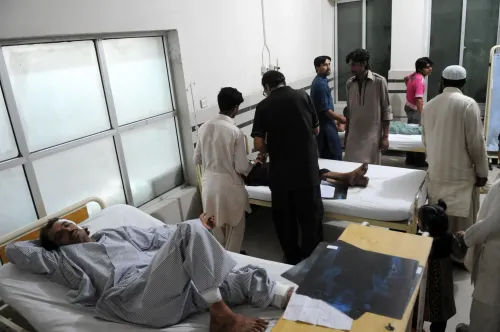
The outbreak has had severe consequences. At least six children have reportedly died, while many others are now living with a chronic condition that demands continuous medical treatment and long-term monitoring.
HIV attacks the body's immune system and, while manageable with modern antiretroviral therapy, remains a lifelong illness. Families are now confronting not only medical costs and regular check-ups but also the burden of social stigma that HIV diagnoses carry in many communities.
Families Demand Accountability
Parents of the affected children are calling for official recognition of what they describe as a preventable tragedy. Many have accused hospital staff of negligence and are demanding thorough investigations into how infection-control standards broke down so severely. Rights advocates have joined in calls for stronger oversight of medical facilities to prevent similar outbreaks.
'They had gone in for routine treatment,' parents reportedly told journalists, expressing anguish that their children's infections could have been avoided with basic precautions.
Broader Concerns About Pakistan's Healthcare System
The incident has reignited longstanding concerns about patient safety in parts of Pakistan's healthcare system. This is not the first time the country has faced a large-scale HIV outbreak linked to unsafe medical practices — a 2019 outbreak in Ratodero, Sindh, saw hundreds of children infected under similar circumstances, also attributed to the reuse of medical equipment.
Advocates are now pressing authorities for systemic reforms, mandatory infection-control training for healthcare workers, and a credible mechanism to hold negligent facilities accountable. How Pakistan's health authorities respond to this latest crisis will be closely watched by regional and global public health observers.
Point of View
Which infected hundreds of children through reused needles, drew international condemnation and promises of reform. The recurrence of near-identical allegations suggests that systemic change never followed the outrage. The real accountability question is not just whether individual hospital staff acted negligently, but why institutional safeguards — training, inspection, supply chains for single-use equipment — have apparently failed again. Without structural reform tied to enforceable standards, each new outbreak becomes a grim confirmation that the last one changed nothing.
NationPress
23 Sept 2026
Frequently Asked Questions
How did children in Pakistan reportedly contract HIV from hospitals?
According to reports, children contracted HIV through the alleged reuse of syringes and IV needles during routine medical procedures at hospitals. Families say their children were taken in for common illnesses and had no other known risk factors for the virus.
How many children have died in this Pakistan HIV outbreak?
At least six children have reportedly died, according to the NPR report. Many more are now living with HIV, which requires lifelong antiretroviral treatment and carries significant medical, financial, and social burdens.
What are the families demanding?
Affected families are demanding official recognition of the outbreak as a preventable tragedy, thorough investigations into hospital practices, accountability for negligent staff, and stronger infection-control oversight at medical facilities across Pakistan.
Has Pakistan faced a similar HIV outbreak before?
Yes. In 2019, a large-scale HIV outbreak in Ratodero, Sindh, saw hundreds of children infected under similar circumstances, also attributed to the reuse of medical equipment. That incident drew global attention and calls for systemic healthcare reform.
What is the long-term impact on the affected children?
Children diagnosed with HIV face a lifelong chronic condition requiring continuous antiretroviral therapy and regular monitoring. Beyond the medical burden, families also report significant financial strain and fear of social stigma surrounding the diagnosis.