Pakistan chases global role as economy, Balochistan, India tensions fester
Synopsis
A Bangladeshi newspaper's editorial cuts through Pakistan's diplomatic theatre: while Islamabad sends its army chief to Tehran to broker US-Iran peace, its own economy is on IMF life support, two active insurgencies are burning at home, and relations with both India and Afghanistan remain dangerously volatile. The gap between Pakistan's global ambitions and its domestic reality has rarely been laid out this starkly — and from a neighbouring country, no less.
Key Takeaways
A Dhaka Tribune editorial by Tanjina Aman Tanjum criticises Pakistan for seeking global relevance while neglecting severe domestic crises.
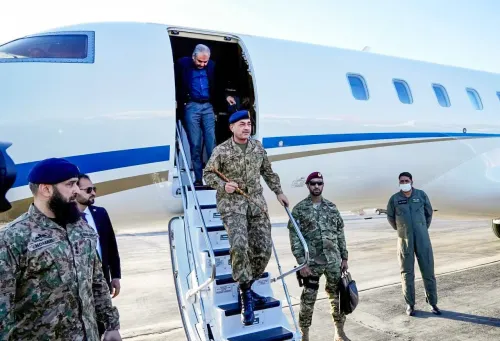
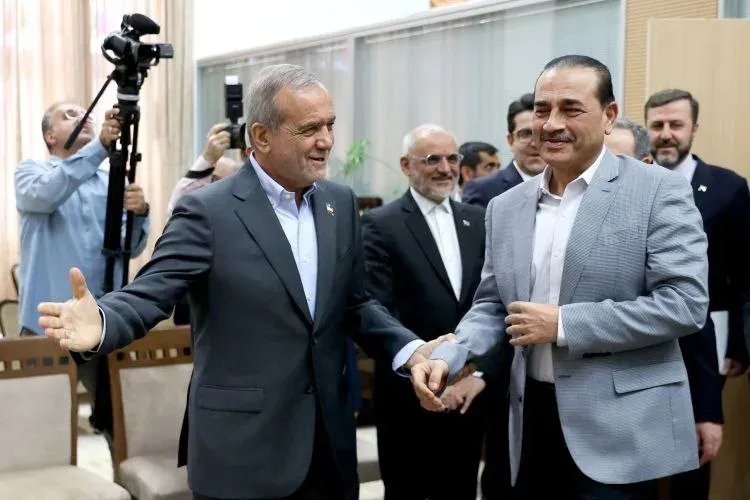
Army Chief Field Marshal Asim Munir and Interior Minister Mohsin Naqvi visited Tehran to mediate in the US-Iran conflict .
Pakistan's foreign exchange reserves have repeatedly fallen to levels where meeting import costs has become critical; the country is described as near-dependent on IMF loans .
The TTP and BLA have carried out repeated major attacks on Pakistani soil, while the Pakistan-Afghanistan border remains in 'perpetual instability.' The editorial warns that a prolonged Middle East conflict could worsen Pakistan's economy and trigger sectarian tensions given its large Shia population .
Pakistan-India relations remain strained over Kashmir , border clashes, and what the editorial calls the recurring 'spectre of a nuclear conflict.'
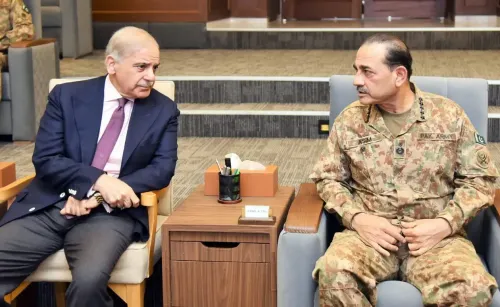
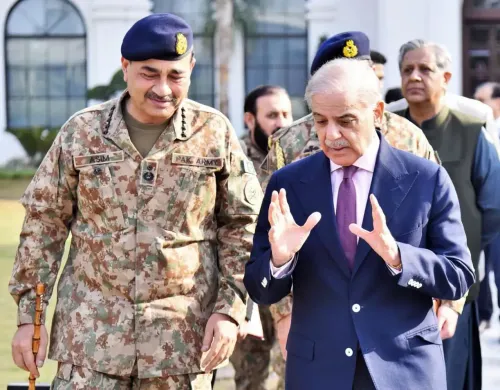
Even as Pakistan positions itself as a potential mediator in the US-Iran conflict, a scathing editorial in Bangladesh's Dhaka Tribune argues that Islamabad is pursuing international relevance while a cascade of domestic crises — from a near-insolvent economy to armed insurgencies — remains unresolved. The critique, published on 24 May, comes days after a Pakistani delegation that included Army Chief Field Marshal Asim Munir and Interior Minister Mohsin Naqvi travelled to Tehran to press for a halt to hostilities between Washington and Tehran.
The Economic Strain at Home
The editorial, authored by Tanjina Aman Tanjum, pulls no punches on Pakistan's fiscal condition. 'Keeping Pakistan's economy operational without loans from the IMF has become nearly impossible. Foreign exchange reserves have repeatedly plummeted to levels where even meeting import costs has become a matter of grave concern,' Tanjum wrote.
The human cost, according to the piece, is tangible and worsening. Fuel shortages, surging electricity tariffs, and rising prices of daily essentials have, in Tanjum's words, 'rendered the lives of ordinary citizens unbearable.' Middle-class families are cutting back on daily spending, small businesses are fighting to survive, and a growing share of Pakistan's youth is reportedly looking to emigrate.
Balochistan, TTP, and the Afghanistan Fault Line
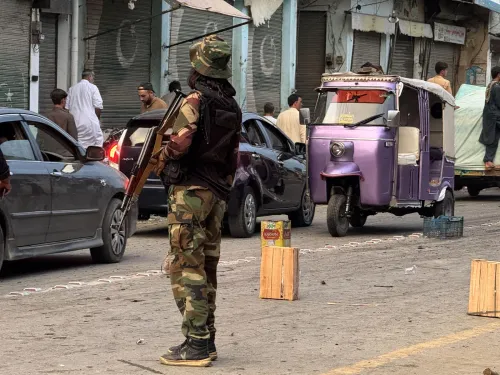
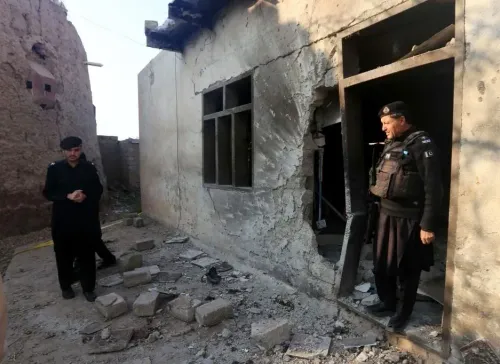
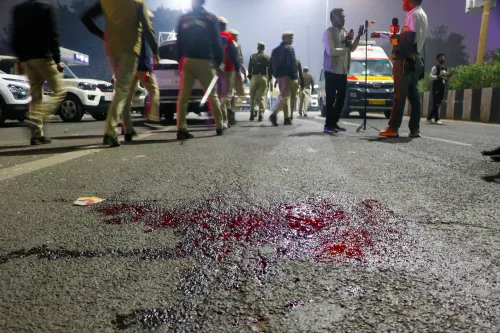
Beyond the economy, the editorial points to two active insurgencies eating into Pakistan's internal stability. The Tehreek-i-Taliban Pakistan (TTP) and the Balochistan Liberation Army (BLA) have, according to the piece, repeatedly carried out major attacks on Pakistani soil. Separately, border skirmishes, terrorism, and disputes linked to the Taliban in Afghanistan have kept the Pakistan-Afghanistan relationship in what Tanjum describes as a state of 'perpetual instability.'
The India Dimension
The Dhaka Tribune editorial also revisits Pakistan's fraught relationship with India, noting that the Kashmir dispute, border clashes, and political tensions have 'consistently kept relations between the two nations on edge.' The piece goes further, observing that 'on several occasions, situations have arisen where the spectre of a nuclear conflict loomed large' — a characterisation that underscores the high-stakes nature of the bilateral dynamic.
Why Pakistan Has a Stake in the US-Iran Standoff
The editorial does acknowledge that Islamabad's mediation push is not purely altruistic. Tanjum argues that a protracted Middle East conflict would drive up global oil prices, deepening Pakistan's already precarious fiscal position. Additionally, given Pakistan's large Shia population, prolonged instability around Iran risks igniting domestic sectarian tensions — giving Islamabad a clear self-interest in de-escalation.
The analysis reflects a broader regional conversation about whether Pakistan has the credibility and internal bandwidth to play a constructive diplomatic role, even as it grapples with challenges that have resisted resolution for years. How Islamabad balances these competing pressures in the weeks ahead will be closely watched across South Asia and beyond.
Point of View
Contain two active insurgencies, or normalise relations with either of its land neighbours is an unlikely candidate for great-power mediation. Pakistan's Iran outreach may be tactically rational — a prolonged oil shock would be catastrophic for its fragile finances — but it risks looking like diplomatic cosplay to audiences at home and abroad. The harder question, which the editorial only gestures at, is whether the Pakistani military's foreign-policy activism is partly a mechanism to deflect attention from accountability for the domestic failures the piece catalogues.
NationPress
25 Sept 2026
Frequently Asked Questions
Why is Pakistan trying to mediate in the US-Iran conflict?
Pakistan sent a delegation including Army Chief Field Marshal Asim Munir and Interior Minister Mohsin Naqvi to Tehran to push for an end to hostilities between the US and Iran. According to the Dhaka Tribune editorial, Islamabad has a direct self-interest: a prolonged Middle East conflict would raise oil prices, worsening Pakistan's already fragile economy, and could also inflame sectarian tensions domestically given Pakistan's large Shia population.
What is the state of Pakistan's economy in 2025?
According to the Dhaka Tribune editorial, Pakistan's economy is critically dependent on IMF loans, with foreign exchange reserves having repeatedly fallen to levels where meeting even basic import costs has been a serious concern. Fuel shortages, rising electricity tariffs, and soaring prices of daily essentials have made life difficult for ordinary citizens, while small businesses struggle and youth emigration is reportedly rising.
What internal security challenges is Pakistan facing?
Pakistan is contending with active insurgencies from both the Tehreek-i-Taliban Pakistan (TTP) and the Balochistan Liberation Army (BLA), both of which have carried out repeated major attacks on Pakistani soil. Separately, border skirmishes and Taliban-related disputes have kept Pakistan-Afghanistan relations in what the editorial describes as 'perpetual instability.'
How does the editorial describe Pakistan's relationship with India?
The Dhaka Tribune editorial describes Pakistan-India ties as persistently fraught, citing the Kashmir dispute, border clashes, and political tensions. It notes that 'on several occasions, situations have arisen where the spectre of a nuclear conflict loomed large,' reflecting the high-stakes nature of the bilateral relationship.
Who wrote the Dhaka Tribune editorial criticising Pakistan?
The editorial was authored by Tanjina Aman Tanjum and published in Bangladesh's Dhaka Tribune. It argues that Pakistan is prioritising international diplomatic ambitions over resolving its pressing domestic economic and security crises.