Pakistan loses $17 billion yearly to malnutrition, report warns

Synopsis
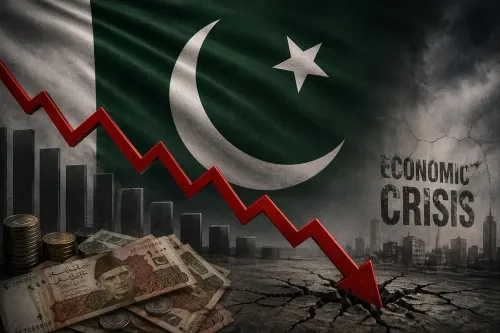
Pakistan is losing $17 billion every year to malnutrition — and the crisis is accelerating. Floods in 2022 and 2025, water contaminated with coliform bacteria in 58% of homes, and inflation-driven dietary collapse are combining with a fragmented nutrition budget to trap millions in a cycle of stunting, lost productivity and preventable death.
Key Takeaways
Malnutrition costs Pakistan an estimated $17 billion annually through lost productivity, healthcare costs, poor educational outcomes and premature deaths.
Around 58 per cent of household water in Pakistan is contaminated with coliform bacteria, undermining nutrient absorption in children.
Floods in 2022 and 2025 destroyed crops, displaced communities and disrupted access to nutrition and healthcare services.
Rising inflation is pushing families toward carbohydrate-rich diets, causing deficiencies in iron, zinc, Vitamin A, calcium and protein .
Pakistan's nutrition spending is fragmented across sectors with no dedicated budget framework for accountability or impact measurement.
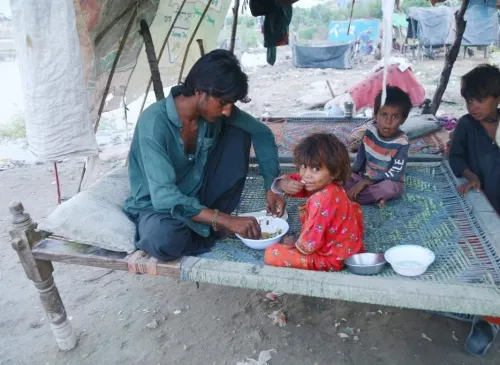
Chronic malnutrition in the first 1,000 days of life causes stunting, cognitive impairment and reduced lifetime economic productivity.
Malnutrition is costing Pakistan an estimated $17 billion every year through lost productivity, higher healthcare expenditure, poor educational outcomes and premature deaths, according to a report by The Express Tribune. The findings underscore a deepening public health and economic crisis in a country already under severe fiscal strain.
The Scale of the Crisis
The report identifies a compounding set of drivers: climate-related disasters, chronic food insecurity, unsafe drinking water and persistently inadequate investment in nutrition programmes. Notably, despite accounting for less than one per cent of global greenhouse gas emissions, Pakistan bears a disproportionately high exposure to climate shocks — including floods, droughts, heatwaves and erratic rainfall — that repeatedly disrupt food systems and livelihoods.
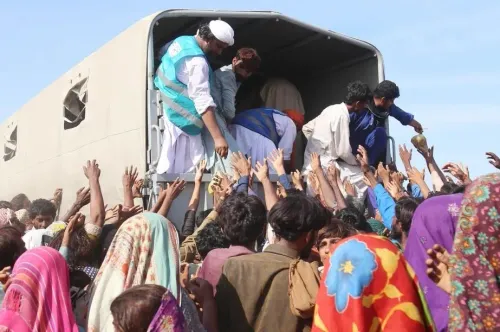
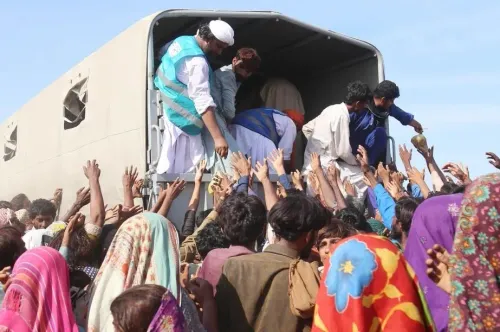
The catastrophic floods of 2022 and 2025 destroyed crops, displaced communities and damaged supply chains, while simultaneously cutting off access to nutrition and healthcare services, the report noted.
Contaminated Water and Child Health
A particularly alarming finding is that around 58 per cent of household water in Pakistan is contaminated with coliform bacteria. This exposes children to recurrent diarrhoeal and intestinal infections that impair nutrient absorption even when food is available — creating a cycle where dietary access alone cannot resolve malnutrition.
Nutrition experts cited in the report warned that poor maternal nutrition, low rates of exclusive breastfeeding, inadequate complementary feeding practices and a high burden of infectious diseases are all compounding child malnutrition rates.
Inflation Deepening Nutritional Deficits
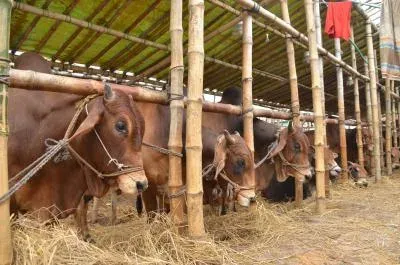
Rising inflation has further eroded the quality and quantity of food that households can afford, pushing families toward cheaper, carbohydrate-rich diets. This shift is driving deficiencies in critical micronutrients — including iron, zinc, Vitamin A, calcium and protein — with long-term consequences for workforce health and productivity.
Persistent poverty and food insecurity, according to nutrition experts cited in the report, continue to force many families into low-cost diets that provide calories but lack essential nutrients.
Structural Failures in Policy and Spending
The report flags a critical governance gap: Pakistan's nutrition spending remains fragmented across sectors — health, agriculture, education and social protection — with no dedicated budget framework to ensure accountability or measurable impact. This siloed approach means interventions are rarely coordinated, and outcomes are difficult to track.
Chronic malnutrition during the first 1,000 days of life, the report warns, can result in stunting, impaired cognitive development, lower educational attainment and reduced economic productivity in adulthood — locking in intergenerational poverty.
What Needs to Change
Analysts argue that without a unified national nutrition strategy backed by ring-fenced funding, Pakistan risks perpetuating the very cycle of low productivity and healthcare costs that the $17 billion annual loss reflects. The convergence of climate vulnerability, water contamination and inflation makes the window for intervention increasingly narrow.
Point of View
But the more troubling detail is structural: Pakistan has no dedicated nutrition budget framework, meaning the crisis is being managed in silos across health, agriculture and social protection ministries with no unified accountability. Climate vulnerability compounds this — a country responsible for under 1% of global emissions is absorbing outsized climate costs that directly translate into food and nutrition shocks. Until nutrition spending is ring-fenced and outcomes are independently measured, the $17 billion loss will recur regardless of how many reports are published.
NationPress
22 Jun 2026
Frequently Asked Questions
How much does malnutrition cost Pakistan each year?
Malnutrition costs Pakistan an estimated $17 billion annually, according to a report by The Express Tribune. The losses stem from reduced productivity, higher healthcare expenditure, poor educational outcomes and premature deaths.
Why is malnutrition so severe in Pakistan?
Multiple factors drive the crisis: climate-related floods and droughts disrupt food systems, around 58% of household water is contaminated with coliform bacteria, and rising inflation is pushing families toward cheaper, nutrient-poor diets. Fragmented government spending with no dedicated nutrition budget further limits the effectiveness of interventions.
How have Pakistan's floods worsened malnutrition?
The devastating floods of 2022 and 2025 destroyed crops, displaced communities and damaged supply chains, while also cutting off access to nutrition and healthcare services. These shocks have compounded pre-existing food insecurity across vulnerable populations.
What is the impact of malnutrition on Pakistani children?
Chronic malnutrition during the first 1,000 days of life can cause stunting, impaired cognitive development and lower educational attainment, reducing economic productivity in adulthood. Contaminated water and high rates of infectious disease further hinder nutrient absorption even when food is available.
What policy gaps does the report identify?
The report flags that Pakistan's nutrition spending is fragmented across health, agriculture, education and social protection sectors, with no dedicated budget framework to ensure accountability and measurable impact. Experts argue a unified national nutrition strategy with ring-fenced funding is essential to break the cycle.