Philippines' Strategic Triumph Over Chinese Coercion at Second Thomas Shoal
Synopsis
Explore how the Philippines has effectively countered China's coercive tactics in the South China Sea, showcasing resilience, strategic military moves, and political leadership. This article delves into the complexities of the ongoing tensions and the implications for future negotiations.
Key Takeaways
Philippines displayed resilience against Chinese coercion.
Political leadership and military strategy played crucial roles.
International support was vital in reinforcing the Philippines’ position.
Coercion's effectiveness diminishes when objectives are not met.
Extended tensions can create avenues for future negotiations.
Beijing/Manila, April 4 (NationPress) The temporary agreement reached between the Philippines and China regarding the disputed Second Thomas Shoal in the South China Sea highlights how Manila has effectively resisted Chinese pressure through steadfast determination, political leadership, support from allies, strategic military actions, and the public's readiness to accept the costs associated with a controlled escalation.
“Chinese pressure was mitigated by the Philippines' resilience that rendered it ineffective. The nation did not prevail over Second Thomas Shoal merely through loud statements or diplomatic finesse as outlined in the Provisional Understanding. Instead, the Philippines demonstrated a remedy to coercion through quiet steadfastness: a President who stood firm, an alliance that provided visible support at sea, a military that made tactical decisions, and a populace willing to bear the weight of a managed escalation,” a report from The Diplomat elaborated.
“Eventually, China may attempt to modify or abandon this arrangement. The pivotal question remains whether Manila will possess the same strength to resist and endure when that moment arrives,” it added.
As the report indicates, the events leading to the provisional understanding in July 2024 show that the Philippines' response to China's coercive tactics was not defined by overt transparency or subtle diplomacy but by national resilience – “a state's commitment to uphold its proclaimed interests or policies despite rising costs and increasing pressures to retreat.”
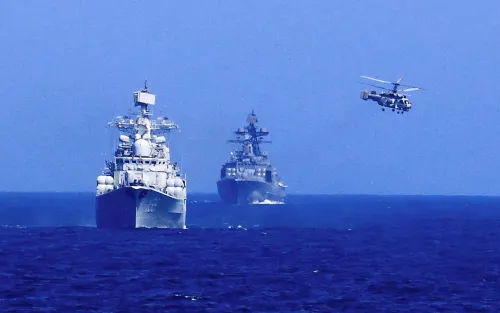
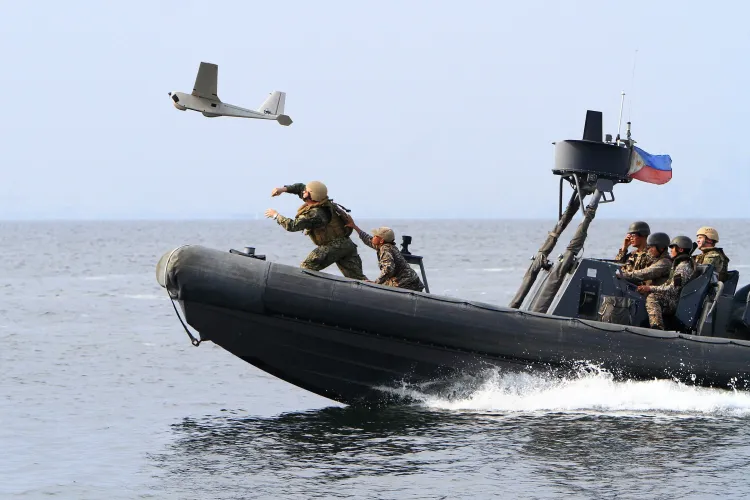
“In the months preceding June 17, 2024, Chinese naval forces intensified their pressure around Second Thomas Shoal, starting with military lasers and escalating to treacherous maneuvers, water cannon assaults, and ramming incidents. Ultimately, on June 17, 2024, this coercion culminated in the aggressive boarding of a Philippine Navy vessel, resulting in injuries to personnel. Throughout this period, the Philippines engaged in both assertive transparency and cautious diplomacy,” it continued.
“The transparency initiative began as early as August 2023 with the first of what became routine resupply missions to BRP Sierra Madre at Second Thomas Shoal. This proved beneficial in attributing actions and countering Chinese misinformation. It provided Western allies with evidence to garner support and reaffirmed the Philippines’ refusal to comply with coercive demands,” it stated.
The report emphasized that the current situation does not indicate the Philippines' submission to Chinese coercion.
Instead, the agreement emerged because Chinese coercion failed to achieve its intended objectives at a tolerable cost. As the risks and costs of further violent confrontations increased, both parties opted for a temporary operational understanding.
“The strategic takeaway from the Provisional Understanding is that Philippine interests in Second Thomas Shoal were preserved when demonstrated national resolve successfully curtailed the effectiveness of Chinese coercion. In essence, coercion loses its power if Manila successfully thwarts the achievement of its goals. Extended tension is not always detrimental—it can actually create the conditions necessary for future negotiations,” it underscored.
Point of View
The situation emphasizes the Philippines' steadfast approach in defending its territorial integrity against external pressures. The successful navigation of this geopolitical challenge reflects a commitment to national interests and the importance of strategic alliances.
NationPress
10 Oct 2026
Frequently Asked Questions
What is the significance of the Second Thomas Shoal?
The Second Thomas Shoal is a strategically important area in the South China Sea, serving as a focal point for territorial disputes involving the Philippines and China.
How did the Philippines respond to Chinese coercion?
The Philippines countered Chinese coercion through a combination of political leadership, military strategy, support from allies, and public resilience.
What does the Provisional Understanding entail?
The Provisional Understanding is a temporary agreement aimed at managing tensions between the Philippines and China regarding the Second Thomas Shoal.
What role did international allies play in this situation?
International allies provided critical support to the Philippines, validating its stance and reinforcing its resolve against Chinese coercion.
What are the potential future implications of this situation?
The ongoing tensions may reshape future negotiations in the region, impacting diplomatic relations and territorial claims.