China-Myanmar-Bangladesh corridor: Report flags security risks
Synopsis
China wants a Kunming-to-Kyaukphyu route extending by sea to Bangladesh, but the land link runs through Rakhine, where the Arakan Army controls most territory. A Dhaka report warns Bangladesh against committing without feasibility studies, safeguards and consultation with India, which the corridor leaves out entirely.
Key Takeaways
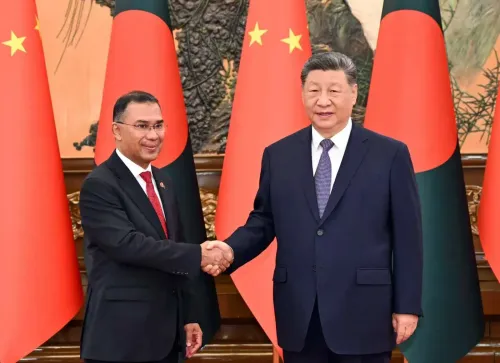
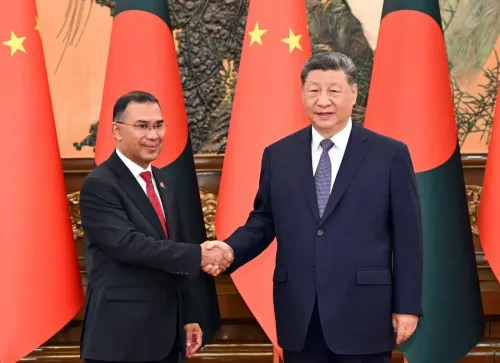
The CMBC proposal emerged at Tarique Rahman's meeting with Xi Jinping in Beijing on 26 June 2026 .
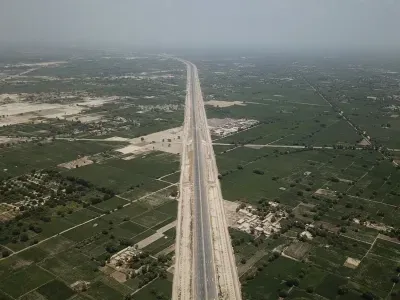
China outlined a link from Kunming through Myanmar to Kyaukphyu , then by sea to Bangladesh.
The route, port, cargo volume and transport arrangements remain unsettled.
The Arakan Army controls most of Rakhine State , making Myanmar the project's biggest practical hurdle.
The framework excludes India , which may view a larger Chinese presence in the Bay of Bengal with concern.
The report urges a feasibility study, transparent financing, data and port safeguards, and consultation with India and Japan .
The proposed China-Myanmar-Bangladesh Economic Corridor (CMBC) carries serious security and geopolitical risks that Bangladesh should weigh before committing, according to a report published in Dhaka on 28 November 2026. The report, carried by the leading Bangladeshi newspaper The Daily Observer, cautioned that the project's economic appeal should not overshadow the realities of a route through a conflict-ridden region amid major power rivalry.
It urged Dhaka not to sign on to the project without a clear assessment of its potential costs and consequences.
How the Corridor Proposal Emerged
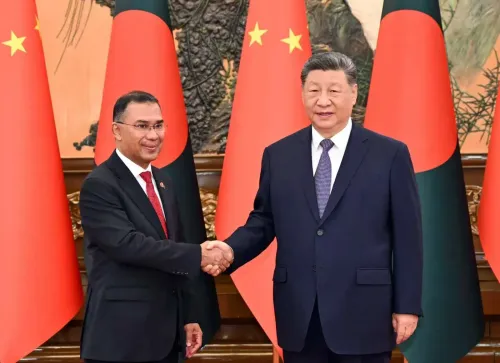
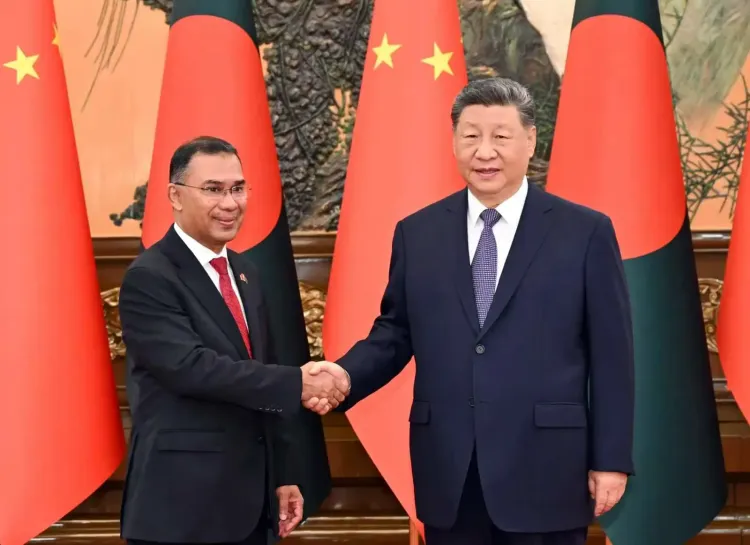
The idea surfaced during Prime Minister Tarique Rahman's meeting with Chinese President Xi Jinping in Beijing on 26 June 2026. According to the report, China outlined a possible link from Kunming, in Yunnan province, through Myanmar to Kyaukphyu, followed by a sea connection to Bangladesh.
Key details are still open. “But the route, Bangladeshi port, cargo volume and transport arrangements remain unsettled,” the report said.
China's Strategic Calculus
The report framed the corridor as part of Beijing's broader push for access to the Indian Ocean. “For China, the project fits a wider effort to secure access to the Indian Ocean. Beijing has invested in the deep-sea port and special economic zone at Kyaukphyu,” it noted.
It added that oil and gas pipelines from the Myanmar coast to Yunnan are already operational, giving China an energy route that does not depend entirely on the Strait of Malacca. “A link to Bangladesh could extend this network and strengthen trade as well as strategic access across the Bay of Bengal. These would bring China strategic gains,” the report said.
Myanmar Conflict the Biggest Hurdle
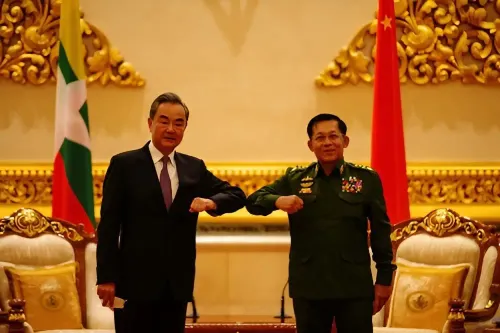
According to the report, Myanmar remains the most significant practical obstacle. The country has been mired in conflict since the military takeover in 2021.
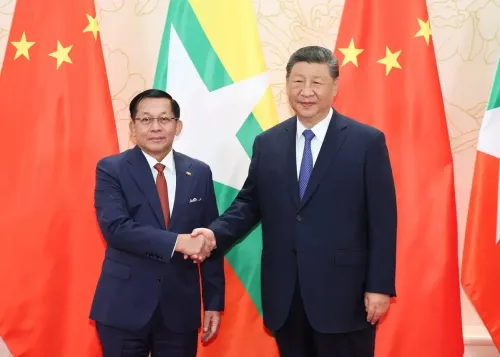
“The Arakan Army controls most of Rakhine State, while the military retains some coastal positions, including around Kyaukphyu. Fighting has continued near strategic locations,” it said. The report argued that any route through the territory would need the consent of those actually in control, along with reliable security arrangements, and that “an agreement with Myanmar’s military government alone may not be enough.”
Notably, it warned that “until a durable political settlement emerges, the land connection will remain exposed to disruption.”
India Factor and Regional Concerns
The report stressed that India's interests cannot be ignored, since the framework as outlined links China, Myanmar and Bangladesh while leaving New Delhi out. Although the Chinese Ambassador said other countries, including India, would be welcome to join, the report noted that New Delhi may still view an expanded Chinese presence near its eastern approaches and the Bay of Bengal with concern.
“Bangladesh has every right to pursue Chinese investment. But it cannot afford sources of mistrust with its largest neighbour. The answer is transparency, regional and extra-regional consultation,” it said.
Safeguards Recommended for Dhaka
The report laid out a checklist before any commitment: “Bangladesh should require a feasibility study, cost-benefit assessment and transparent financing before making commitments.” It also called for safeguards covering ports, telecommunications and commercial data, along with an assessment of environmental and social costs.
It further urged consultations with India, Japan and other extra-regional partners, and engagement with all relevant actors in Myanmar. “Any agreement must protect the sovereignty of Bangladesh and allow it to be reviewed if security conditions change,” it said.
How the Tarique Rahman government responds to these warnings will shape whether the CMBC moves from a Beijing talking point to a binding commitment, and how it affects Dhaka's balancing act between China and India.
Point of View
Not New Delhi, is pointing out that the corridor serves Beijing's Malacca-bypass strategy more clearly than Bangladesh's own trade needs. A land route that depends on the consent of the Arakan Army, not just Myanmar's junta, is a security gamble before it is an infrastructure project. For India, the bigger issue is not this one corridor but a pattern of being designed out of eastern connectivity frameworks, even as its own Kaladan-linked projects in Rakhine face the same instability. If Dhaka insists on transparency and reviewable terms, it protects its sovereignty. If it does not, the Bay of Bengal becomes another arena of quiet strategic encirclement.
NationPress
28 Nov 2026
Frequently Asked Questions
What is the China-Myanmar-Bangladesh Economic Corridor?
It is a proposed route linking Kunming in China's Yunnan province through Myanmar to Kyaukphyu port, followed by a sea connection to Bangladesh. The route, Bangladeshi port, cargo volume and transport arrangements remain unsettled.
When was the CMBC proposal made?
The proposal emerged during Bangladesh Prime Minister Tarique Rahman's meeting with Chinese President Xi Jinping in Beijing on 26 June 2026.
Why is Myanmar a hurdle for the corridor?
Myanmar has been in conflict since the 2021 military takeover, and the Arakan Army controls most of Rakhine State, where the route would pass. The report says an agreement with the military government alone may not be enough to secure the route.
Why does the corridor matter to India?
The framework connects China, Myanmar and Bangladesh while leaving India out. New Delhi may view an expanded Chinese presence near its eastern approaches and the Bay of Bengal with concern, though China's ambassador has said India would be welcome to join.
What does the report recommend for Bangladesh?
It recommends a feasibility study, a cost-benefit assessment and transparent financing before any commitment. It also calls for safeguards on ports, telecommunications and data, and consultation with India, Japan and actors in Myanmar.