Pakistan military's grip on politics, economy and media laid bare in report
Synopsis
A UCA News report lays out the full architecture of Pakistan's military dominance — from embedded officers in civilian ministries and cabinet to covert media control via ISPR and the use of NAB as a political weapon. The Imran Khan saga is presented not as exceptional, but as the latest chapter in a decades-long pattern that has prevented every single Pakistani PM from completing a full term.
Key Takeaways
Pakistan's military has personnel embedded in the civil bureaucracy and federal cabinet , according to a UCA News report.
No Pakistani Prime Minister has ever served a full five-year constitutional tenure ; more than six premiers were forced out in the country's first two decades alone.
The National Accountability Bureau (NAB) has reportedly been used to target politicians, bureaucrats, and business figures at the military's behest.
The Inter-Services Public Relations (ISPR) allegedly exerts covert control over media houses, punishing outlets that do not comply.
Military officers have been appointed to civilian institutions, raising concerns about the erosion of constitutional separation between the armed forces and elected governance.
The detention of former PM Imran Khan , including denial of preferred medical access, is cited as consistent with long-standing military tactics against political opponents.
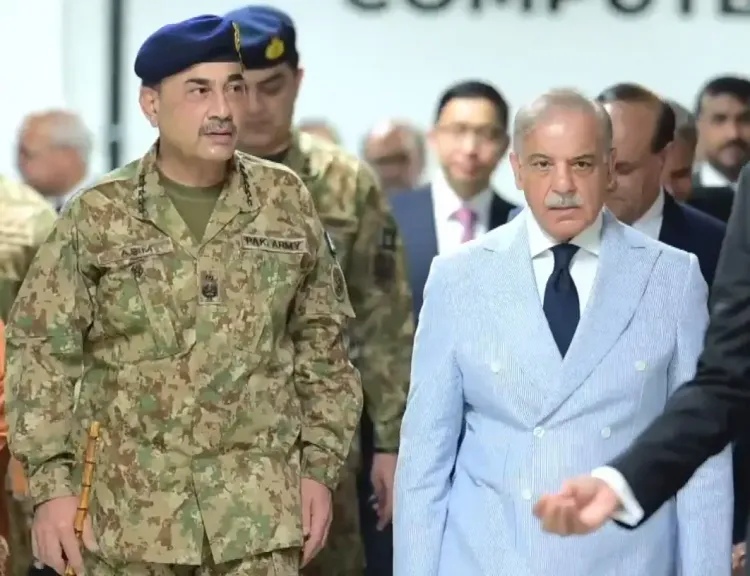
Pakistan's powerful military extends its influence far beyond the security establishment, embedding personnel in the civil bureaucracy and federal cabinet while exerting control over foreign policy, the economy, and key civilian institutions, according to a detailed report by the Union of Catholic Asian (UCA) News. The findings paint a structural portrait of a democracy where elected governments operate under the military's shadow.
A Democracy in Name Only
The report highlights a recurring irony at the heart of Pakistani governance: Prime Ministers who attempt to act as the country's true chief executives routinely face serious political repercussions. According to the report, during Pakistan's first two decades, more than six Prime Ministers were forced from office before completing their terms, and no premier has ever served a full five-year constitutional tenure.
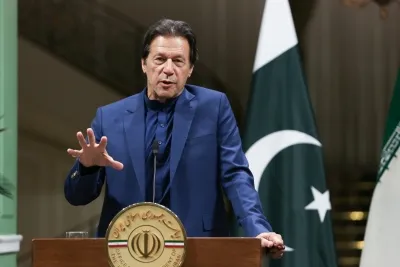
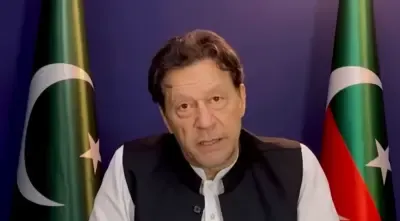
The prolonged detention of former Prime Minister Imran Khan — including the denial of access to a hospital of his choice for medical treatment — is cited as the latest, though far from unique, instance of this pattern. 'The registration of concocted cases against politicians, throwing them behind bars, and putting restrictions on their media appearances are some of the tactics that the country's powerful military has been employing for years now,' the report stated.
Institutions Weaponised Against Political Opponents
The report details how civilian institutions have, over time, been shaped to serve military interests. The National Accountability Bureau (NAB), Pakistan's anti-corruption watchdog, has allegedly been deployed to target politicians, bureaucrats, and business figures perceived as threats. At the provincial level, the Counter Terrorism Department is believed to be operating in alignment with military priorities, the report noted.
Concerns have also been raised about military and intelligence agencies' access to state data and their reported capacity to monitor political opponents and critics — a capability that critics argue fundamentally compromises democratic accountability.
Media and Political Parties Under Military Influence
The report alleges that the federal information ministry operates under heavy influence from the military's media wing, the Inter-Services Public Relations (ISPR), which reportedly covertly controls media houses and punishes those that do not fall in line. According to the report, 'Almost all political parties in Pakistan now have figures in them that are widely considered to have links with the military establishment. They can be forced to leave their party at any time at the will of the army.'
Military Officers in Civilian Roles
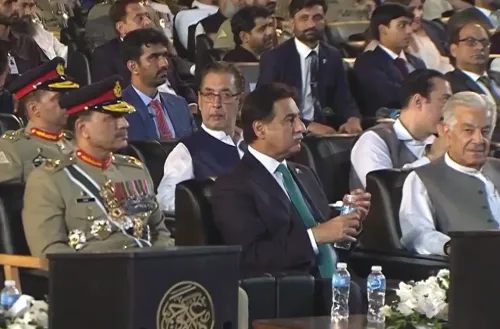
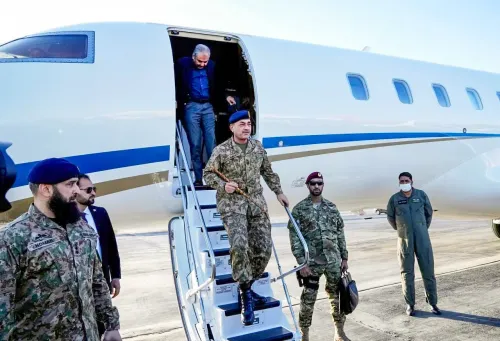
Military officers have been appointed to civilian institutions, raising questions about the depth of military penetration into public administration, according to the report. Critics argue this blurs the constitutional separation between the armed forces and elected governance — a concern that has grown louder in recent years amid international scrutiny of Pakistan's democratic credentials.
Broader Pattern and What It Means
This comes amid sustained international attention on Pakistan's civil-military balance, particularly as the country navigates economic instability and a contentious political climate following the ouster and imprisonment of Imran Khan. The UCA News analysis suggests the current situation is not an aberration but a continuation of decades-old structural arrangements. How — or whether — Pakistan's civilian institutions can recalibrate this balance remains the central question for the country's democratic future.
Point of View
But for documenting its systemic breadth at a moment of peak international visibility. What is often framed as a political crisis around Imran Khan is, in this reading, simply the latest iteration of an arrangement that has never truly been disrupted. The deeper question the report leaves unanswered is structural: with every major institution — NAB, ISPR, provincial counter-terrorism bodies, political parties — allegedly shaped to serve military interests, Pakistan's democratic reformers face not a rogue actor but an entrenched ecosystem. India, which shares a contested border and a complicated diplomatic history with Pakistan, has a direct strategic interest in how this civil-military imbalance evolves.
NationPress
25 Sept 2026
Frequently Asked Questions
What does the UCA News report say about Pakistan's military influence?
The report states that Pakistan's military extends well beyond the security establishment, embedding personnel in the civil bureaucracy and federal cabinet, controlling key civilian institutions, shaping foreign policy, and exercising covert influence over media. It describes this as a decades-old structural arrangement rather than a recent development.
Why has no Pakistani Prime Minister ever completed a full term?
According to the report, the military's entrenched hold on power means that premiers who attempt to act as the country's true chief executives face serious repercussions. More than six Prime Ministers were forced from office in Pakistan's first two decades, and the pattern has continued since.
How is the National Accountability Bureau linked to military influence?
The report alleges that NAB, officially an anti-corruption watchdog, has been used to target politicians, bureaucrats, and business figures at the military's behest. Critics argue this makes it an instrument of political coercion rather than genuine accountability.
How does Pakistan's military reportedly control the media?
According to the report, the federal information ministry is heavily influenced by the military's media wing, the Inter-Services Public Relations (ISPR), which allegedly covertly controls media houses and punishes those that do not align with the military's interests.
How does Imran Khan's detention fit into this pattern?
The report frames Imran Khan's prolonged incarceration and denial of preferred medical access as consistent with longstanding military tactics — not as an exceptional case. It notes that the registration of cases against politicians, detention, and media restrictions are tools the military has used against multiple political figures over the years.