Russia plague case: Rubio says US watching 'hour by hour', urges transparency
Synopsis
A suspected fatal plague case linked to a laboratory in Siberia has put the US and international agencies on high alert. Secretary of State Marco Rubio’s ‘hour by hour’ watch signal—combined with a pointed demand for Russian transparency—suggests Washington is taking the episode seriously even as it stops well short of drawing any public conclusions.
Key Takeaways
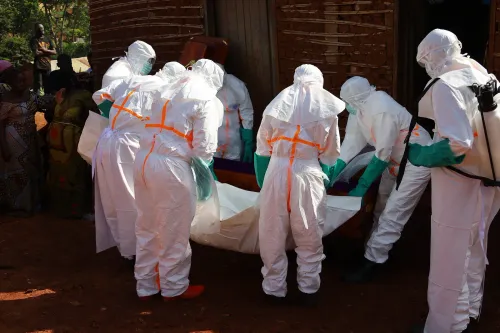
US Secretary of State Marco Rubio confirmed on 7 October 2026 that Washington is monitoring a suspected plague case in Russia “hour by hour.” The case reportedly involves a fatality linked to a laboratory setting in Siberia , though details remain limited.
Rubio declined to speculate on whether an intentionally modified pathogen strain could be involved, calling such speculation “irresponsible” at this stage.
Multiple US and international agencies are engaged in monitoring the situation.
Rubio called on Russia to “share more information with the world” to enable an appropriate global response.
The US says contingency measures are already in place should the situation prove more serious than currently acknowledged.
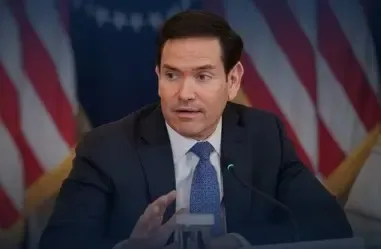
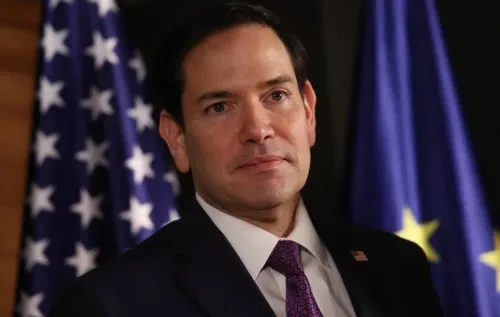
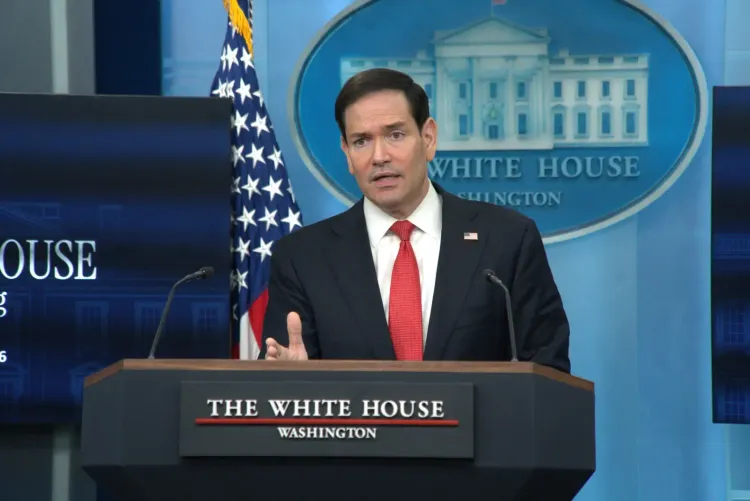
US Secretary of State Marco Rubio on 7 October 2026 said Washington and multiple international agencies are tracking a suspected plague case in Russia “hour by hour,” while pressing Moscow to share more information with the world. Rubio made the remarks during a joint press availability with Icelandic Foreign Minister Thorgerdur Katrin Gunnarsdottir in Reykjavik, as global concern mounted over a reportedly fatal suspected plague infection linked to a laboratory setting in Siberia.
What Rubio Said
Speaking cautiously, Rubio declined to speculate on whether the case could involve an accidental release of an intentionally modified pathogen strain. “It would be irresponsible for me here to sit and speculate because we just don’t have all the information yet,” he said. He acknowledged that laboratory-linked disease cases anywhere in the world are inherently cause for concern: “Any time you hear that there’s some disease that infected someone in a lab anywhere in the world, you’re going to be concerned about it.”
Rubio stressed that the United States had not yet reached any conclusion about the nature or severity of the incident. “Maybe, you know, there’s nothing there. Maybe it’s bigger than we thought. We don’t know,” he said, adding that the level of response would depend on what further information reveals.
Call for Russian Transparency
A central theme of Rubio’s remarks was the demand for openness from Russia. “I think it’s incumbent upon Russia to obviously share more information with the world. That’s what they should do. That’s what we hope they will do,” he said. He noted that greater transparency from Moscow would allow global health authorities to calibrate an appropriate response. This comes amid longstanding tensions between Washington and Moscow over information-sharing on biosecurity matters, a concern that gained international prominence during earlier disease outbreaks.
Measures Already in Place
Rubio indicated that the US is not waiting passively. “We already have measures in place to be able to address it if it’s something more serious than what so far has been acknowledged,” he said. He confirmed that “multiple agencies, not just in the United States but internationally” are involved in the monitoring effort. Notably, available information remained “quite limited” at the time of his remarks, though he expressed hope that would “change in the next few hours and days.”
Background and Context
Plague, caused by the bacterium Yersinia pestis, is considered one of the world’s most dangerous infectious diseases historically, though it is now treatable with antibiotics if caught early. Russia maintains extensive Soviet-era biological research infrastructure, and any suspected laboratory-linked case draws heightened international scrutiny. The incident in Siberia has not been officially confirmed or detailed by Russian authorities, which is itself a point of concern for Western governments. This is the latest in a series of episodes that have tested trust between Moscow and international public-health bodies.
What Happens Next
The international community, including US agencies and global health bodies, will continue monitoring developments closely. Rubio signalled that the nature of any formal response—diplomatic or otherwise—would be contingent on the information that emerges. “We’re watching it very closely, and I think the whole world is watching it very closely because depending on what we learn about it, we would know how to respond,” he said. All eyes are now on whether Moscow will provide the transparency that Washington and international partners are calling for.
Point of View
Even without a confirmed link to a modified strain, points to a worst-case framing that is deliberately being kept open. Moscow’s silence is itself the story: the absence of Russian transparency is the single variable that most determines how far global anxiety escalates. For a world still recalibrating trust in international disease-reporting systems, this episode arrives at the worst possible moment for Russia-West biosecurity cooperation.
NationPress
7 Oct 2026
Frequently Asked Questions
What is the suspected plague case in Russia that the US is monitoring?
It is a reportedly fatal suspected plague infection linked to a laboratory setting in Siberia, Russia. Details remain limited as Russian authorities have not publicly confirmed or elaborated on the incident, prompting concern from the US and international health agencies.
What did US Secretary of State Marco Rubio say about the Russia plague case?
Rubio said the US and multiple international agencies are monitoring the situation ‘hour by hour’ and called on Russia to share more information with the world. He declined to speculate on whether a modified pathogen strain was involved, saying available information was still too limited to draw conclusions.
Could this plague case involve a modified or engineered pathogen?
Rubio said it would be premature and irresponsible to speculate on that question given the limited information available. He acknowledged the concern is inherent whenever a laboratory-linked disease case is reported anywhere in the world, but the US has not reached any conclusion on the matter.
What measures does the US have in place?
Rubio confirmed that contingency measures are already in place should the situation prove more serious than currently acknowledged. Multiple US and international agencies are engaged in monitoring, and the scope of any formal response will depend on the information that emerges in the coming hours and days.
Why is Russia being asked for transparency on the plague case?
Rubio argued that Russia is obligated to share information so that the global community can react ‘accordingly and appropriately.’ The call reflects broader concerns about Moscow’s track record on biosecurity disclosure and echoes longstanding Western demands for openness on disease incidents originating in Russian research facilities.