Russia backs Cuba at UN as 130 nations vote to lift US embargo
Synopsis
The UN General Assembly voted 130-17 to demand an end to the US embargo on Cuba, with Russia pledging full support and India also backing the resolution. The same day, the US expelled a Cuban diplomat for allegedly confronting an American official — a rare on-ground escalation that underlines just how fraught US-Cuba relations have become.
Key Takeaways
The UN General Assembly on 30 October voted 130-17 (25 abstentions) to demand an end to the US embargo on Cuba .
Russia warned that Cuba's worsening crisis could trigger a mass regional migration crisis .
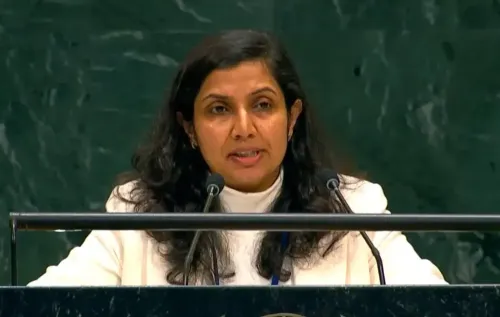
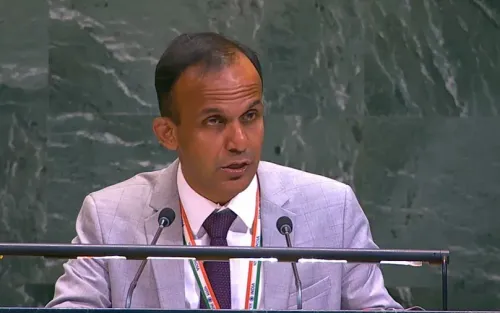
India's UN Mission counsellor Soumya Nair reaffirmed New Delhi's opposition to laws with extraterritorial effects on other nations' sovereignty.
The US expelled Cuban mission First Secretary Richard Tur de la Concepcion over an alleged physical confrontation with a US diplomat.
The embargo, in place since the early 1960s , can only be lifted by action from the US Congress and executive, limiting the resolution's immediate impact.
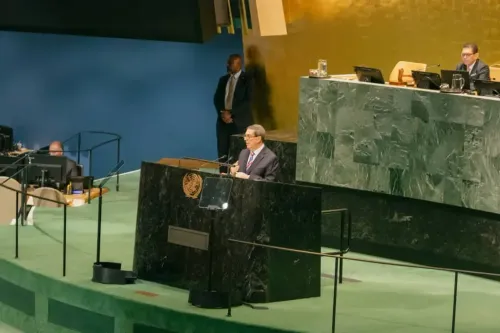
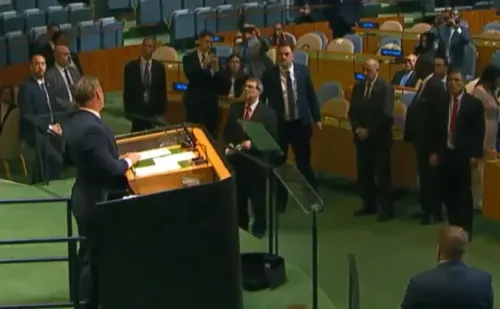
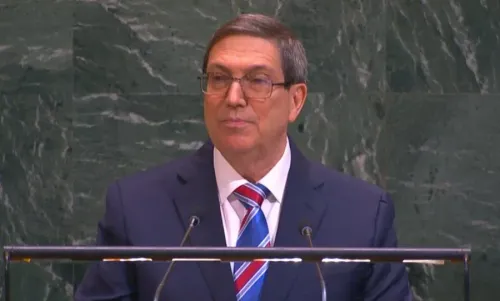
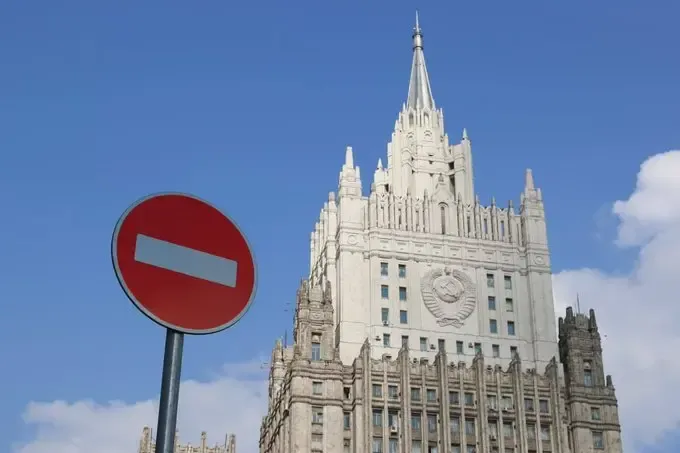
Russia has pledged continued support for Cuba in its decades-long push to end the US economic, commercial and financial embargo, the Russian Ministry of Foreign Affairs announced on 30 October. The pledge came as the United Nations General Assembly voted overwhelmingly — 130 in favour, 17 against, and 25 abstentions — to adopt a resolution calling for the embargo's immediate end.
India also voted in favour of the resolution, reiterating its opposition to laws that 'adversely affect the sovereignty' of other nations.
Russia's Position and Warning
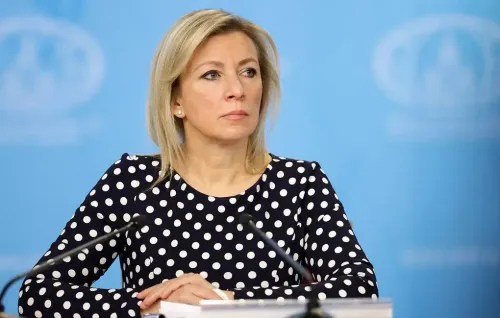
Moscow's foreign ministry described the vote as reaffirming 'the international community's near-unanimous and resolute condemnation of the illegal and inhumane embargo against Havana.' The ministry characterised this year's situation as an 'unprecedented escalation of economic and military pressure on Cuba,' compounded by an energy blockade that has reportedly pushed ordinary Cubans to the brink of survival.
Russia warned that a socioeconomic collapse in Cuba could trigger a mass exodus to neighbouring countries, precipitating a major regional migration crisis. Moscow's position, the ministry stated, 'remains unchanged,' pledging to work with Cuba and the broader international community for a 'swift, complete and unconditional lifting of the embargo.'
India's Stand at the General Assembly
Soumya Nair, a counsellor in India's UN Mission, addressed the Assembly ahead of the vote, stating that New Delhi backs the call on all countries to reject 'laws and regulations with extraterritorial effects that adversely affect the sovereignty of other states and the progress and prosperity of their peoples.' India reiterated the Assembly's call for all states to 'refrain from promulgating and applying, and to repeal and invalidate such laws and measures in conformity with their obligations under the Charter of the United Nations and International Law.'
Diplomatic Flashpoint: US Expels Cuban Official
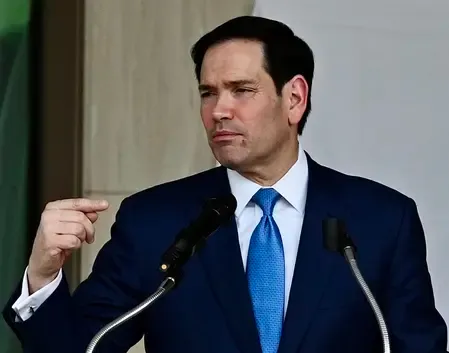
Tensions between Washington and Havana sharpened further on the same day when the United States expelled the Cuban mission's First Secretary Richard Tur de la Concepcion, reportedly for allegedly physically confronting a US diplomat during a prior incident, according to officials. The expulsion added a sharp diplomatic edge to an already charged day at the UN.
Historical Context and What Comes Next
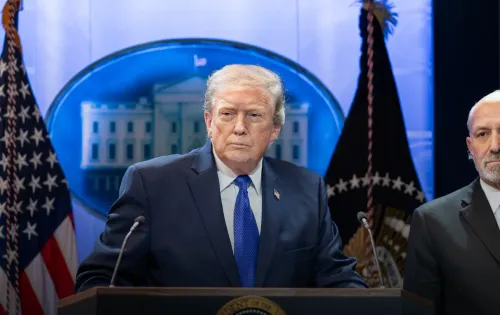
The annual UN General Assembly vote on the Cuban embargo has consistently drawn overwhelming majorities in favour of lifting it, yet the embargo — first imposed in the early 1960s — remains in place, as it requires action from the US Congress and executive. This year's 130-17 vote margin underscores the growing international consensus against the measure, even as Washington shows no immediate sign of reversing course.
This comes amid a broader pattern of US-Cuba friction that has intensified in recent years, with energy shortages on the island drawing renewed concern from Moscow and other allied governments. Whether the latest UN mandate translates into any diplomatic movement remains to be seen, but the vote hands Cuba and its allies a fresh platform to press their case globally.
Point of View
And each time it has changed nothing, because lifting the embargo requires the US Congress, not a UN vote. What is different this year is Russia's explicit warning of a migration crisis, which reframes the issue from a bilateral US-Cuba dispute into a regional stability concern. India's vote and statement are notable: New Delhi is threading a careful needle, opposing extraterritorial sanctions on principle without directly naming Washington — a posture consistent with its strategic autonomy doctrine. The diplomatic expulsion of a Cuban official on the same day as the vote is either a coincidence or a deliberate signal; either way, it indicates that US-Cuba tensions are entering a new, more confrontational phase.
NationPress
30 Oct 2026
Frequently Asked Questions
What did the UN General Assembly vote on Cuba's US embargo?
On 30 October, the UN General Assembly adopted a resolution calling for an end to the US economic, commercial and financial embargo on Cuba, with 130 votes in favour, 17 against, and 25 abstentions. The resolution is non-binding and has been passed in similar form almost every year for decades.
Why is Russia supporting Cuba on the embargo issue?
Russia's foreign ministry has characterised the US embargo as 'illegal and inhumane' and warned that the ongoing economic and energy crisis in Cuba could cause a mass migration crisis in the region. Moscow has pledged to work with Cuba and the international community for the embargo's 'swift, complete and unconditional' lifting.
How did India vote on the Cuba embargo resolution?
India voted in favour of the UN resolution. India's UN Mission counsellor Soumya Nair stated that New Delhi rejects laws with extraterritorial effects that adversely affect the sovereignty of other states, framing the vote as a matter of international law and principle.
Who is Richard Tur de la Concepcion and why was he expelled?
Richard Tur de la Concepcion is the First Secretary of Cuba's US mission. The United States expelled him on 30 October, reportedly for allegedly physically confronting a US diplomat during a prior incident, according to officials. The expulsion escalated diplomatic tensions on the same day as the UN vote.
Can the UN resolution actually lift the US embargo on Cuba?
No. The General Assembly resolution is non-binding and carries no legal mechanism to force the United States to act. Lifting the embargo requires legislation passed by the US Congress and signed by the president, making any change dependent entirely on domestic US political will.