Samsung strike looms: South Korea's Lee backs management rights alongside labour
Synopsis
With Samsung's union demanding up to 45 trillion won in bonuses — more than four times last year's total shareholder dividends — South Korean President Lee Jae Myung has stepped in publicly, defending management rights alongside labour rights and warning against overreach. A government emergency arbitration order could be next if Thursday's strike goes ahead.
Key Takeaways
President Lee Jae Myung posted on X on 18 May calling for management rights to be respected equally alongside labour rights.
Samsung Electronics faces an 18-day strike starting Thursday if last-minute talks fail.
The union is reportedly demanding 15 per cent of operating profits as performance bonuses — potentially 45 trillion won ($29.9 billion) annually.
That figure is more than four times Samsung's total shareholder dividend payout last year.
Prime Minister Kim Min-seok warned of serious economic damage and raised the possibility of emergency arbitration , which can suspend strikes for up to 30 days under South Korean law.
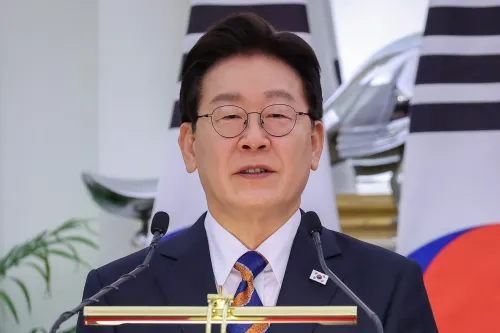
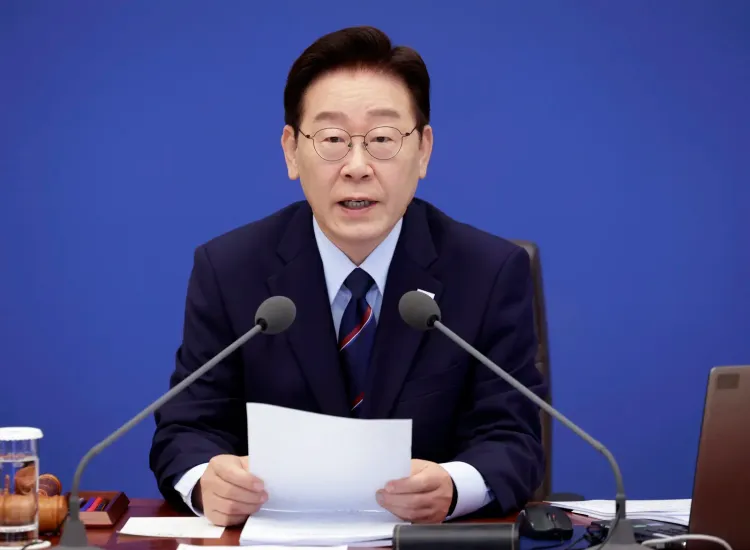
South Korean President Lee Jae Myung on Monday, 18 May publicly called for corporate management rights to be respected on equal footing with labour rights, as Samsung Electronics and its unionised workers entered last-minute negotiations to avert an 18-day strike scheduled to begin Thursday. The statement, posted directly on Lee's X account, signals an unusually direct presidential intervention in a dispute that has rattled South Korea's industrial establishment.
What Lee Said
'In South Korea, which has adopted the basic orders of democracy and free market economy, labour should be respected as much as companies, and corporate management rights should also be respected as much as labour rights,' Lee wrote in his post. He added that workers are entitled to fair compensation, while shareholders are entitled to a share of profits in return for bearing risks and losses — framing the dispute in terms of constitutional balance rather than taking either side outright.
Lee also cited constitutional limits, noting that 'although the basic rights of all people are guaranteed under the Constitution, they may be restricted for the sake of public welfare within the limits that do not undermine their essential foundations.' He warned that overreach could produce negative consequences, urging solidarity, responsibility, and shared prosperity.
The Dispute at the Centre
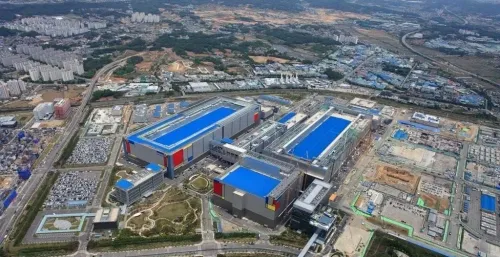
The standoff between Samsung Electronics management and its union is rooted in performance-based bonuses tied to the company's record earnings from the artificial intelligence (AI)-driven semiconductor business. The union is reportedly demanding 15 per cent of the company's operating profits as bonus pay. Given Samsung's record-breaking semiconductor revenues, that figure could amount to as much as 45 trillion won (approximately $29.9 billion) annually — more than four times the dividends paid to all shareholders last year, and significantly higher than projected dividend payouts for the current year. Management and the union have remained far apart, with no agreement in sight as of Monday.
Government's Warning and Legal Options
Lee's intervention came a day after Prime Minister Kim Min-seok warned that a potential strike could cause 'serious damage to the national economy,' adding that the government 'will have no choice but to consider all possible response measures, including emergency arbitration, in order to protect the economy.' Under South Korean labour law, the labour ministry holds the authority to invoke an emergency adjustment measure that can suspend collective action for up to 30 days if a strike is deemed likely to cause serious harm to the national economy or disrupt citizens' daily lives.
Why This Matters
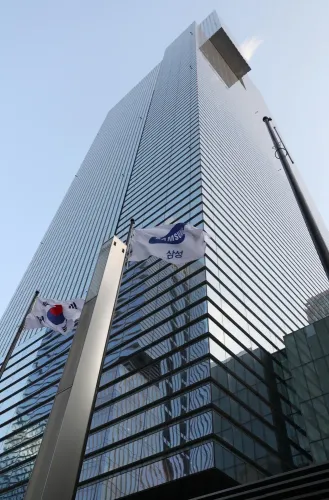
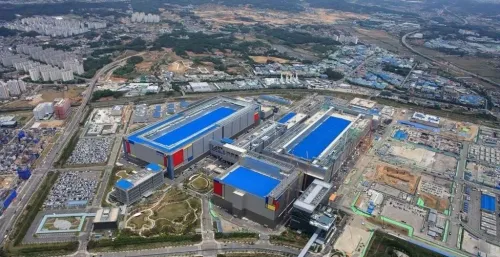
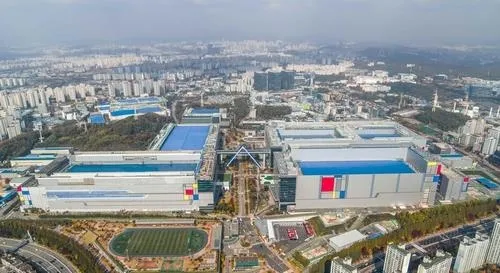
Samsung Electronics is not just South Korea's largest company — it is a cornerstone of the country's export economy. A prolonged strike in its semiconductor division, at a time when global AI demand is driving unprecedented chip orders, could have cascading effects on supply chains and South Korea's trade balance. Notably, this is one of the first times a sitting South Korean president has publicly addressed the Samsung labour dispute in terms that explicitly defend management prerogatives, reflecting the political sensitivity of the standoff. The outcome of Thursday's deadline will be closely watched by global chipmakers and investors alike.
Point of View
Not a neutral plea for balance. By explicitly invoking management rights — a phrase rarely used by progressive South Korean leaders — he is putting the union on notice that the government will not be a passive bystander if the strike proceeds. The 45 trillion won demand is structurally untenable: it would dwarf Samsung's dividend obligations and set a precedent that could ripple across South Korea's chaebol economy. The real question is whether emergency arbitration, if invoked, holds legally — past uses have faced constitutional challenges. A strike at Samsung's semiconductor division during the AI supercycle is not just a labour story; it is a supply-chain risk event with global implications.
NationPress
9 Oct 2026
Frequently Asked Questions
Why is Samsung Electronics facing a strike?
Samsung Electronics is facing an 18-day strike, set to begin Thursday, over a dispute on performance-based bonuses. The union is reportedly demanding 15 per cent of the company's operating profits — a figure that could reach 45 trillion won ($29.9 billion) annually given Samsung's record AI-driven semiconductor earnings.
What did South Korean President Lee Jae Myung say about the Samsung dispute?
President Lee posted on X on 18 May stating that corporate management rights should be respected as much as labour rights. He warned that demanding too much could lead to negative consequences and stressed the need for solidarity and shared prosperity.
What is emergency arbitration under South Korean labour law?
Under South Korean labour law, the labour ministry can invoke an emergency adjustment measure to suspend a collective action for up to 30 days if the strike is likely to cause serious harm to the national economy or disrupt citizens' daily lives. Prime Minister Kim Min-seok has said the government is considering this option.
How large is the Samsung union's bonus demand?
The union is reportedly seeking 15 per cent of Samsung's operating profits as performance bonuses. Given the company's record earnings from the AI semiconductor boom, this could amount to as much as 45 trillion won ($29.9 billion) annually — more than four times the dividends Samsung paid to all shareholders last year.
Why does the Samsung strike matter for the global economy?
Samsung Electronics is a dominant supplier in the global semiconductor market, and a prolonged strike during the AI-driven chip demand surge could disrupt supply chains worldwide. South Korea's export revenues and trade balance are also significantly tied to Samsung's semiconductor output.