Sindh-Balochistan water dispute flares as ministers protest at Sukkur Barrage
Synopsis
Three Balochistan cabinet ministers took their water grievance to the streets at Sukkur Barrage, demanding Sindh restore the province's 1991 Water Accord allocation. But the protest is just the visible tip of a structural crisis: 95 per cent of Balochistan's farmland runs on groundwater that is rapidly running out, and a population projected to more than double by 2050 is making the math increasingly impossible.
Key Takeaways
Three Balochistan ministers — Muhammad Sadiq Umrani , Saleem Ahmed Khoso , and Muhammad Khan Lehri — joined a farmers' protest at Sukkur Barrage on 19 July .
Balochistan claims it is not receiving its allocated 2,400 cusecs from Khirthar Canal and 6,700 cusecs from Pat Feeder under the 1991 Water Accord .
Sindh Irrigation officials disputed the claim, asserting Balochistan was receiving more than its share; the ministerial committee rejected this.
Balochistan's population has grown from 12.34 million (2017) to 14.89 million , with projections suggesting over 35 million by 2050 .
The World Bank estimates 95 per cent of Balochistan's farmland depends on groundwater; only 5 per cent is connected to the Indus Basin canal system.
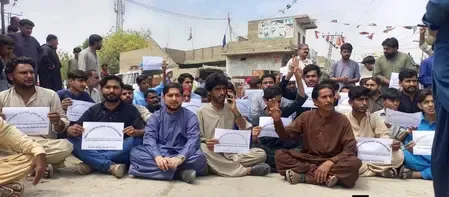
The long-simmering water dispute between Pakistan's provinces of Sindh and Balochistan escalated sharply on Saturday, 19 July, as three Balochistan cabinet ministers joined farmers at Sukkur Barrage, accusing Sindh of diverting water rightfully allocated to their province and leaving agricultural communities on the brink of financial ruin. The protest drew participants from several parts of Larkana division as well as farmers from across Balochistan, according to local media reports.
The Ministerial Committee and Its Demands
Balochistan Chief Minister Sarfaraz Bugti had constituted a high-level committee of ministers — Muhammad Sadiq Umrani, Saleem Ahmed Khoso, and Muhammad Khan Lehri — specifically to press Balochistan's water grievances with the Sindh government. Addressing the protesters at Sukkur Barrage, Umrani insisted that Balochistan was entitled to its share under the 1991 Water Accord, and that the province was not receiving its allocated 2,400 cusecs from Khirthar Canal or 6,700 cusecs from Pat Feeder.
The ministers called on the Sindh government to take action against what they described as the theft of Balochistan's water share through unauthorised channels. Khoso noted that while Sindh Irrigation officials had claimed Balochistan was actually receiving more than its allocated share, the committee flatly rejected that assertion, stating that ground realities pointed to a clear and ongoing shortage.
Impact on Farmers and Crop Seasons
Umrani warned that farmers in Balochistan were being severely affected, unable to access water during critical crop-sowing periods. The resulting delays, he said, would translate into substantial financial losses for an already vulnerable agricultural community. Khoso called for a permanent resolution, arguing that without one, similar protests would recur every year — a pattern that has already become entrenched.
A Deeper Crisis: Groundwater Depletion and Population Pressure
The inter-provincial dispute is unfolding against the backdrop of a far graver, structural water crisis in Balochistan. According to the World Bank, 95 per cent of Balochistan's farmland depends on groundwater extraction, yet only 5 per cent of the province is connected to the Indus Basin's canal system. Decades of over-extraction have turned this lifeline into a liability, with the water table falling steadily.
Compounding the problem is a sharp demographic surge. According to Population Management and Communication Team (PMCT) Director Abdul Sattar Shahwani, Balochistan's population has grown from 12.34 million in 2017 to 14.89 million, reflecting an average annual growth rate of 3.2 per cent. Official projections indicate the figure could reach 18.57 million by 2030 and potentially exceed 35 million by 2050.
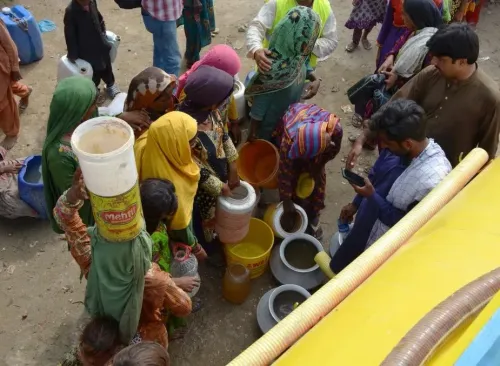
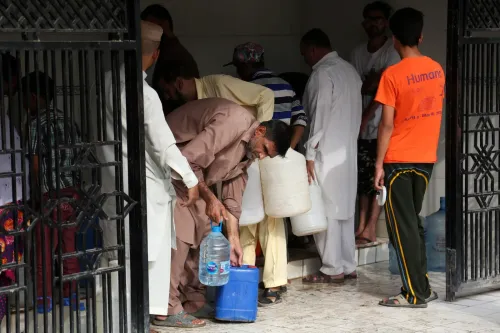
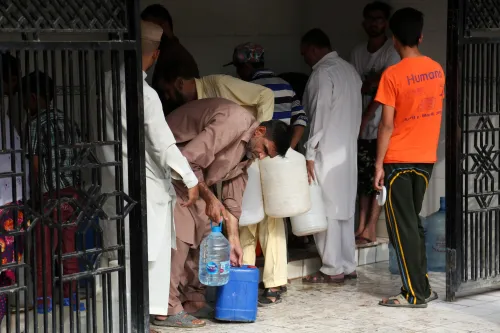
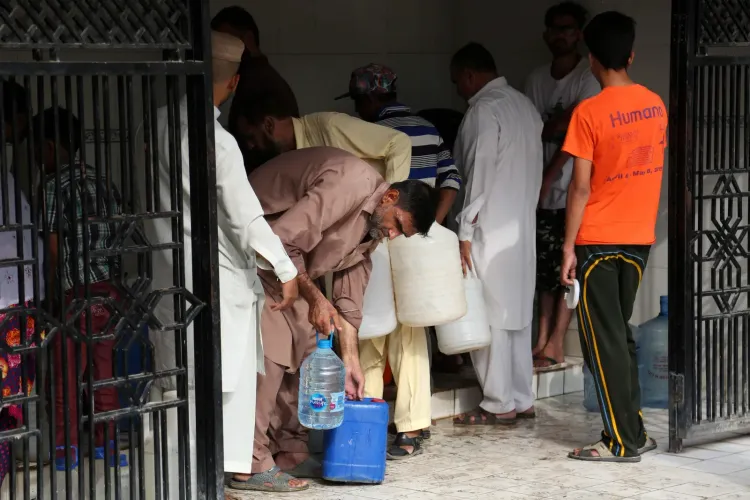
'If the population doubles while the water table halves, the math simply doesn't work. We are heading toward an impossibility,' a local urban planning consultant was quoted as saying. In Quetta, residents reportedly begin each morning rationing water — weighing whether a litre should go toward cooking or basic hygiene — a daily reality that, according to earlier reporting, 'has hardened into a defining feature of life in Balochistan.'
The 1991 Water Accord: A Framework Under Strain
The 1991 Water Accord remains the foundational legal instrument governing inter-provincial water sharing in Pakistan, but its enforcement has been repeatedly contested. Balochistan's ministers argue that the accord's guarantees are being systematically violated through unauthorised diversions in Sindh. This is not the first time the two provinces have clashed over water allocation — critics argue the absence of a credible, independent monitoring mechanism has allowed disputes to fester for decades.
What Happens Next
The ministerial committee is expected to formally engage the Sindh government with documented evidence of shortfalls in the coming days. Whether the two provinces can reach a durable arrangement — or whether the dispute escalates to the federal level — will depend on the political will of both administrations and the Centre's willingness to intervene. With Balochistan's water table declining and its population growing, the stakes of inaction are rising with each passing season.
Point of View
Not the disease. The 1991 Water Accord has no credible enforcement mechanism, which means every dry season becomes a political flashpoint between Sindh and Balochistan — with farmers paying the price. What is consistently underreported is the structural trap: Balochistan's groundwater is being mined at unsustainable rates, its population is growing at 3.2 per cent annually, and only 5 per cent of its farmland has canal access. Fixing the inter-provincial allocation row, while necessary, will not solve a province that is physically running out of water. Pakistan's federal government has so far treated this as a bilateral provincial dispute rather than a national emergency — a framing that grows harder to justify with each passing year.
NationPress
18 Oct 2026
Frequently Asked Questions
What is the Sindh-Balochistan water dispute about?
The dispute centres on Balochistan's claim that Sindh is diverting water allocated to it under the 1991 Water Accord, specifically denying the province its entitlement of 2,400 cusecs from Khirthar Canal and 6,700 cusecs from Pat Feeder. Balochistan ministers say the shortfall is devastating farmers during critical crop-sowing periods, while Sindh Irrigation officials have contested the claim.
What is the 1991 Water Accord and why does it matter?
The 1991 Water Accord is Pakistan's foundational inter-provincial agreement governing the distribution of river water among its provinces. It legally defines each province's share of water from major rivers and canals. Balochistan argues the accord's guarantees are being violated through unauthorised diversions in Sindh, making it the legal basis for the current protest.
Who are the Balochistan ministers involved in the protest?
Balochistan Chief Minister Sarfaraz Bugti formed a three-minister committee — Muhammad Sadiq Umrani, Saleem Ahmed Khoso, and Muhammad Khan Lehri — to raise the province's water concerns with the Sindh government. All three ministers participated in the farmers' protest at Sukkur Barrage on 19 July.
How serious is Balochistan's broader water crisis?
Balochistan faces a structural water emergency beyond the inter-provincial dispute. The World Bank estimates 95 per cent of the province's farmland depends on groundwater, which is being rapidly depleted. The province's population has grown to 14.89 million and could exceed 35 million by 2050, placing catastrophic pressure on already shrinking water resources.
What happens next in the Sindh-Balochistan water dispute?
The ministerial committee is expected to formally present documented evidence of water shortfalls to the Sindh government in the coming days. If no bilateral resolution is reached, the dispute could escalate to Pakistan's federal level. Without a permanent monitoring mechanism, analysts warn that seasonal protests will continue to recur.