Slovakia backs India's UNSC non-permanent seat bid for 2028–29
Synopsis
Slovakia has formally backed India's bid for a non-permanent UNSC seat for 2028–29, with both nations exchanging mutual endorsements — a diplomatic two-for-one that signals the deepening of India's European outreach and its broader campaign to reshape global governance ahead of a critical UN election.
Key Takeaways
Slovakia formally endorsed India's candidature for a non-permanent UNSC seat for the 2028–29 term during a meeting in New York .
Jaishankar met Slovak Foreign Minister Juraj Blanar ; the endorsement is mutual — India had earlier backed Slovakia's UNSC candidature .
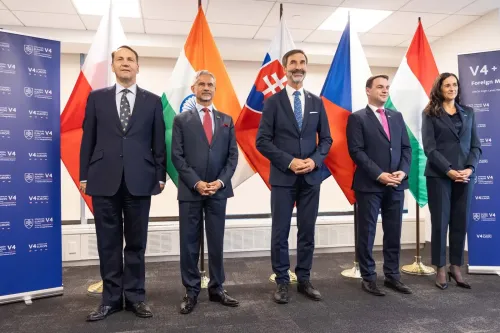
Discussions covered Slovakia's V4 Presidency , the V4+India format, UN Security Council reform, and global security cooperation.
PM Narendra Modi visited Slovakia last month, meeting PM Robert Fico and President Peter Pellegrini in Bratislava .
India's Ambassador Apoorva Srivastava paid a farewell call on Minister Blanar on 8 July , reaffirming commitment to the bilateral partnership.
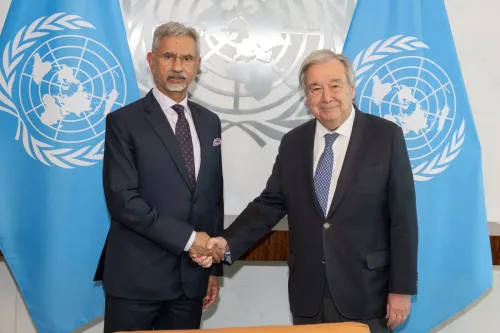
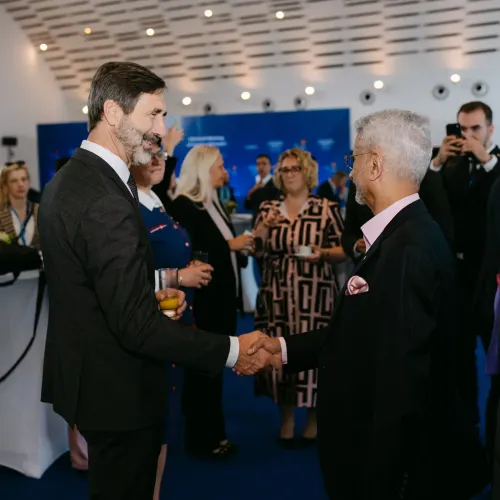
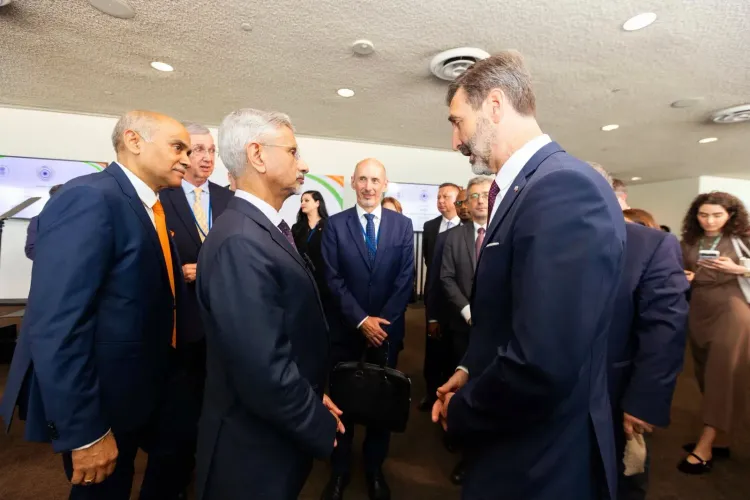
Slovakia has formally expressed support for India's candidature for a non-permanent seat on the United Nations Security Council (UNSC) for the 2028–29 term, following a meeting between Slovak Foreign and European Affairs Minister Juraj Blanar and External Affairs Minister (EAM) S. Jaishankar in New York. The mutual endorsement marks a significant diplomatic milestone in the bilateral relationship between the two nations.
What Was Discussed
Slovakia's Ambassador to India, Robert Maxian, described the meeting as "very productive," noting that the two ministers covered a broad agenda — preparations for Slovakia's V4 Presidency, the V4+India format, effective multilateralism, UN Security Council reform, and cooperation on global security challenges. The discussions reflect the expanding scope of India-Slovakia engagement beyond traditional bilateral trade.
Notably, the endorsement is mutual: India had earlier extended its support for Slovakia's own UNSC candidature, and Slovakia has now reciprocated. According to Ambassador Maxian, this exchange "reflects deep trust, comprehensive partnership and the excellent quality of bilateral relations."
India's UNSC Campaign
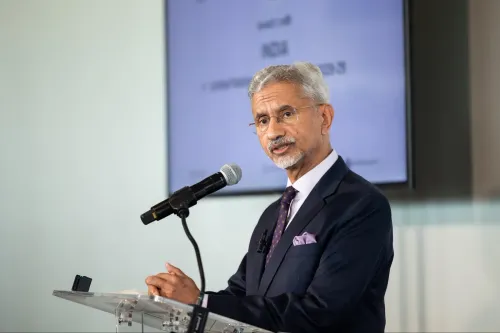
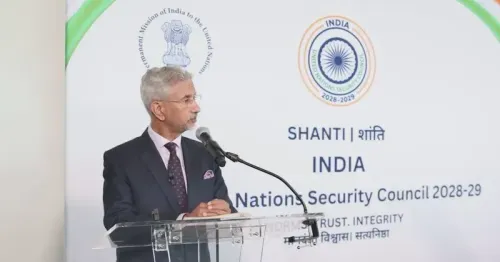
EAM Jaishankar formally launched India's campaign for the 2028–29 non-permanent seat at the UNSC, articulating New Delhi's vision for a more representative, effective, and future-ready global order. India has previously served as a non-permanent UNSC member on multiple occasions, most recently in the 2021–22 term, and has long advocated for permanent membership as part of a broader push for UN reform.
This comes amid India's sustained diplomatic outreach across multilateral forums, with New Delhi positioning itself as a voice for the Global South and an advocate for reformed global governance structures.
Bilateral Ties Deepening
The UNSC endorsement is the latest in a series of high-level engagements between the two countries. On 8 July, India's Ambassador to Slovakia, Apoorva Srivastava, paid a farewell call on Minister Blanar in Bratislava, conveying appreciation for his cooperation and reaffirming India's commitment to deepening the bilateral partnership.
Last month, Prime Minister Narendra Modi undertook a two-day State visit to Slovakia, meeting Prime Minister Robert Fico and President Peter Pellegrini, including at the Presidential Palace in Bratislava. That visit is widely seen as having elevated the strategic dimension of India-Slovakia ties.
What This Means for India
Securing backing from European nations, particularly those within the Visegrád Group (V4) — comprising Slovakia, the Czech Republic, Poland, and Hungary — strengthens India's diplomatic base ahead of the UNSC election. The V4+India format, discussed at the New York meeting, signals a structured channel through which New Delhi is cultivating Central European support for its multilateral ambitions.
As India's UNSC campaign gathers momentum, further endorsements from European and Global South partners are expected to be announced in the months ahead.
Point of View
A transactional yet substantive exchange that reflects how New Delhi is building its multilateral coalition one bilateral deal at a time. What is underreported is the V4+India format: if India can lock in structured engagement with all four Visegrád nations, it gains a reliable Central European bloc that has historically been less predictable on India-specific multilateral votes. The real test of this diplomacy will come not at the endorsement stage but at the actual UNSC election, where backroom pressures from competing candidacies routinely override bilateral goodwill. India's 2028–29 campaign is well ahead of schedule, but converting diplomatic warmth into durable votes is a different — and harder — game.
NationPress
12 Oct 2026
Frequently Asked Questions
What is India's UNSC non-permanent seat bid for 2028–29?
India is campaigning for a non-permanent seat on the United Nations Security Council for the 2028–29 term. EAM S. Jaishankar formally launched the campaign, outlining New Delhi's vision for a more representative and reformed global order.
Why did Slovakia support India's UNSC candidature?
Slovakia expressed support following high-level diplomatic engagement, including a meeting between Foreign Minister Juraj Blanar and EAM Jaishankar in New York. The endorsement is mutual — India had earlier backed Slovakia's own UNSC candidature, reflecting what both sides describe as a comprehensive bilateral partnership.
What is the V4+India format discussed at the New York meeting?
The V4+India format is a diplomatic engagement framework between India and the Visegrád Group — comprising Slovakia, the Czech Republic, Poland, and Hungary. It was discussed as a channel for cooperation on multilateralism, UN reform, and global security challenges.
How does PM Modi's Slovakia visit connect to the UNSC endorsement?
Prime Minister Narendra Modi's two-day State visit to Slovakia last month, during which he met PM Robert Fico and President Peter Pellegrini in Bratislava, is seen as having strengthened the bilateral foundation that enabled Slovakia's formal UNSC endorsement.
Who is Robert Maxian and what did he say?
Robert Maxian is Slovakia's Ambassador to India. He described the Blanar-Jaishankar meeting as 'very productive' and confirmed via a post on X that Slovakia officially expressed support for India's UNSC candidature, calling the mutual endorsement a reflection of 'deep trust and comprehensive partnership.'