Iran IRGC strikes US Fifth Fleet HQ, Patriot radar, Jordan airbase
Synopsis
Iran's IRGC claims to have struck the US Fifth Fleet's headquarters in Bahrain, destroyed a Patriot radar system, and hit an American airbase in Jordan with a ballistic missile — all on the same day the US launched its third consecutive night of strikes on Iran. If the IRGC claims are verified, this would mark one of the most serious direct military exchanges between the two countries in decades.
Key Takeaways
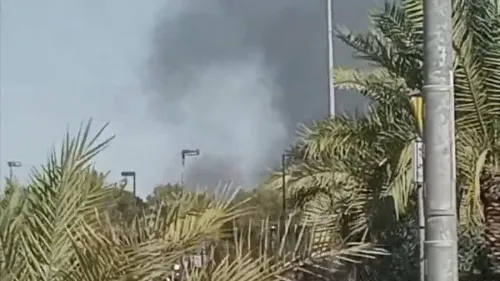
The IRGC claimed on 14 July to have struck the US Fifth Fleet headquarters in Bahrain , setting fuel storage 'ablaze.' The Corps also claimed to have destroyed a Patriot radar system , a C-RAM early warning radar , and the Fifth Fleet's air-control radar .
A ballistic missile was reportedly fired at a US airbase in Jordan ; the IRGC said it was not targeting the Jordanian nation.
US Central Command confirmed launching its third consecutive night of strikes against Iran beginning 4:45 p.m.
President Trump threatened further strikes and demanded Gulf nations reimburse the US for regional military protection.
The IRGC's claims originate from Iranian state-linked media and have not been independently verified .
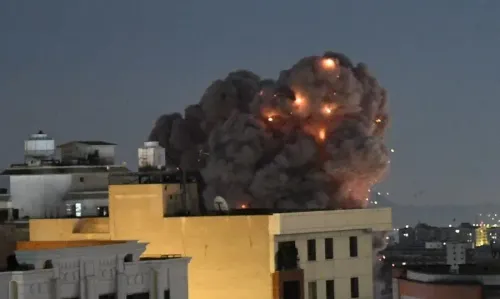
The Islamic Revolutionary Guards Corps (IRGC) on Tuesday, 14 July claimed to have struck multiple US military facilities across Bahrain and Jordan, including the headquarters of the US Fifth Fleet, a Patriot radar system, and an American airbase in Jordan, according to local media reports citing IRGC statements. The strikes mark a sharp escalation in direct military confrontation between Iran and the United States.
What the IRGC Claims to Have Hit
According to statements attributed to the IRGC, its Navy targeted several weapons support depots, a satellite communications centre, troop accommodation, and multiple military radar systems in Bahrain, as reported by Press TV. The IRGC's Aerospace Force separately claimed to have conducted 'coordinated missile and drone strikes' against the Fifth Fleet's headquarters, setting its fuel storage facilities 'ablaze.'
The Corps further claimed it 'struck and destroyed a Patriot radar system, the Fifth Fleet's air-control radar, and a C-RAM early warning radar system.' A separate IRGC statement said a 'key facility' at a Jordanian airbase used by American forces was hit by a ballistic missile. The IRGC characterised the Jordan strike as a reprisal, stating the base 'had been used to launch attacks against us,' and explicitly clarified that the action was not directed against the Jordanian nation.
US Strikes on Iran Continue
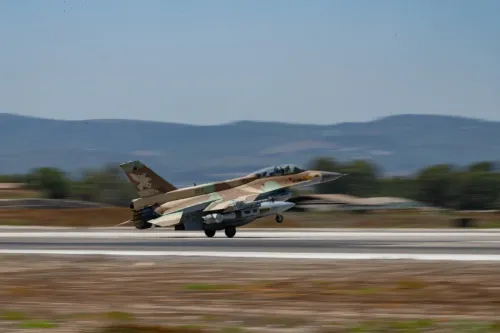
The IRGC's claimed strikes came as the US Central Command confirmed it had launched yet another round of strikes against Iran on Monday (US time). 'At 4:45 p.m. ET, US Central Command began launching the third consecutive night of strikes against Iran, at the Commander in Chief's direction,' the command said in a statement.
US President Donald Trump, speaking at the White House on Monday, said: 'We're going to hit them very hard tonight, and we're going to hit them hard tomorrow.' The remarks signal no immediate de-escalation from the American side.
Trump's Demand: Gulf Nations Must Pay
Separately, Trump used the occasion to press wealthy Gulf nations to financially reimburse the United States for its military presence in the region. 'I want to be reimbursed because we're protecting a very rich portion of the world,' Trump told reporters at the White House. He argued that Washington was bearing the cost of defending regional partners despite the US no longer being dependent on Middle Eastern oil.
Context and What Comes Next
The mutual exchange of strikes represents a significant departure from the pattern of proxy confrontations that has defined US-Iran tensions for decades. Direct IRGC claims of hitting Fifth Fleet infrastructure — one of the most strategically sensitive US military commands in the world — would, if verified, constitute one of the most serious military incidents in the Gulf in recent memory. Independent verification of the IRGC's claims has not been established; the claims originate from Iranian state-linked media. The situation remains fluid, with both sides signalling continued military action.
Point of View
The claims come exclusively from Iranian state media, and Washington has not confirmed the damage; the gap between claim and verified fact is enormous and consequential. What is not in dispute is the tempo: the US is now on its third consecutive night of strikes, and Iran is responding with named, targeted counterclaims rather than silence. The pattern suggests neither side is seeking an off-ramp in the near term. Trump's simultaneous demand that Gulf states pay for US protection introduces a transactional dimension that could fracture the very coalition Washington needs to sustain regional pressure on Tehran.
NationPress
14 Jul 2026
Frequently Asked Questions
What did Iran's IRGC claim to have struck on 14 July?
The IRGC claimed to have struck the US Fifth Fleet's headquarters in Bahrain — including fuel storage, radar systems, weapons depots, and troop accommodation — as well as a Patriot radar system and a US airbase in Jordan using a ballistic missile. These claims were reported by Iranian state-linked media and have not been independently verified.
How has the United States responded to Iran's claimed strikes?
The US Central Command confirmed it launched its third consecutive night of strikes against Iran beginning at 4:45 p.m. ET on Monday. President Trump stated at the White House that the US would 'hit them very hard tonight, and hit them hard tomorrow,' signalling no immediate halt to military operations.
Why did the IRGC say it struck a Jordanian airbase?
The IRGC said the airbase in Jordan 'had been used to launch attacks against us,' framing the strike as a direct reprisal against American forces stationed there. The Corps explicitly stated the action was not directed against the Jordanian nation.
Are the IRGC's strike claims verified?
No. The claims originate from Iranian state-linked media, including Press TV, and have not been independently confirmed. The US military has not publicly acknowledged the damage described by the IRGC.
What did President Trump say about Gulf nations and military costs?
Trump told reporters at the White House that wealthy Gulf nations should reimburse the United States for the cost of protecting the region, arguing Washington was defending rich partners while no longer depending on Middle Eastern oil. 'I want to be reimbursed because we're protecting a very rich portion of the world,' he said.