Pralhad Joshi Reviews Storage Policy and PEG Scheme Reforms

Synopsis
Union Minister Pralhad Joshi chaired a review on 14 July 2026 of India's proposed Storage Policy and the Private Entrepreneurs Guarantee Scheme, targeting regional storage imbalances, surplus stock management, and revised norms to build a scientific, future-ready foodgrain storage framework.
Key Takeaways
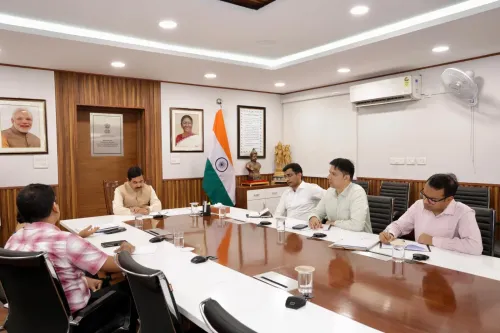
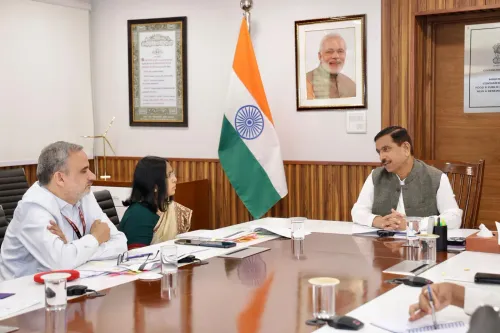
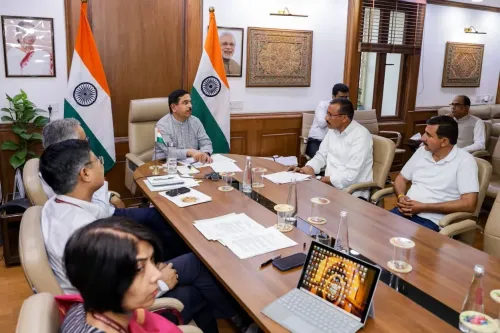
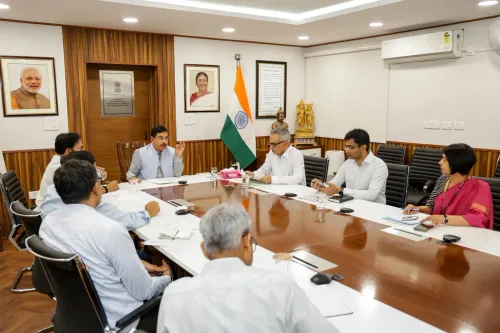
Union Consumer Affairs Minister Pralhad Joshi chaired a review meeting on 14 July 2026 on the proposed Storage Policy and the PEG Scheme .
Discussions addressed regional storage imbalances , surplus stock management, and optimisation of existing storage capacity.
The Private Entrepreneurs Guarantee (PEG) Scheme , first launched in 2008 , incentivises private entrepreneurs to build and operate godowns for the Food Corporation of India .
Revised storage norms are being considered to align with current MSP procurement volumes and consumption patterns.
The proposed Storage Policy requires Cabinet approval before implementation; revised norms would be notified by the Department of Food and Public Distribution .
The reforms aim to reduce post-harvest losses and reinforce India's food security architecture .
Union Consumer Affairs Minister Pralhad Joshi on Tuesday, 14 July 2026, chaired a high-level review meeting on the proposed Storage Policy and the Private Entrepreneurs Guarantee (PEG) Scheme, signalling a concerted push to overhaul India's foodgrain storage ecosystem. The discussions centred on tackling structural gaps in storage infrastructure, including regional imbalances, surplus stock management, and the alignment of storage norms with current procurement realities.
Context
Posting on X, Minister Joshi said the meeting focused on 'addressing emerging challenges in foodgrain management, including regional storage imbalances, surplus stock management, optimization of storage capacity, and the need to revise storage norms in line with current procurement trends.' He added that these reforms aim to build 'a more efficient, scientific and future-ready storage framework' reinforcing India's food security under the leadership of Prime Minister Narendra Modi.
The review comes at a time when rising procurement volumes under the Minimum Support Price (MSP) regime have placed growing pressure on existing storage infrastructure, making policy revision a practical necessity rather than a routine exercise.
Policy Backdrop
The PEG Scheme was first launched in 2008 to augment covered storage capacity by incentivising private entrepreneurs to construct and operate foodgrain godowns for the Food Corporation of India (FCI). The scheme represents a public-private partnership model designed to reduce the government's capital burden while expanding the national storage network.
Successive governments have periodically revised buffer stocking norms — a practice that dates to the 1990s — to keep pace with shifting procurement volumes and consumption patterns. The current review follows this long-standing policy lineage, with the Department of Food and Public Distribution now examining whether existing norms remain fit for purpose given the scale of modern procurement operations.
Post-harvest losses due to inadequate or unscientific storage have been a persistent challenge for India's food security architecture. Expanding covered, scientifically managed storage has been a stated priority across multiple administrations, and the PEG model has been one of the primary instruments used to address regional disparities between grain-surplus states and high-consumption regions.
Stakeholders and Impact
Private storage operators stand to be directly affected by any revision to the PEG Scheme, as changes in guarantee terms or construction norms would alter the financial calculus for new godown investments. State governments, particularly those in surplus procurement states such as Punjab and Haryana, have a stake in how regional imbalances are addressed under the revised framework.
The Food Corporation of India, which manages the bulk of central pool stocks, would be a key implementing agency for any updated storage policy. More efficient utilisation of existing capacity and better-distributed new capacity could reduce the FCI's logistical costs and improve turnaround times for grain movement across the country.
For farmers and consumers alike, a more robust storage framework translates into reduced grain wastage, more stable food prices, and greater reliability in the public distribution system — outcomes that sit at the core of the government's food security mandate.
What's Next
The proposed Storage Policy will need to navigate the Cabinet approval process before it can take effect. Any revision to storage norms would subsequently be notified by the Department of Food and Public Distribution. The timeline for these steps has not been officially announced.
The outcome of this review could set the template for how India manages its growing grain procurement obligations over the next decade, with implications for public expenditure on storage infrastructure and the role of private capital in the food supply chain.
Point of View
Where poor stock distribution inflates logistics costs and food prices. Revisiting the PEG Scheme after nearly two decades suggests the government recognises that the original financial incentive structure may no longer be sufficient to attract private capital at the scale required. If the proposed Storage Policy reaches the Cabinet and is notified, it would mark the most comprehensive policy reset for foodgrain storage infrastructure in a generation.
NationPress
14 Jul 2026
Frequently Asked Questions
What is the Private Entrepreneurs Guarantee (PEG) Scheme in India?
The PEG Scheme is a central government initiative launched in 2008 that incentivises private entrepreneurs to construct and operate foodgrain godowns for the Food Corporation of India, expanding covered storage capacity through a public-private partnership model.
Why is India reviewing its foodgrain storage policy in 2026?
Rising procurement volumes under the MSP regime have strained existing storage infrastructure, and regional imbalances between surplus and consuming states have persisted. The review aims to revise norms and optimise capacity to match current procurement realities.
What did Pralhad Joshi say about the storage policy review?
Minister Joshi said the meeting focused on addressing 'regional storage imbalances, surplus stock management, optimization of storage capacity, and the need to revise storage norms,' with the goal of building a 'more efficient, scientific and future-ready storage framework.'
What role does the Food Corporation of India play in foodgrain storage?
The Food Corporation of India is the statutory body responsible for procurement, storage and distribution of foodgrains under the Ministry of Consumer Affairs, Food and Public Distribution, and would be the primary implementing agency for any revised storage policy.
What happens next after the storage policy review meeting?
The proposed Storage Policy must go through the Cabinet approval process. Any revision to storage norms would then be officially notified by the Department of Food and Public Distribution, though no timeline has been announced.