Trump names Iran's Pickaxe Mountain as talks with Tehran continue
Synopsis
Even as US-Iran diplomacy continues through multiple back-channels, President Trump publicly named Pickaxe Mountain as an Iranian site that 'has to be taken care of' — a rare presidential identification of a specific target while talks are live. Secretary of State Rubio's confirmation that a military decision hasn't been made keeps both options visibly in play, injecting fresh urgency into what is already the defining geopolitical flashpoint heading into the G20 summit.
Key Takeaways
President Donald Trump publicly named Pickaxe Mountain as an Iranian site requiring action on 1 November 2025 .
Trump described US-Iran negotiations as 'going fine' but questioned Tehran's reliability.
Secretary of State Marco Rubio confirmed Trump has not yet decided on fresh military action against Iran.
Rubio said talks with Iran have 'never stopped', proceeding through intermediaries and direct channels, including Qatari-backed contacts.
Rubio accused Iran of targeting commercial vessels, including ships with Indian sailors aboard, and called for greater international involvement in securing the Strait of Hormuz .
The G20 leaders' summit is scheduled for Florida in December , with maritime security a key agenda item.
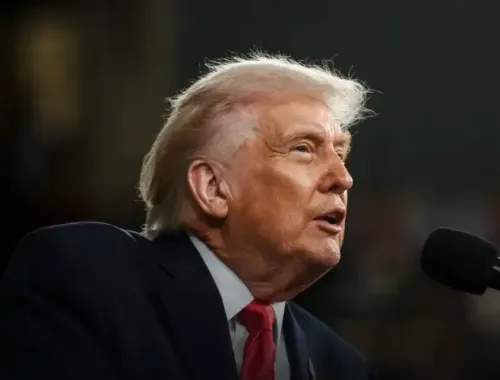
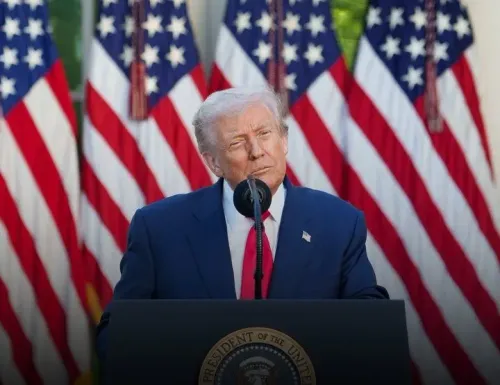
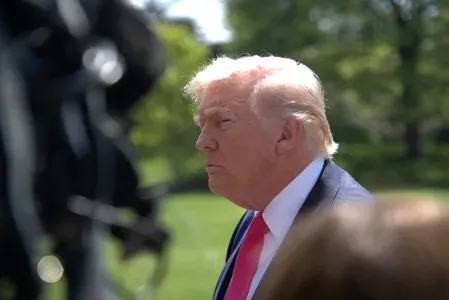
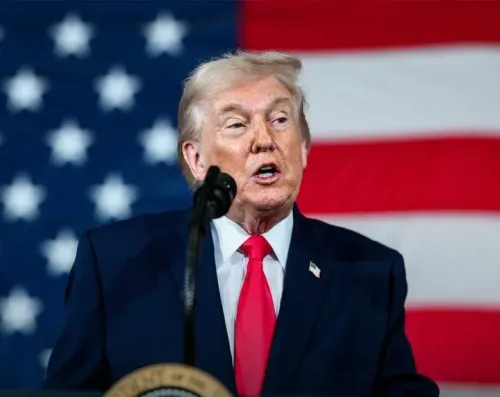
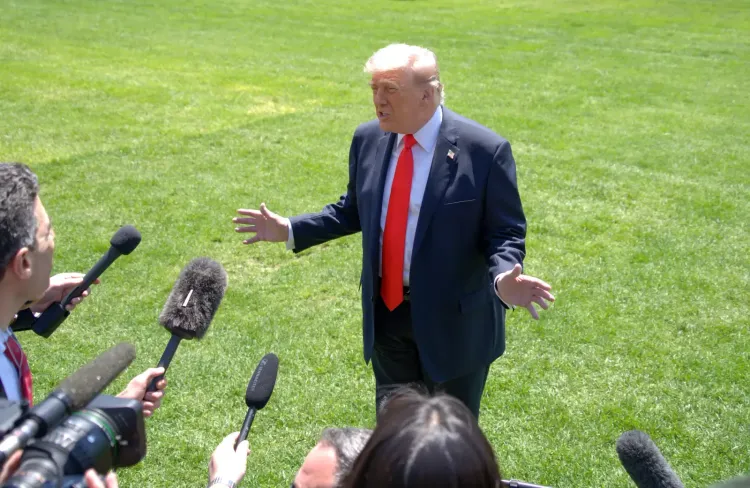
US President Donald Trump on Saturday, 1 November 2025, publicly named Pickaxe Mountain as an Iranian site that required action, even as he described ongoing negotiations with Tehran as 'going fine' and left open whether diplomacy would ultimately produce a deal. The remarks, made to reporters in Palm Beach, Florida, came hours after Secretary of State Marco Rubio confirmed that Trump had not yet decided whether to order fresh military action against Iran.
Trump's Remarks on Pickaxe Mountain
'You probably could look at Pickaxe Mountain, and you have to take care of that,' Trump told reporters, identifying the site by name and suggesting that dealing with the remaining Iranian targets could be accomplished rapidly. He indicated there were 'still one or two sites to address', without elaborating on what action he envisioned or within what timeframe.
Despite the pointed reference, Trump struck a cautiously optimistic tone on diplomacy. 'We'll see if they make a deal,' he said, while simultaneously questioning Tehran's reliability as a negotiating partner.
Rubio at G20: Military Option Remains on the Table
Speaking at the conclusion of the G20 foreign ministers' meeting in Atlanta, Rubio declined to discuss specific military operations or signal how long diplomatic efforts would be allowed to run. He stressed that all timing decisions rested with Trump.
'We can achieve military objectives if we seek to. He hasn't made a decision. I have no announcement in that regard with you today, and nor do we take any of it lightly,' Rubio said. He added that Trump 'would already have acted' if military force were his preferred course, describing the president as someone who 'prefers to solve it diplomatically.'
Talks Through Multiple Channels
Asked about Qatari-backed diplomatic contacts, Rubio confirmed that engagement with Iran had continued through several channels — including intermediaries and, in some cases, direct conversations. He declined to assess the progress of those talks or specify any deadline. 'There are multiple talks; talks have actually never stopped,' he said.
Rubio said any eventual arrangement would have to address core US security concerns: preventing Iran from acquiring nuclear weapons and confronting its support for armed groups across the Middle East. No Iranian response to these allegations was available at the time of reporting.
Shipping Safety and the Strait of Hormuz
Rubio also linked the standoff with Iran to disruptions in commercial shipping, accusing Tehran of targeting vessels carrying energy supplies and other cargo — specifically referencing ships with Indian sailors aboard. He said US forces were actively defending shipping against Iranian drones and missiles and called for broader international participation in securing passage through the Strait of Hormuz, describing cooperation from other nations as limited and the burden as falling 'primarily on the United States.'
G20 Context and What Comes Next
The Atlanta gathering formed part of preparations for the G20 leaders' summit scheduled for Florida in December. Its agenda covered energy, supply chains, critical minerals, food security, and freedom of navigation — all areas that intersect directly with the consequences of any military escalation or prolonged disruption to Gulf shipping lanes. Rubio acknowledged that while participants broadly agreed on the problems, collective solutions remained elusive.
With the G20 summit weeks away and Iran talks continuing through multiple back-channels, whether Washington opts for diplomacy or military action is now among the most consequential near-term questions in global geopolitics.
Point of View
The Rubio reference to Indian sailors aboard targeted vessels introduces a direct national-interest dimension that New Delhi will be watching closely as the G20 summit approaches.
NationPress
1 Nov 2026
Frequently Asked Questions
What is Pickaxe Mountain and why did Trump mention it?
Pickaxe Mountain is an Iranian site that President Trump publicly identified on 1 November 2025 as one that 'has to be taken care of', suggesting it is among the remaining targets the US considers unresolved. Trump did not specify what action he intended, saying only that it could be dealt with rapidly.
Has the US decided to launch military action against Iran?
No. Secretary of State Marco Rubio confirmed at the G20 foreign ministers' meeting in Atlanta on 1 November 2025 that President Trump had not yet made a decision on fresh military action. Rubio said Trump preferred a diplomatic outcome and would already have acted if military force were his first choice.
Are US-Iran diplomatic talks still ongoing?
Yes. Rubio confirmed that contacts with Iran have continued through multiple channels, including intermediaries and direct conversations, as well as Qatari-backed engagements. He declined to give a progress assessment or set a deadline, saying 'talks have actually never stopped.'
Why did Rubio mention Indian sailors in the context of Iran?
Rubio accused Iran of targeting commercial vessels carrying energy supplies and other cargo, specifically referencing ships with Indian sailors aboard, to underscore the human and international cost of Iranian actions in the region. No Iranian response to these allegations was available at the time of reporting.
What is the significance of the G20 meeting in Atlanta?
The G20 foreign ministers' meeting in Atlanta on 1 November 2025 was a preparatory session for the G20 leaders' summit scheduled for Florida in December. Maritime security, energy, supply chains, and food security were key agenda items, all of which are directly affected by potential escalation in the Gulf.