Trump-Xi summit splits US Senate on trade, AI and human rights
Synopsis
The Trump-Xi summit has torn open a rare Senate flashpoint — Republicans calling it essential stability diplomacy while Democrats charge Trump surrendered leverage on trade, AI and human rights. A bipartisan religious-freedom letter and a blocked transnational-repression resolution signal that the Capitol Hill fallout from the meeting is only beginning.
Key Takeaways
Republican Senator Steve Daines defended the Trump-Xi summit , calling the relationship 'too big to fail' and citing AI competition and military power as reasons for engagement.
Treasury Secretary Scott Bessent and Chinese Vice Premier He Lifeng held direct talks on trade, AI and Iran during the visit.
Democratic Senator Ron Wyden accused Trump of rolling out the red carpet for Xi while China allegedly broke trade promises on agricultural goods and rare-earth minerals.
Senator Jeff Merkley 's bipartisan resolution condemning China's transnational repression was blocked by Republican senators during Xi's US visit.
A bipartisan group of senators including Chuck Grassley , Ted Cruz and Tim Kaine urged Trump to press Xi on the release of detained religious minorities, citing Uyghur Muslims , Tibetan Buddhists , Christians and Falun Gong practitioners .
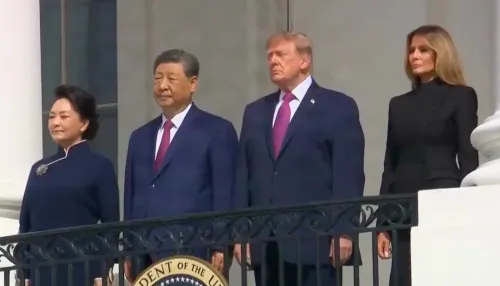
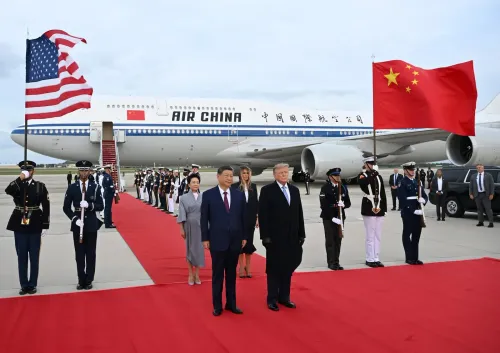
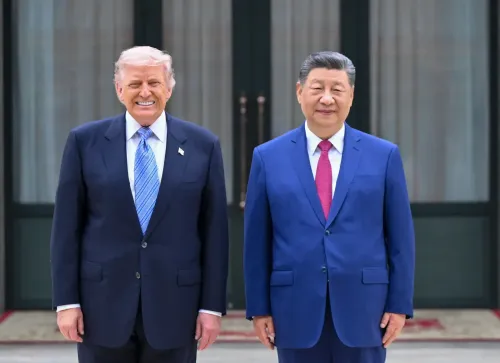
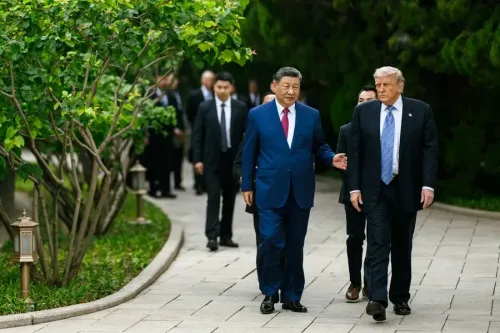
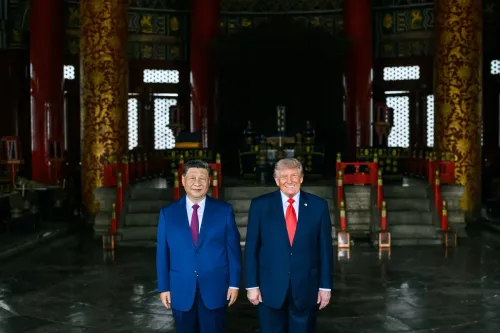
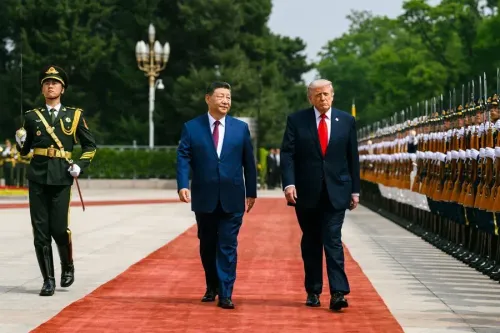
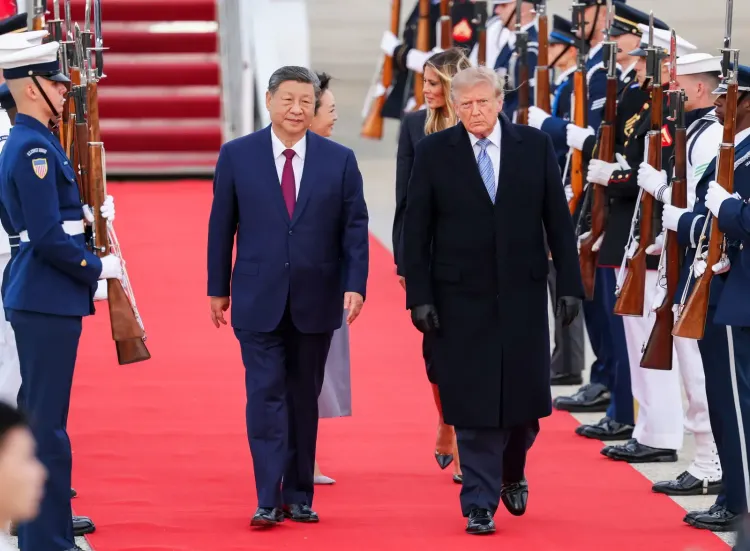
A sharp divide has erupted in the US Senate over President Donald Trump's engagement with Chinese President Xi Jinping, with lawmakers clashing over trade concessions, the artificial intelligence race, religious freedom, and Beijing's alleged transnational repression of dissidents — exposing deep bipartisan fault lines even as the two leaders met publicly.
Republican defence of the summit
Republican Senator Steve Daines defended the meeting, arguing that constructive engagement between the two leaders was essential given that the United States and China are both the world's largest military powers and leading competitors in artificial intelligence. Daines described the bilateral relationship as 'too big to fail' and suggested that Trump's reception for Xi would be read in Beijing as a meaningful gesture of respect.
'It's very important to see both President Trump and President Xi Jinping working in a constructive manner in that public-facing environment,' Daines said. He also noted that US Treasury Secretary Scott Bessent and Chinese Vice Premier He Lifeng had held direct discussions covering trade, AI and Iran.
Daines also sounded a caution, warning that Washington must not underestimate Beijing's technological ambitions. While he acknowledged the US retained an edge in advanced AI model capabilities, he said China was ahead in the pace of adoption. 'We cannot take lightly what China is doing right now in this AI race. It's very important that we continue to lead,' he said.
Democratic criticism: concessions without accountability
Senate Finance Committee ranking member Ron Wyden offered a starkly different reading, accusing Trump of weakening American national security in exchange for limited and, he alleged, unreliable Chinese commitments on agricultural trade and critical minerals. 'In return for China breaking nearly every trade promise it has made, Trump is rolling out the red carpet for President Xi,' Wyden said.
Wyden alleged that China was failing to purchase promised American agricultural goods and was withholding rare-earth minerals needed by US manufacturers. 'Donald Trump is giving away the store to China and leaving American families with the bill,' he said.
Human rights and transnational repression
The summit also intensified congressional scrutiny of Beijing's human-rights record. Democratic Senator Jeff Merkley criticised Republican colleagues for blocking his bipartisan resolution condemning China's alleged repression, coercion and intimidation of critics beyond its borders — including individuals inside the United States.
'Journalists, activists, and everyday people who have spoken truth to power about China's oppression are being bullied, intimidated, and targeted far beyond China's borders,' Merkley said. He argued that defeating the resolution while Xi was on US soil sent the wrong signal. 'I'll keep making the case to my colleagues on both sides of the aisle that we must oppose all acts of transnational repression — no matter the perpetrator,' he added. The resolution had previously cleared committee, and Merkley also leads separate legislation aimed at strengthening the US response to foreign governments that stalk, intimidate or assault diaspora members abroad.
Bipartisan call for religious freedom
In a separate cross-party appeal, senators Chuck Grassley, Ted Budd and Tim Kaine wrote to Trump urging him to press Xi for the release of detained pastors and members of religious minorities in China. Their letter cited the treatment of Tibetan Buddhists, Christians, Uyghur Muslims and Falun Gong practitioners, calling on Beijing to end the harassment of religious organisations and free those imprisoned for practising their faith. 'The United States should continue to promote international religious freedom,' the senators wrote. The letter was co-signed by Merkley and senators Roger Wicker, Peter Welch, Katie Britt, Tim Scott, James Lankford and Ted Cruz.
What comes next
The Senate fractures over the Trump-Xi meeting reflect a broader tension in US China policy — between economic interdependence and strategic competition — that neither party has yet resolved. With trade commitments, AI dominance and human-rights accountability all in play, congressional pressure on the White House is likely to intensify in the weeks following the summit.
Point of View
And that is the problem. The blocking of Merkley's transnational-repression resolution while Xi was physically on US soil was a telling moment — it suggests that even human-rights language is now hostage to summit optics. Meanwhile, the bipartisan religious-freedom letter, though symbolically useful, carries no enforcement mechanism. Congress is loud on China but, structurally, limited in what it can compel a president to do at a bilateral summit.
NationPress
25 Sept 2026
Frequently Asked Questions
What happened at the Trump-Xi summit that triggered the Senate clash?
The summit between President Donald Trump and Chinese President Xi Jinping prompted sharp disagreement in the US Senate, with Republicans praising the engagement as stabilising and Democrats accusing Trump of granting concessions on trade and failing to confront China on human rights and economic practices.
What did Senator Ron Wyden say about Trump's handling of China trade?
Senate Finance Committee ranking member Ron Wyden accused Trump of weakening American national security by accepting limited Chinese commitments while China allegedly continued to break trade promises on agricultural purchases and rare-earth mineral supply. 'Donald Trump is giving away the store to China and leaving American families with the bill,' Wyden said.
What is China's alleged transnational repression and why is Congress concerned?
Transnational repression refers to Beijing's alleged harassment, surveillance and intimidation of critics, journalists and activists living outside China, including inside the United States. Senator Jeff Merkley introduced a bipartisan resolution condemning these practices, but it was blocked by Republican senators during Xi's visit, which Merkley said sent the wrong message.
Which senators signed the religious freedom letter to Trump, and what did it ask?
Senators Chuck Grassley, Ted Budd, Tim Kaine, Jeff Merkley, Roger Wicker, Peter Welch, Katie Britt, Tim Scott, James Lankford and Ted Cruz co-signed a letter urging Trump to press Xi for the release of detained religious minorities, including Uyghur Muslims, Tibetan Buddhists, Christians and Falun Gong practitioners.
What did Senator Steve Daines say about the US-China AI competition?
Daines acknowledged that the United States leads China in advanced AI model capabilities but warned that China is ahead in adopting the technology at scale. 'We cannot take lightly what China is doing right now in this AI race,' he said, calling on the US to maintain its leadership.