US strikes Iran again after drone hits oil tanker near Strait of Hormuz
Synopsis
Washington struck 10 Iranian military targets near the Strait of Hormuz after Tehran allegedly rejected a ceasefire and hit another oil tanker — the Panama-flagged M/T Kiku, carrying over two million barrels of crude. With surveillance infrastructure, air defences, and drone facilities now in the crosshairs, this is the sharpest US-Iran military exchange over commercial shipping in recent memory.
Key Takeaways
US CENTCOM conducted strikes on 10 Iranian military targets near the Strait of Hormuz on 27 June .
Iran allegedly struck the Panama-flagged tanker M/T Kiku at 4:30 a.m.
ET , which was carrying over two million barrels of crude oil.
The strikes targeted Iranian surveillance infrastructure, communication systems, air defence sites, drone storage facilities, and minelayer capabilities.
The action followed an earlier US strike in response to the alleged Iranian attack on commercial vessel M/V Ever Lovely .
Despite the military exchanges, CENTCOM confirmed commercial vessel transits through the Strait of Hormuz are continuing.
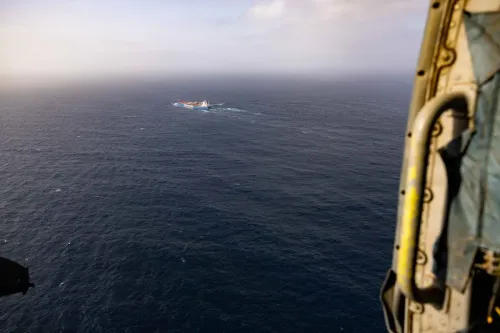
The United States carried out a fresh wave of military strikes against multiple Iranian targets on 27 June after Tehran allegedly launched another drone attack on a commercial oil tanker transiting near the Strait of Hormuz, according to US Central Command (CENTCOM). The strikes came hours after Iran reportedly declined an opportunity to honour a ceasefire agreement, instead targeting the Panama-flagged tanker M/T Kiku — which was carrying more than two million barrels of crude oil at the time.
How the Escalation Unfolded
The latest action followed retaliatory strikes conducted by US forces a day earlier in response to what Washington described as an Iranian attack on the commercial vessel M/V Ever Lovely. US officials said Iran was given a clear window to abide by ceasefire terms but, according to CENTCOM, 'elected not to when its forces launched a one-way attack drone that hit M/T Kiku this morning at 4:30 a.m. ET.'
In an official statement posted on X, CENTCOM confirmed: 'US Central Command (CENTCOM) forces conducted additional strikes against multiple targets in Iran, June 27, at the Commander in Chief's direction.'
What US Forces Targeted
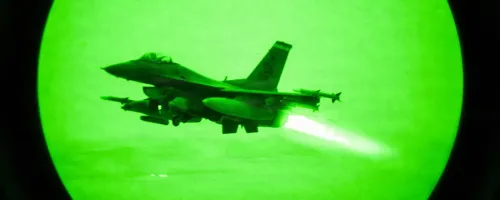
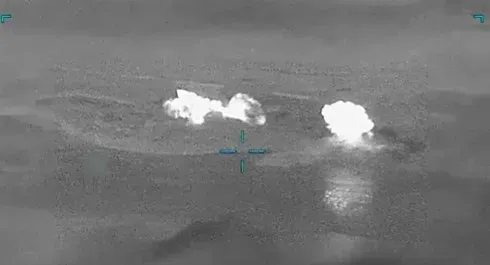
CENTCOM said the strikes were designed to degrade Iran's capacity to threaten international shipping. In a separate post, the command disclosed that 'US Navy and Air Force fighter jets conducted strikes tonight on 10 Iranian military targets at multiple locations in and near the Strait of Hormuz for Iran's drone attack on M/T Kiku.'
Targeted infrastructure reportedly included Iranian military surveillance systems, communication networks, air defence sites, drone storage facilities, and minelayer capabilities — assets directly linked to Tehran's ability to project force in the waterway.
Why the Strait of Hormuz Matters
The Strait of Hormuz is one of the world's most consequential energy chokepoints, handling a significant share of global oil exports. Any sustained disruption to maritime traffic through the strait carries immediate implications for international energy markets and regional security. This is the latest in a series of incidents involving commercial vessels in the area, raising concerns among shipping operators and energy importers worldwide.
Notably, despite the heightened military exchanges, CENTCOM said commercial shipping continues to move through the waterway. 'Commercial vessel transits through the Strait of Hormuz continue. US forces remain vigilant, lethal, and ready,' the command stated.
What Comes Next
The back-to-back strikes mark a significant escalation in the US-Iran standoff over freedom of navigation in the Gulf region. Washington has framed the operations as direct responses to continued Iranian aggression rather than a broader offensive campaign. Whether Tehran chooses to respond further — or whether a renewed ceasefire framework can hold — will determine the trajectory of tensions in one of the world's most strategically sensitive waterways in the days ahead.
Point of View
A ceasefire offered and reportedly spurned, and now ten Iranian military sites struck in a single night. Washington is no longer treating these as isolated incidents — it is systematically targeting the infrastructure that enables Iran's maritime harassment capability. The risk is that each round of tit-for-tat raises the floor for what counts as 'de-escalation', making a genuine off-ramp harder to find. With the Strait of Hormuz carrying a substantial share of global oil exports, the cost of miscalculation is not just regional — it is priced into every energy market on the planet.
NationPress
28 Jun 2026
Frequently Asked Questions
Why did the US conduct fresh strikes on Iran on 27 June?
The US struck multiple Iranian targets on 27 June after Iran allegedly launched a drone attack on the Panama-flagged oil tanker M/T Kiku near the Strait of Hormuz, despite being offered a chance to honour a ceasefire agreement. CENTCOM said the strikes were a direct response to continued Iranian aggression against commercial shipping.
What was the M/T Kiku carrying when it was attacked?
The M/T Kiku was carrying more than two million barrels of crude oil while transiting near the Strait of Hormuz at the time of the drone attack, according to CENTCOM.
What Iranian infrastructure did the US military target?
US Navy and Air Force fighter jets struck 10 Iranian military targets, including surveillance infrastructure, communication systems, air defence sites, drone storage facilities, and minelayer capabilities at multiple locations in and near the Strait of Hormuz.
Is commercial shipping still moving through the Strait of Hormuz?
Yes. Despite the military exchanges, CENTCOM confirmed that commercial vessel transits through the Strait of Hormuz are continuing. The command said US forces 'remain vigilant, lethal, and ready.'
What was the M/V Ever Lovely incident?
The M/V Ever Lovely was a commercial vessel that the US said Iran attacked prior to 27 June, prompting the initial round of US retaliatory strikes. The attack on M/T Kiku followed after Iran allegedly declined to honour a ceasefire, triggering the second, larger wave of US strikes.