US strikes Iran for 9th straight night, CENTCOM targets military sites
Synopsis
Nine consecutive nights of US strikes on Iran — and counting. CENTCOM confirmed the latest wave began Sunday at 7 p.m. ET, targeting military infrastructure linked to attacks on commercial shipping in the Strait of Hormuz. With 50,000 US troops deployed across the Middle East and IRGC forces directly hit in retaliation for the Jordan attack, this is one of the most sustained American military campaigns against Iran on record.
Key Takeaways
The United States struck Iran for the ninth consecutive night on 20 July , with operations beginning at 7 p.m.
Targets include coastal surveillance and air defence facilities , maritime capabilities , and missile and drone storage sites .
On 18 July , the eighth night of strikes also hit IRGC forces responsible for attacking US service members in Jordan on 17 July .
More than 50,000 US military personnel are currently deployed across the Middle East .
The strikes are aimed at degrading Iran's ability to threaten commercial shipping through the Strait of Hormuz .
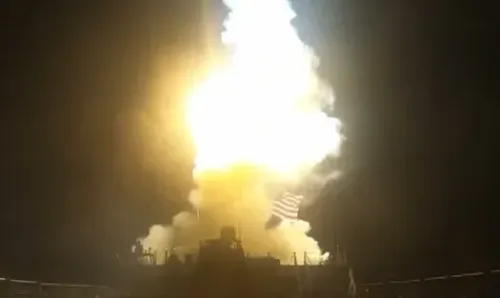
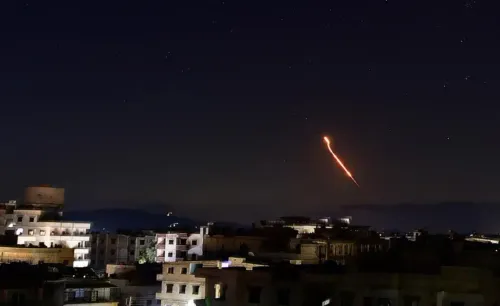
The United States launched a fresh wave of military strikes against Iran on Sunday, 20 July, marking the ninth consecutive night of operations, according to the US Central Command (CENTCOM). The strikes began at 7 p.m. ET and are aimed at degrading Iran's military capabilities, particularly those used to threaten commercial shipping in the Strait of Hormuz.
What CENTCOM Said
In a post on X, CENTCOM confirmed the latest wave of strikes, stating: 'CENTCOM began conducting a new wave of strikes against Iran at 7 p.m. ET today for the ninth consecutive night. The strikes will continue degrading Iranian military capabilities used to attack commercial vessels and civilian mariners transiting the Strait of Hormuz.'
The statement underscores the sustained and deliberate nature of the campaign, now entering its second consecutive week of nightly operations.
Previous Night's Strikes: Key Targets
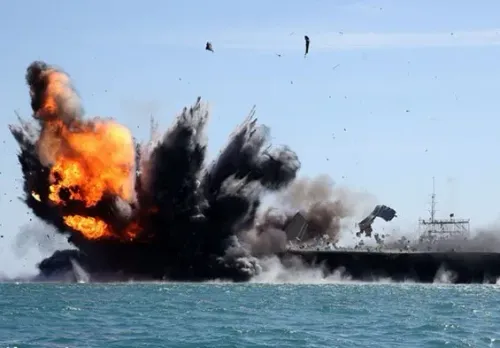
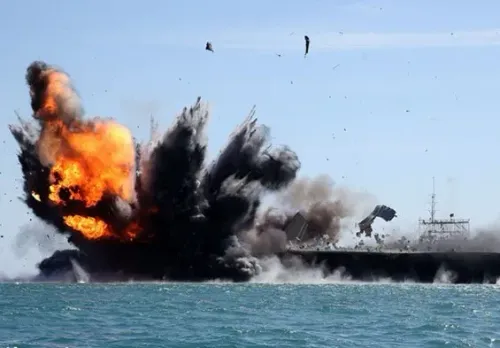
On 18 July, CENTCOM announced the completion of the eighth consecutive night of strikes, carried out at the direction of the Commander in Chief. US forces targeted a range of Iranian military assets, including coastal surveillance and air defence facilities, maritime capabilities, and missile and drone storage sites.
Notably, American military assets also struck Islamic Revolutionary Guard Corps (IRGC) forces that had launched attacks against US service members in Jordan on 17 July — signalling a direct retaliatory dimension to the broader campaign.
Scale of US Military Presence
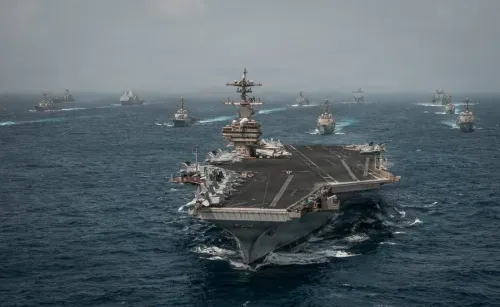
CENTCOM confirmed that more than 50,000 US military personnel are currently operating across the Middle East. The command described its forces as 'highly vigilant, focused, lethal, and ready,' reflecting the elevated operational tempo across the region.
Broader Context and Regional Impact
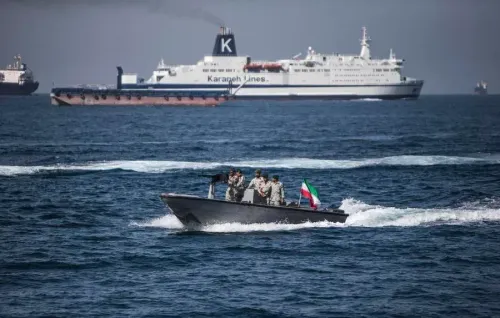
The United States has carried out waves of strikes on military sites and infrastructure in Iran's southern provinces over the past week, claiming the operations are aimed at 'degrading Iran's ability to threaten commercial shipping' in the Strait of Hormuz — one of the world's most critical maritime chokepoints through which roughly 20% of global oil trade passes.
This comes amid sharply escalating tensions in the Middle East, with no diplomatic off-ramp publicly signalled by either side. The scale and frequency of the strikes — nine consecutive nights — represents one of the most sustained US military campaigns against Iran in recent history. How Tehran responds in the coming days will be closely watched by global energy markets and regional allies alike.
Point of View
Which makes the Strait of Hormuz — carrying a fifth of global oil — the real pressure point. Markets and Gulf partners are watching whether Iran's response shifts from proxy harassment to direct confrontation.
NationPress
21 Jul 2026
Frequently Asked Questions
Why is the US striking Iran for nine consecutive nights?
The US says the strikes are aimed at degrading Iranian military capabilities used to attack commercial vessels and civilian mariners in the Strait of Hormuz. CENTCOM has confirmed each night of operations since the campaign began, framing it as a sustained effort to protect global shipping lanes.
What targets has the US hit in Iran?
US forces have targeted coastal surveillance and air defence facilities, maritime capabilities, and missile and drone storage sites in Iran's southern provinces. IRGC forces that attacked US service members in Jordan on 17 July were also struck during the eighth night of operations.
How many US troops are deployed in the Middle East?
CENTCOM confirmed that more than 50,000 US military personnel are currently operating across the Middle East, describing them as 'highly vigilant, focused, lethal, and ready.'
What is the significance of the Strait of Hormuz in this conflict?
The Strait of Hormuz is one of the world's most critical oil transit chokepoints, with roughly 20% of global crude trade passing through it. Iran's alleged attacks on commercial vessels there have been cited by the US as the primary justification for the ongoing strikes.
Has Iran responded to the US strikes?
The source material does not detail a formal Iranian military response to the ninth night of strikes. However, CENTCOM noted that IRGC forces had previously launched attacks against US service members in Jordan on 17 July, which prompted additional targeting during the eighth night of operations.