Strait of Hormuz southern route open; US forces aided 1,000+ vessels in 3 months
Synopsis
Despite an active US blockade and ongoing Iranian aggression, the Strait of Hormuz's southern route remains open — and Washington says a deal to fully normalise passage could come within days. With over 1,000 vessels already assisted and commodity markets watching closely, the next 48 hours could determine whether a fragile calm holds or fractures.
Key Takeaways
CENTCOM confirmed the southern route through the Strait of Hormuz remains open for commercial shipping as of 5 August .
US forces have assisted more than 1,000 vessels in safely transiting the strait over the past three months .
As of 4 August , US forces had redirected 45 commercial vessels, disabled 2 , and boarded 2 for compliance checks.
Treasury Secretary Scott Bessent said a deal to reopen the strait could be reached 'today or tomorrow', with shipping and commodity prices expected to ease thereafter.
Secretary of State Marco Rubio said reopening the strait is Washington's immediate priority, with denuclearisation of Iran as the longer-term goal.
The disruption has affected global supplies of energy, fertilisers, refined petroleum products, and industrial gases.
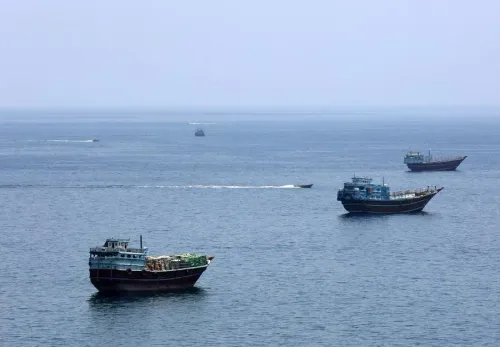
The United States Central Command (CENTCOM) confirmed on 5 August that the southern route through the Strait of Hormuz remains open for commercial shipping, despite what it characterised as continued Iranian aggression. US forces have assisted more than 1,000 vessels in safely navigating the strategically critical waterway over the past three months.
What CENTCOM Said
In a post on X, CENTCOM stated: 'The southern route through the Strait of Hormuz remains free and open for all commercial vessels seeking to transit the international waterway. Over the past three months, U.S. forces have assisted more than 1,000 vessels in successfully transiting the strait despite unwarranted Iranian aggression, and these transits continue today.'
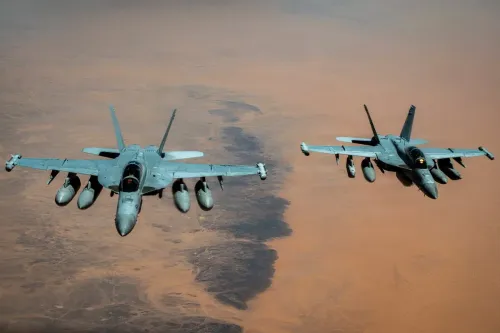
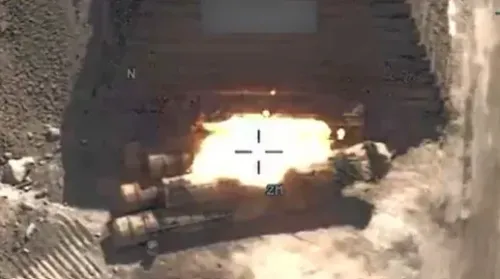
A separate CENTCOM update noted that as of 4 August, US forces had redirected 45 commercial vessels, disabled 2, and boarded 2 to ensure compliance, as part of operations supporting what it described as a US blockade against Iran. The amphibious assault ship USS Boxer (LHD 4) was among the vessels operating in regional waters during this period.
Diplomatic Signals: A Deal Within Days
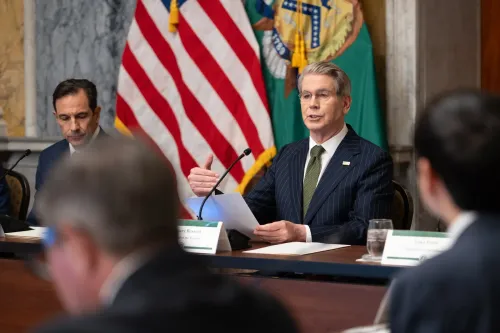
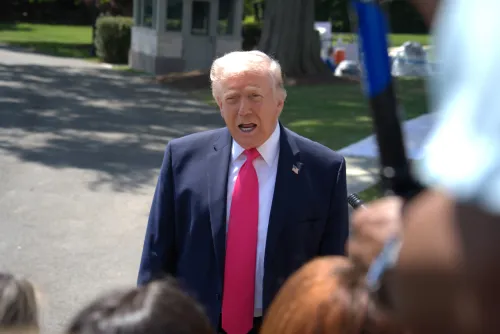
US Treasury Secretary Scott Bessent said on Tuesday that Washington is actively engaged in negotiations with Iran and expressed cautious optimism that a deal to reopen the strait could materialise within days. 'We are in talks with the Iranians, and I think there is a chance we may have a deal today or tomorrow to open the strait and move towards a more normalised position in this conflict,' Bessent said in an interview with CNBC.
Asked whether Iran would be permitted to levy tolls on vessels transiting the Strait of Hormuz, Bessent replied: 'It would be freedom of movement.' He added that shipping and commodity prices were expected to decline further once hundreds of vessels currently stranded in the Gulf were able to resume their journeys.
Broader Economic Impact
Bessent noted that the ongoing disruption has affected not only global energy supplies but also fertilisers, refined petroleum products, and industrial gases — underscoring the strait's outsized role in global commodity flows. The Strait of Hormuz is one of the world's busiest and most strategically sensitive shipping lanes, through which a significant share of the world's seaborne oil passes.
Secretary of State Rubio's Position
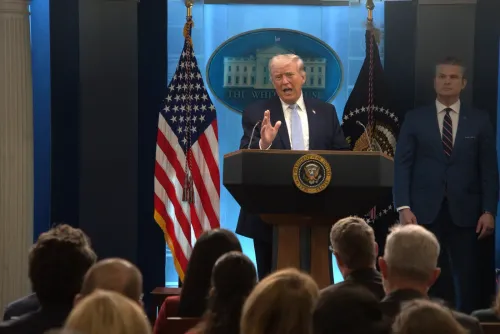
US Secretary of State Marco Rubio said on Tuesday that while Washington's long-term objective remains the denuclearisation of Iran, reopening the Strait of Hormuz is the administration's immediate priority as diplomatic efforts continue. His remarks signal a sequenced approach: stabilise shipping first, then address the broader nuclear question.
What Comes Next
Talks between Washington and Tehran remain ongoing, with both sides reportedly weighing the terms of any potential agreement. Should a deal be reached, analysts expect a swift easing of commodity price pressures that have rippled through global markets since tensions escalated. The situation remains fluid, and any breakdown in negotiations could quickly reverse the cautious optimism expressed by senior US officials.
Point of View
Already pricing in disruption to fertilisers and industrial gases beyond oil, will not be reassured by optimism alone.
NationPress
19 Sept 2026
Frequently Asked Questions
Is the Strait of Hormuz currently open for commercial shipping?
Yes, according to CENTCOM, the southern route through the Strait of Hormuz remains open for commercial vessels. US forces have assisted more than 1,000 ships in transiting the waterway over the past three months, though tensions with Iran persist.
What has the US military done in the Strait of Hormuz?
US forces have redirected 45 commercial vessels, disabled 2, and boarded 2 as of 4 August to ensure compliance, as part of operations supporting a US blockade against Iran. The amphibious assault ship USS Boxer (LHD 4) has been operating in the region.
Is the US close to a deal with Iran on the Strait of Hormuz?
Treasury Secretary Scott Bessent said on Tuesday that a deal could come 'today or tomorrow', describing active talks with Iran aimed at reopening the strait and moving toward a more normalised position. No agreement had been confirmed at the time of reporting.
How has the Strait of Hormuz disruption affected global markets?
Beyond oil, the disruption has affected supplies of fertilisers, refined petroleum products, and industrial gases. Bessent said shipping and commodity prices are expected to decline once stranded vessels resume their journeys following any deal.
What is the US long-term objective regarding Iran?
Secretary of State Marco Rubio stated that Washington's long-term goal remains the denuclearisation of Iran. However, reopening the Strait of Hormuz has been identified as the administration's immediate priority as diplomatic negotiations continue.