US launches third night of Iran strikes, Trump eyes Hormuz control
Synopsis
The US has now struck Iran for three consecutive nights, with President Trump declaring intent to permanently control the Strait of Hormuz — the world's most critical oil chokepoint. Trump also alleged that a near-finalised nuclear or military agreement with Tehran collapsed after Iran sought last-minute changes, framing the strikes as a direct consequence of that breakdown.
Key Takeaways
US Central Command launched a third consecutive night of strikes against Iran beginning at 4:45 p.m.
Targets included Iranian coastal surveillance systems , drone capabilities , and missile assets .
President Trump declared the US would take control of the Strait of Hormuz , accusing Iran of sending drones into the strategic waterway.
Trump alleged a near-finalised agreement with Tehran collapsed after Iran sought revisions following an 11-hour negotiating session .
Trump said Iran's air defence infrastructure had been significantly degraded: 'Most of their equipment is gone.'
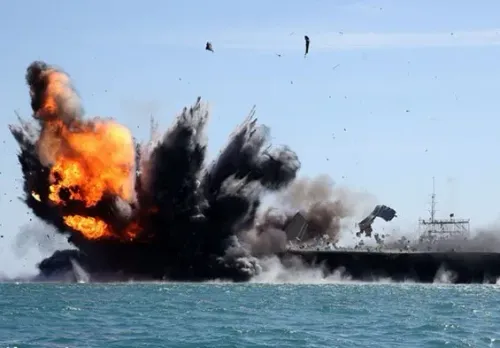
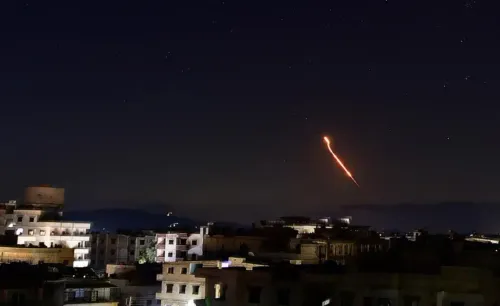
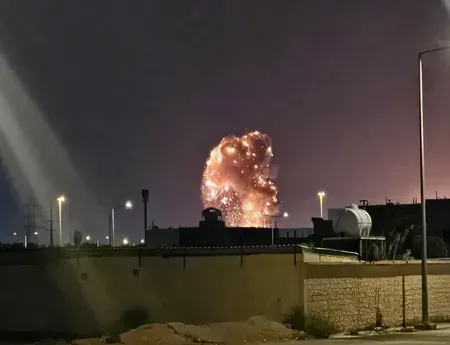
The United States launched a third consecutive night of strikes against Iran on Monday, according to a statement from US Central Command. The military operation, ordered at the direction of the Commander in Chief, began at 4:45 p.m. ET and targeted Iranian military infrastructure including coastal surveillance systems, drone capabilities, and missile assets.
Key Developments
US Central Command confirmed the strikes in an official statement, saying: 'At 4:45 p.m. ET today, US Central Command began launching the third consecutive night of strikes against Iran, at the Commander in Chief's direction.' According to reports citing a US official, the targets included coastal surveillance systems as well as drone and missile capabilities.
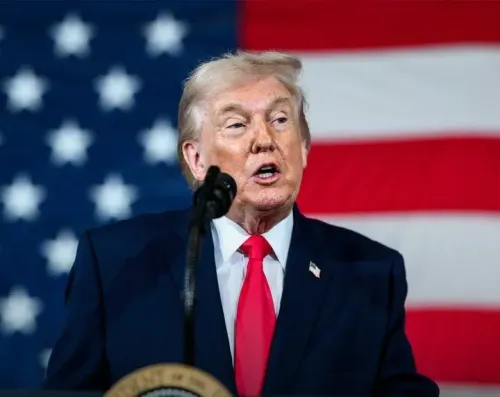
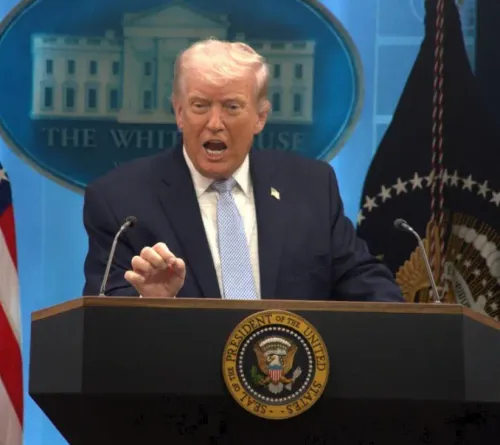
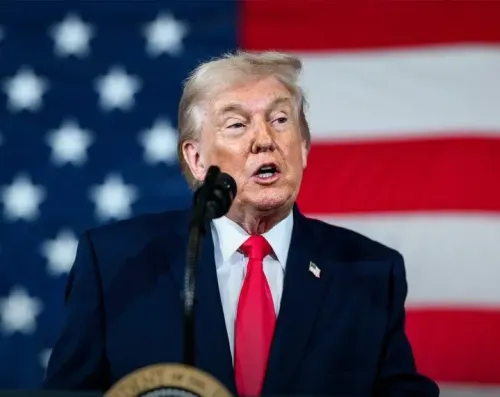
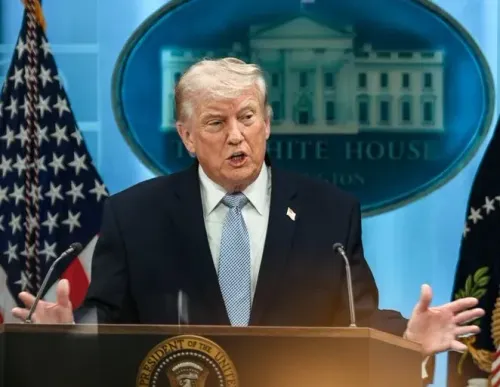
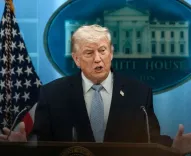
Speaking at the White House earlier on Monday, President Donald Trump signalled an intensified posture: 'We're going to hit them very hard tonight, and we're going to hit them hard tomorrow.'
Trump Claims 'Done Deal' Was Broken by Iran
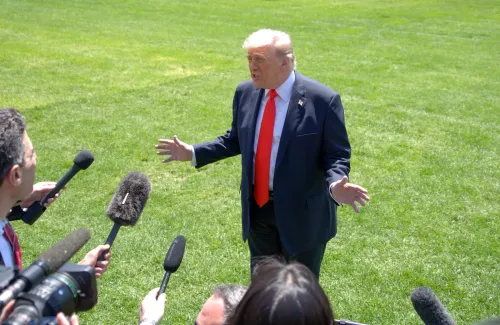
Trump alleged that Washington and Tehran had reached a near-finalised agreement before Iran sought to revise its terms following lengthy negotiations. 'We had a deal. It was a done deal. And then they broke it,' Trump said. He described Iranian negotiators as having held an 11-hour meeting and initially agreeing to all terms under discussion, only to subsequently call back seeking changes.
'I said, changes? They got to make changes? We're not going to make changes. Always changes,' Trump said. 'You know, they're professional negotiators. That's all they are. I don't even call them good at it.'
US Signals Control of Strait of Hormuz
In a significant escalation of rhetoric, Trump on Monday declared that the United States would take control of the Strait of Hormuz and could permanently oversee security of the strategic waterway, accusing Iran of breaking a military agreement and continuing to send drones into the strait. 'We're taking over the Strait. They have nothing. They've got nothing,' Trump said in an interview with Fox News.
The Strait of Hormuz is one of the world's most critical oil transit chokepoints, through which roughly 20% of global petroleum supplies pass. Any prolonged US military presence or escalation in the strait carries significant implications for global energy markets and regional stability.
Military Toll and What Comes Next
Trump claimed that the overnight strikes had degraded Iran's air defence capabilities significantly. 'Most of their equipment is gone. Their anti-aircraft gun, we hit them very hard last night,' he said. The US has stated it will continue to respond forcefully to any new Iranian drone activity in the region.
This marks the third successive night of US military action against Iran, representing a sharp and sustained escalation. Analysts warn that the combination of direct strikes, disputed diplomacy, and the Hormuz declaration raises the risk of a broader regional confrontation. How Tehran responds in the coming hours will be closely watched by governments and markets worldwide.
Point of View
And Trump's Hormuz declaration transforms a military operation into a geopolitical ultimatum. The Strait of Hormuz handles roughly a fifth of the world's oil supply; any move toward permanent US military oversight would redraw the regional security architecture and put Gulf states in an impossible position between Washington and Tehran. What is notably absent from the public record is independent verification of the claimed deal that Iran allegedly broke — Trump's account is detailed but unilateral, and Tehran's version will matter enormously for how this escalation is read internationally. The risk now is that each night of strikes narrows the diplomatic off-ramp further.
NationPress
14 Jul 2026
Frequently Asked Questions
What did the US strike in Iran on Monday?
US Central Command launched the third consecutive night of strikes against Iran on Monday, targeting coastal surveillance systems, drone capabilities, and missile assets, according to reports citing a US official. The operation began at 4:45 p.m. ET at the direction of President Trump.
Why is the Strait of Hormuz significant?
The Strait of Hormuz is one of the world's most critical oil transit chokepoints, through which approximately 20% of global petroleum supplies pass. Trump's declaration that the US would take control of the strait and permanently oversee its security marks a significant escalation with major implications for global energy markets.
What deal did Trump claim Iran broke?
President Trump alleged that Washington and Tehran had reached a near-finalised military or diplomatic agreement following lengthy negotiations, including an 11-hour meeting, before Iran called back seeking revisions. Trump said the US refused to accept changes and launched the strikes in response to the breakdown.
How has Iran's military capability been affected?
Trump claimed that US overnight strikes had significantly degraded Iran's air defence infrastructure, stating 'Most of their equipment is gone.' These claims have not been independently verified, and Iran has not publicly confirmed the extent of damage.
What happens next in the US-Iran confrontation?
The US has signalled it will continue striking Iranian military assets in response to any further drone activity. Trump's declaration of intent to control the Strait of Hormuz suggests the confrontation could expand beyond airstrikes into a broader military and strategic standoff with significant regional and global consequences.