US Navy sinks Iranian tankers near Kharg Island, China's oil supply at risk
Synopsis
Washington has crossed a threshold it never crossed before — moving from financial sanctions to physically destroying the tankers carrying Iranian crude to China. With Kharg Island hit and teapot refineries already low on stock, the disruption to a quarter of China's petroleum production capacity could arrive fast, and Beijing's toolkit to respond is suddenly much smaller.
Key Takeaways
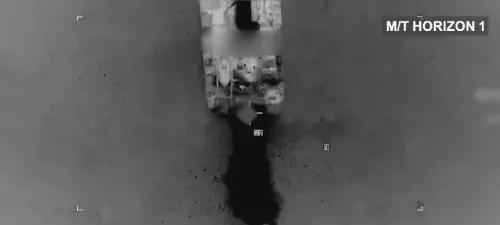
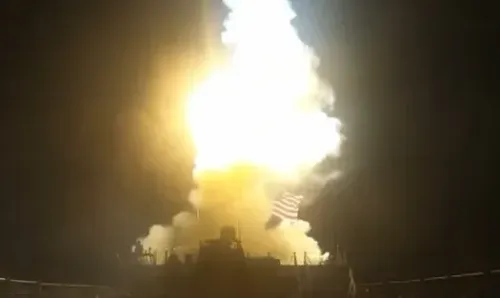
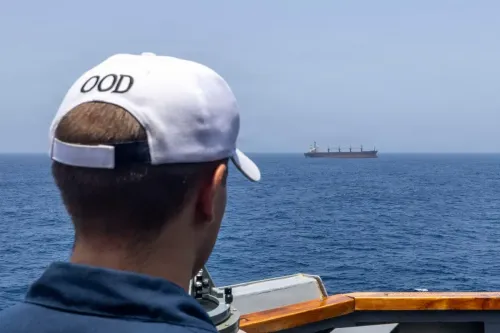
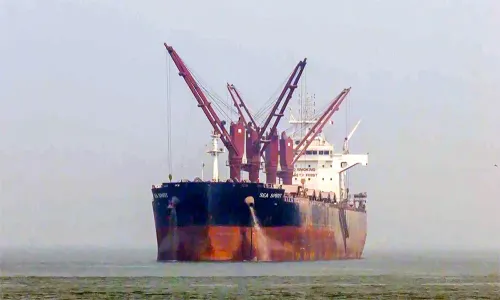
The US Navy sank Iranian oil tankers loading at Kharg Island last week — the terminal handling 90% of Iran's oil exports.
China's 'teapot' refineries , which account for 25% of the country's petroleum output, rely almost entirely on discounted Iranian crude.
Unlike financial sanctions, physical destruction of tankers cannot be circumvented through alternative payment rails or barter clearing.
Teapots were already running low on stocks due to reduced flows through the Strait of Hormuz before the strikes occurred.
The refineries operate on wafer-thin margins dependent on the sanctioned-crude discount — without it, no domestic substitute exists at the same price.
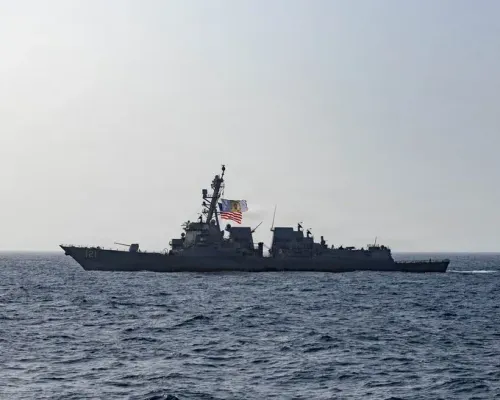
The US Navy's destruction of Iranian oil tankers near Kharg Island last week is expected to deal a significant blow to China's crude oil supply chain, going well beyond the decade-long financial sanctions that Beijing had successfully circumvented, according to an analysis published in Modern Diplomacy. The strike marks the first time Washington has directly targeted the physical infrastructure feeding Chinese refineries.
Why Kharg Island Makes This a Turning Point
Kharg Island serves as the loading terminal for 90 per cent of Iran's oil exports. Striking tankers at this chokepoint is categorically different from earlier financial measures — it physically removes vessels from a supply chain that cannot be quickly reconstituted. As the article notes, ships that have sunk to the bottom of the sea cannot be replaced on short notice.
This comes amid an already strained global oil market, with the Strait of Hormuz chokepoint reportedly under pressure, reducing overall supply availability. The teapot refineries were already running low on stocks even before last week's naval strikes.
China's 'Teapot' Refineries at the Centre of the Crisis
The bulk of Iran's discounted crude has been absorbed by China's smaller independent coastal refineries, colloquially known as 'teapot' refineries. These facilities account for 25 per cent of China's total petroleum product output and have built their entire business model around sourcing sanctioned crude — Iranian, Russian, and Venezuelan — at steep discounts that larger state refiners would not touch.
According to the Modern Diplomacy analysis: Unlike China's state oil majors, which avoid sanctioned crude to protect their access to Western banks and capital markets, teapots built their business model on the opposite trade: buying Iranian, Russian and Venezuelan oil at steep discounts state refiners won't touch.
How China Dodged Sanctions — Until Now
For years, teapot refineries sidestepped US financial sanctions by routing payments through China's own payment rails and barter-style clearing arrangements, effectively bypassing dollar-denominated transactions. With backing from the Chinese government, this system allowed them to absorb nearly all the crude Iran was still able to export.
However, the physical destruction of tankers represents a qualitatively different challenge. Financial workarounds cannot conjure replacement vessels overnight, and the analysis argues that no domestic substitute is available at comparable prices.
Thin Margins Leave Teapots Exposed
Teapot refineries reportedly operate on extremely thin margins that are almost entirely dependent on the discounted price of sanctioned crude to remain competitive against better-capitalised state oil companies. Once that discount evaporates — whether through supply disruption or the destruction of the tankers carrying it — the economics of their operations become unviable.
The cumulative pressure of tanker losses and the Hormuz supply squeeze means the impact on Chinese refining capacity is expected to be felt sooner rather than later, according to the analysis. How Beijing responds — diplomatically, commercially, or otherwise — is now a question that energy markets and geopolitical analysts will be watching closely.
Point of View
One that bypasses every financial workaround Beijing has engineered. The question mainstream coverage underplays is what this means for global energy prices: if 25% of Chinese refining throughput faces a supply crunch simultaneously with Hormuz pressure, the price signal will travel far beyond Beijing. India, which imports a significant share of its crude from the Gulf, has every reason to watch this escalation with more than academic interest.
NationPress
14 Sept 2026
Frequently Asked Questions
What did the US Navy strike near Kharg Island?
The US Navy sank Iranian oil tankers that were loading crude at Kharg Island, the terminal responsible for 90% of Iran's oil exports. This occurred last week and is described as the first direct American attack on the physical supply chain delivering Iranian crude to Chinese refineries.
Why does the sinking of Iranian tankers affect China's oil supply?
China's smaller independent 'teapot' refineries — which account for 25% of the country's petroleum production — depend heavily on cheap Iranian crude. Destroying the tankers that carry this oil removes vessels that cannot be quickly replaced, physically severing a supply line that financial workarounds cannot restore.
What are China's 'teapot' refineries?
Teapot refineries are China's smaller, independent coastal oil processors that built their business model around buying sanctioned crude — from Iran, Russia, and Venezuela — at steep discounts that state-owned majors avoid to protect their access to Western financial markets. They produce about 25% of China's petroleum products.
How did China previously avoid US sanctions on Iranian oil?
Chinese teapot refineries routed payments through China's own payment infrastructure and barter-style clearing systems, bypassing dollar transactions entirely. With government backing, this allowed them to absorb nearly all the crude Iran could still export despite financial sanctions — an arrangement that physical destruction of tankers now undermines.
How soon could the impact on Chinese oil supply be felt?
The impact is expected sooner rather than later, according to the Modern Diplomacy analysis. Teapot refineries were already running low on stocks due to reduced flows through the Strait of Hormuz before the naval strikes, leaving them with limited buffer against further supply disruptions.