JD Vance dodges Senate loss question on Iran war at White House
Synopsis
JD Vance wouldn't say whether the Iran war was worth losing the Senate — and that silence spoke louder than Trump's confident 'yes.' With oil near $80 a barrel instead of the feared $300, and petrol down 60 cents a gallon in a month, the administration is trying to frame the war's economic damage as manageable. Whether voters agree is a different question entirely.
Key Takeaways
JD Vance declined on 21 November 2026 to say whether the Iran war was worth Republicans losing the Senate .
President Trump said he would make the same decision again, citing the need to prevent Iran from acquiring a nuclear weapon.
Trump acknowledged the war drove up fuel prices but said oil is near $80 a barrel , far below his feared peak of $300 .
US petrol prices have reportedly fallen by 60 cents a gallon in a month, according to Trump.
Iran's nuclear programme was discussed by Trump, Xi Jinping , and Vladimir Putin at a summit in Shenzhen , though no specific agreement was announced.
Trump first withdrew the US from the Iran nuclear accord in 2018 , setting off the chain of events that led to the current standoff.
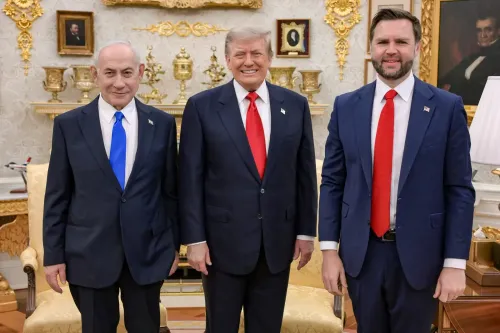
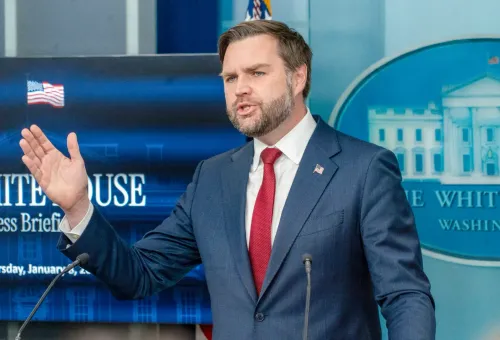
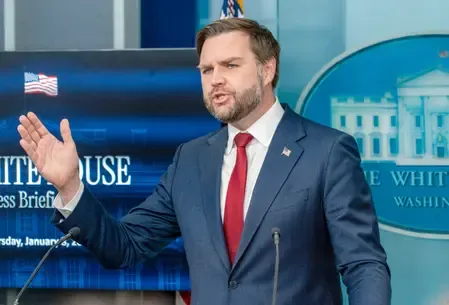
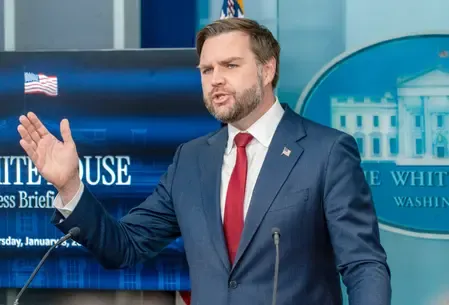
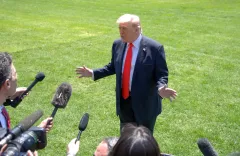
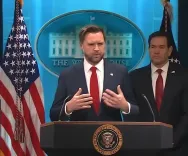
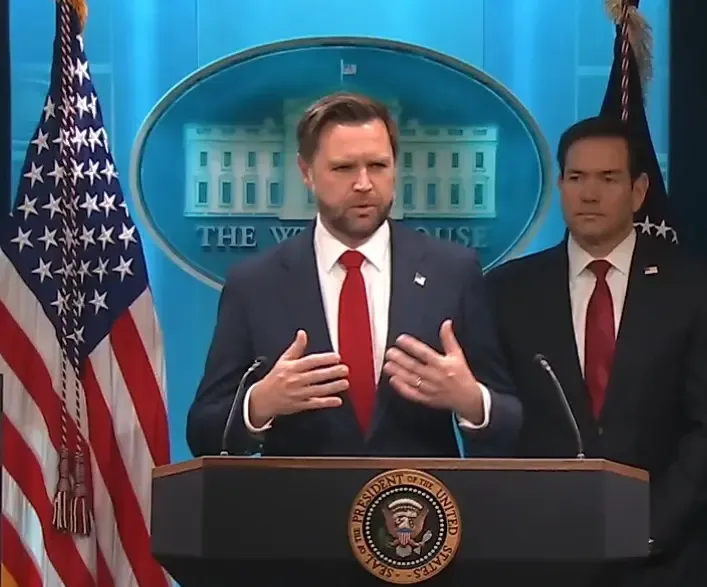
US Vice President JD Vance declined on Friday, 21 November 2026, to directly answer whether the war with Iran was worth the cost of Republicans losing control of the Senate, sidestepping the question at a White House news conference even as President Donald Trump stood beside him. Trump, returning from an Asia trip, was unequivocal: he said he would make the same decision again.
What Vance Said — and Didn't Say
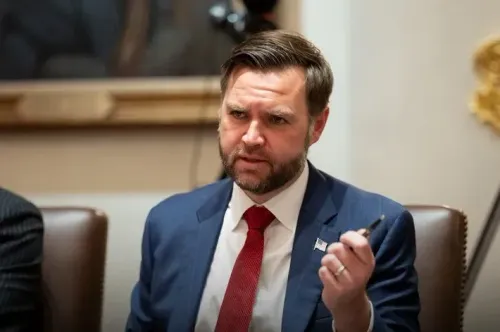
A reporter pressed Vance about a post he had written following the midterm elections, asking whether he would personally argue that the Iran war was worth the Senate losses. Vance responded by outlining the threat he believes a nuclear-armed Iran would pose, calling Tehran 'the largest state sponsor of terrorism' and warning that such a weapon could be used to exert pressure or carry out an attack killing thousands.
'Well, look, what I've said is the goal of keeping Iran from getting a nuclear weapon is absolutely what we need to be doing,' Vance said. He then deflected on the core question of political cost, saying the decision had been the president's and that his job was to support Trump. He offered no personal assessment of whether the war had been worth the Republican losses in the Senate.
Trump Doubles Down, Addresses Vance Post
Trump addressed the controversy over Vance's post directly at the same news conference. He denied reports that he had been unhappy with what Vance had written or had sought an amendment to the statement, describing it as accurate. The only addition he would have made, he said, was his own unambiguous answer.
'And absolutely, the answer is yes, because we cannot allow Iran to have a nuclear weapon,' Trump said. He also said members of his administration were entitled to their own opinions.
Fuel Prices and the Economic Cost
Trump acknowledged that the war had driven up fuel prices, though he said the increase had been smaller than he had feared. He said he had anticipated oil could reach $300 a barrel but put the price on Friday at close to $80. He also noted that US petrol prices had fallen by 60 cents a gallon in a month, while adding that the outlook for motorists would depend partly on whether Washington and Tehran reached a broader agreement.
Iran Discussed at Shenzhen Summit
Iran's nuclear programme also featured during Trump's meetings with Chinese President Xi Jinping and Russian President Vladimir Putin in Shenzhen. Trump said the three leaders had discussed at length how to prevent Tehran from acquiring a nuclear weapon, though he announced no specific agreement with either leader on Iran.
Background: US-Iran Nuclear Tensions
Iran's nuclear ambitions have been a defining issue for Trump across both his terms. In 2018, his administration withdrew the United States from the nuclear accord that Iran had reached three years earlier with six world powers — a deal that had placed limits on Tehran's nuclear activities in exchange for sanctions relief. The current conflict represents a dramatic escalation of that long-running standoff, the political and economic consequences of which are still unfolding.
Point of View
Asked point-blank whether a war his administration launched was worth the political price, chose to pivot to threat-framing rather than own the outcome — a telling signal of internal discomfort even as Trump projects confidence. The oil-price narrative is also worth scrutinising: Trump's $80-a-barrel framing is designed to lower the bar ($300 was always an outlier forecast), but the Senate majority is gone regardless of where crude trades. The Shenzhen trilateral on Iran produced no concrete agreement, which raises the question of whether diplomatic off-ramps are closing faster than Washington is acknowledging.
NationPress
21 Nov 2026
Frequently Asked Questions
What did JD Vance say about the Iran war and the Senate losses?
Vance declined to directly answer whether the Iran war was worth Republicans losing control of the Senate. Instead, he described the threat a nuclear-armed Iran would pose and said his role was to support President Trump's decision.
What was President Trump's position on the Iran war decision?
Trump said he would make the same decision again, stating that the United States 'cannot allow Iran to have a nuclear weapon.' He also denied reports that he had asked Vance to amend a post about the midterm election outcome.
How has the Iran war affected fuel prices according to Trump?
Trump acknowledged the war drove up fuel prices but said the impact was less than feared — oil is near $80 a barrel rather than the $300 he had worried about. He also said US petrol prices had fallen by 60 cents a gallon in a month.
Was Iran discussed at the Shenzhen summit?
Yes. Trump said he, Chinese President Xi Jinping, and Russian President Vladimir Putin discussed at length how to prevent Iran from acquiring a nuclear weapon during their Shenzhen meeting, though no specific agreement on Iran was announced.
What is the history of the US-Iran nuclear dispute under Trump?
In 2018, Trump withdrew the United States from the nuclear accord Iran had reached with six world powers in 2015, which had limited Tehran's nuclear activities in exchange for sanctions relief. The current conflict represents a dramatic escalation of that longstanding dispute.