Iran nuclear talks in Doha 'going well', says US VP Vance with military warning
Synopsis
US Vice President JD Vance called the Doha negotiations with Iran 'going well' — but in the same breath drew hard military red lines over nuclear activity and commercial shipping. With oil at $68 and Qatar brokering, the talks mark Washington's first serious post-strike diplomatic push, and Tehran's internal divisions may decide whether the window stays open.
Key Takeaways
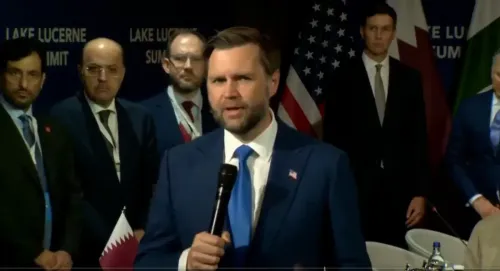
US Vice President JD Vance confirmed on 2 July that Iran talks in Doha are 'going well', involving the US, Iran, Qatar, and other nations.
Vance warned that President Trump retains military options if Iran rebuilds its nuclear programme, blocks inspections, or attacks commercial vessels.
Immediate focus of talks is restoring safe commercial shipping; oil has fallen to $68 per barrel, with fuel prices easing.
Vance indicated internal divisions within Tehran , with some Iranian officials reportedly open to resetting ties with the West and Gulf states.
Qatar is playing a central mediating role following recent US military strikes on Iranian nuclear and military facilities.
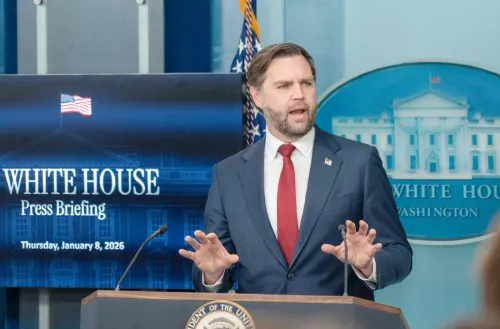
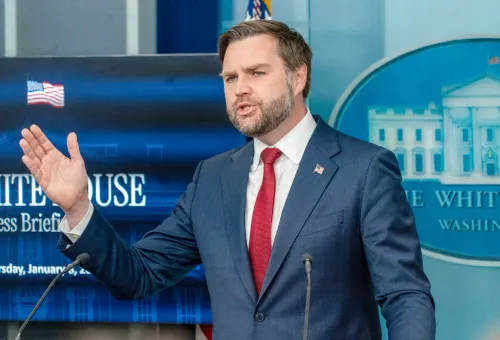
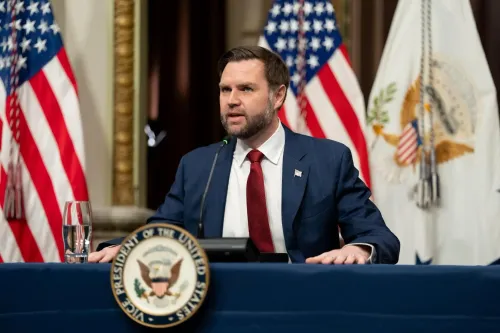
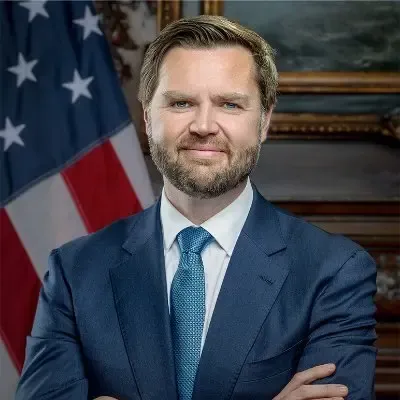
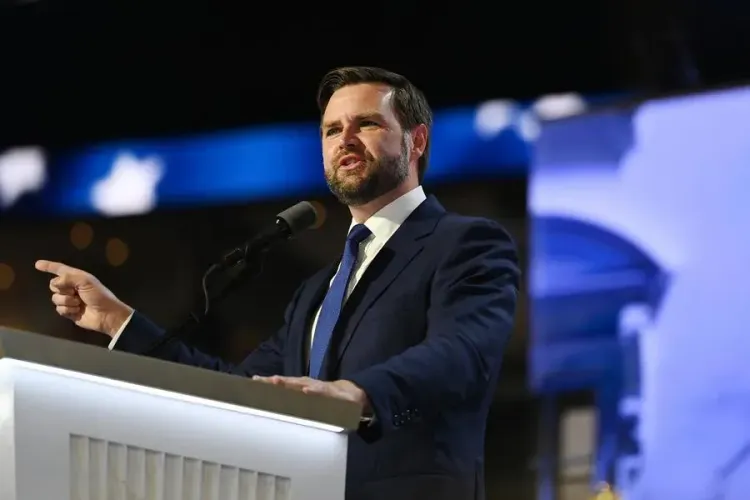
US Vice President JD Vance on Wednesday said that multi-party negotiations with Iran in Doha were progressing positively, while cautioning that President Donald Trump would not rule out further military action if Tehran resumed its nuclear programme or targeted commercial shipping lanes.
State of the Talks
Vance made the remarks to reporters before departing Naval Air Station Oceana in Virginia aboard Air Force Two. He confirmed that negotiators from the United States, Iran, Qatar, and other nations were actively engaged in Doha on next steps following recent US military strikes on Iranian targets.
'Right now the negotiators are sitting down with the Iranians, with the Qataris and with others in Doha,' Vance said. 'Right now the talks are going well. It's still pretty early, but talks are going well.'
Commercial Shipping and Oil Prices
The Vice President said the immediate priority was restoring safe passage for commercial vessels through the region. He pointed to early signs of progress, noting that oil prices had fallen to $68 and that fuel costs were beginning to ease.
'Commercial traffic really does... It's already started in an amazing direction,' he said, adding that the nuclear issue would be addressed in subsequent rounds of talks.
Military Options Remain on the Table
Vance was unambiguous that diplomacy did not mean disarmament of US leverage. He said Trump had no intention of redeploying military force without clear cause, but drew firm red lines.
'If they try to rebuild their nuclear programme, if they try to start shooting at commercial vessels again, that's going to change our calculus,' he said. He added that any refusal to permit international nuclear inspections would also trigger a reassessment of the US posture.
Divisions Within Tehran
Asked about the coherence of the Iranian side, Vance suggested there were meaningful internal divisions within the Iranian leadership. He said Washington perceived growing momentum among Iranian officials who recognised that 47 years of confrontational foreign policy had been counterproductive.
'You've got people who actually recognise the last 47 years of their government has been a mistake and that they need to change their relationship with the United States, with Europe, with the Gulf Arab countries,' he said. 'And then you've got a few people who are still kind of attached to the old ways.'
He said the US would continue extending diplomatic space to those within Tehran seeking a course correction.
Background and What Comes Next
The Doha talks follow US military strikes on Iranian nuclear and military facilities ordered by President Trump after tensions escalated in the Gulf. Qatar has assumed a key mediating role between Washington and Tehran. The broader international community has urged de-escalation, with maritime security and nuclear non-proliferation both on the agenda.
Vance also briefly addressed domestic matters, declining to comment on the 2028 presidential election and saying the administration's focus was on near-term results. He said he believed Justice Amy Coney Barrett had 'made a mistake' in a recent birthright citizenship ruling, and dismissed speculation about a possible retirement by Justice Samuel Alito. How far the Doha process advances — and whether Tehran's internal divisions resolve in favour of engagement — will determine whether the current diplomatic window holds.
Point of View
Not a breakthrough declaration — and the military caveats that followed were arguably the more substantive part of the statement. Washington is negotiating from a position of demonstrated force, which gives it leverage but also narrows Iran's domestic space for compromise. The reference to 47 years of Iranian foreign policy being 'a mistake' — attributed to voices within Tehran itself — is either a genuine intelligence read or a rhetorical framing designed to isolate hardliners. Either way, the Doha process is fragile: Qatar's mediation has delivered proximity talks before without durable outcomes, and the gap between Washington's red lines and Tehran's domestic political constraints remains wide.
NationPress
2 Jul 2026
Frequently Asked Questions
What did JD Vance say about the Iran talks in Doha?
US Vice President JD Vance said on 2 July that negotiations with Iran in Doha were 'going well', describing early-stage discussions involving the United States, Iran, Qatar, and other countries. He said the talks were focused first on restoring safe commercial shipping, with nuclear issues to follow.
What are the US red lines in the Iran negotiations?
Vance stated that the Trump administration would reconsider military options if Iran attempted to rebuild its nuclear programme, refused international inspections, or resumed attacks on commercial vessels. He said President Trump was committed to diplomacy but had not taken force off the table.
Why is Qatar involved in the US-Iran talks?
Qatar is acting as a key mediator between Washington and Tehran, a role it has played in previous regional diplomatic processes. The Doha talks follow recent US military strikes on Iranian nuclear and military facilities that escalated Gulf tensions.
What is the significance of oil falling to $68?
Vance cited oil prices dropping to $68 per barrel as an early indicator that the de-escalation process was having a stabilising effect on energy markets and commercial shipping confidence in the Gulf region.
Are there divisions within Iran's leadership over the talks?
Vance suggested there are meaningful internal divisions in Tehran, with some Iranian officials reportedly recognising that decades of confrontational foreign policy had been counterproductive. He said Washington saw momentum among those seeking to reset relations with the US, Europe, and Gulf Arab states.