DR Congo Ebola crisis: Violence displaces 15,000, cases cross 6,100
Synopsis
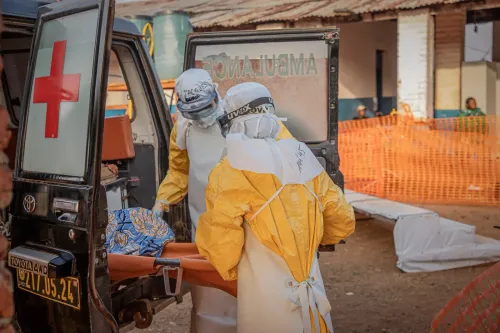
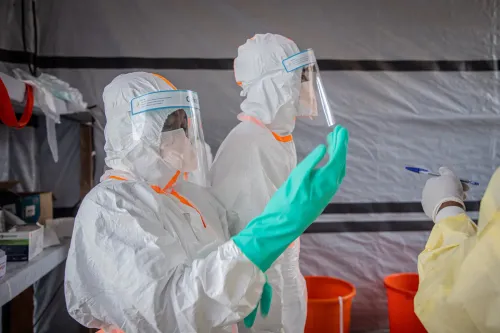
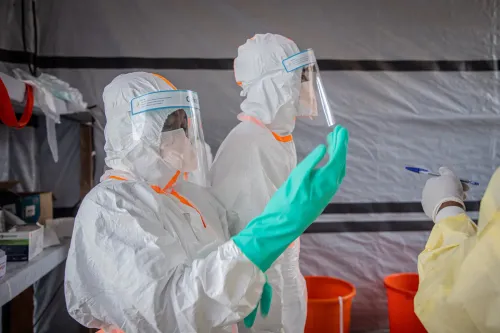
With more than 6,100 Ebola cases and nearly 2,950 deaths, the DRC's outbreak is bad enough — but armed violence in Ituri, South Kivu, and North Kivu is now displacing thousands and actively blocking health workers. UN relief chief Tom Fletcher's blunt warning that the epidemic is 'growing exponentially' while the response remains 'incremental' signals a crisis at serious risk of spiralling out of control.
Key Takeaways
Over 6,100 confirmed Ebola cases and nearly 2,950 deaths recorded in the DRC as of Sunday, 1 September .
Armed attacks in Ituri province's Mambasa territory killed at least 37 civilians and led to the abduction of more than 35 people on Saturday.
Clashes in South Kivu's Walungu territory have displaced at least 15,000 people since 23 August .
The International Organization for Migration (IOM) has conducted nearly 23 million health screenings in the DRC and neighbouring countries.
UN relief chief Tom Fletcher warned the epidemic is 'growing exponentially' and called for political will, access, and resources to scale up the response.
Armed violence in eastern Democratic Republic of the Congo (DRC) is triggering fresh waves of mass displacement, severely hampering the ongoing response to the country's Ebola outbreak, the United Nations warned on Tuesday, 2 September. As of the previous Sunday, national health authorities had recorded more than 6,100 confirmed Ebola cases and nearly 2,950 deaths, figures that the UN says risk climbing further as insecurity obstructs disease surveillance.
Civilian Casualties and Displacement
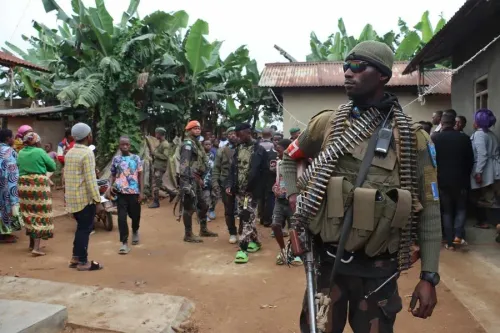
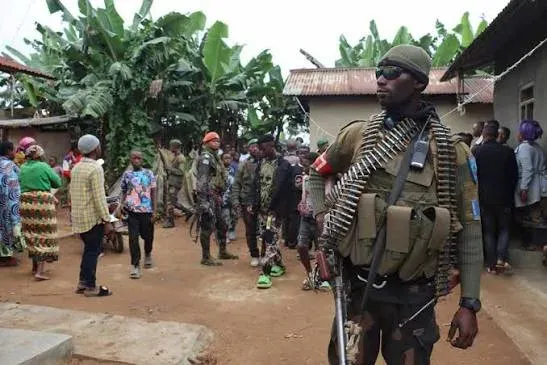
The UN Office for the Coordination of Humanitarian Affairs (OCHA) reported that in Ituri province, local civil society sources documented at least 37 civilians killed and more than 35 people abducted during armed attacks in the territory of Mambasa on Saturday. At least 86 civilians were killed in attacks across the same territory during the preceding month alone.
In neighbouring South Kivu province, clashes in Walungu territory have displaced at least 15,000 people since 23 August, according to OCHA's humanitarian partners. The majority of those displaced are sheltering with host families and urgently require food, shelter, and healthcare. Active fighting is also forcing displacement in parts of North Kivu province, compounding an already acute humanitarian emergency.
Why Violence Undermines the Ebola Response
The link between armed conflict and disease containment failure is well-established in public health literature, and the DRC's current crisis illustrates it starkly. Insecurity forces health workers to suspend field operations, disrupts contact tracing, and pushes infected or exposed individuals into new communities — accelerating transmission. This is not the first time the DRC has faced this double burden; the 2018–2020 Ebola outbreak in North Kivu, which killed more than 2,200 people, was similarly prolonged by ongoing armed conflict.
OCHA noted that the movement of people fleeing violence directly hampers disease surveillance, making it harder to identify new cases and contain spread before it reaches population centres or crosses international borders.
What the UN Is Doing
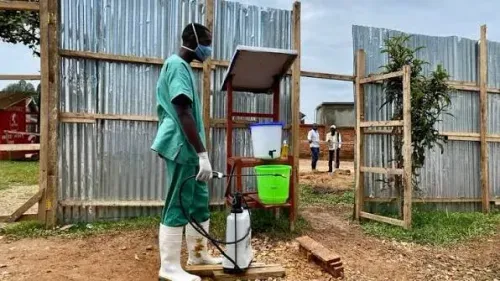
Despite the deteriorating security environment, the UN and its humanitarian partners said they are continuing to support government-led response efforts. The International Organization for Migration (IOM) reported it has conducted nearly 23 million health screenings across the DRC and neighbouring countries, aimed at monitoring population movements, detecting potential Ebola cases, and reducing the risk of cross-border transmission.
The United Nations reiterated its call on all armed parties to protect civilians and to allow safe, sustained, and unhindered humanitarian access — describing such access as critical to delivering life-saving assistance and bringing the outbreak under control.
UN Relief Chief's Warning
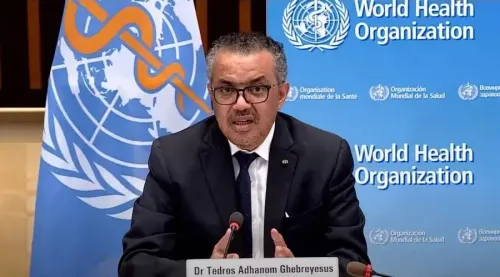
Tom Fletcher, UN Under-Secretary-General for Humanitarian Affairs and Emergency Relief Coordinator, issued a stark warning at a virtual briefing hosted by the World Health Organization (WHO). 'We cannot respond incrementally to an epidemic which is now growing exponentially,' he said.
Fletcher called for a sustained, large-scale operation to get ahead of the Ebola virus, stressing that affected communities need functioning health services, clean water, sanitation, food, protection, and livelihoods — and, above all, trust. 'Time is not on our side. We have the experience, the tools, extraordinary people risking their lives to stop this epidemic. What we need now is political will, access, and resources. We have beaten Ebola before. And we can do it again,' he said.
With case counts rising and armed violence showing no sign of abating, the UN's ability to scale up its response will depend heavily on whether warring parties heed calls for civilian protection and humanitarian access in the weeks ahead.
Point of View
But they are a workaround, not a solution; without armed groups standing down and humanitarian corridors holding, contact tracing will keep collapsing at the critical last mile. Fletcher's 'exponential vs incremental' framing is the most honest thing the UN has said publicly about this crisis — and it implicitly indicts the international community's funding and political will, not just the warring parties.
NationPress
2 Sept 2026
Frequently Asked Questions
How many Ebola cases and deaths have been recorded in the DRC?
As of Sunday, 1 September, national health authorities had reported more than 6,100 confirmed Ebola cases and nearly 2,950 deaths in the Democratic Republic of the Congo. The UN warns these numbers risk rising further as armed violence disrupts disease surveillance.
How is the violence in eastern DRC affecting the Ebola response?
Armed conflict is forcing mass displacements across Ituri, South Kivu, and North Kivu provinces, which directly hampers disease surveillance and contact tracing. When people flee violence into new communities, it becomes harder to track Ebola exposure and contain transmission before it spreads further.
How many people have been displaced in South Kivu since August 23?
At least 15,000 people have been displaced in Walungu territory, South Kivu province, since 23 August, according to OCHA's humanitarian partners. Most are sheltering with host families and urgently need food, shelter, and healthcare.
What has the UN called for to address the crisis?
The UN has called on all armed parties to protect civilians and allow safe, sustained, and unhindered humanitarian access. UN relief chief Tom Fletcher specifically called for a sustained, large-scale operation backed by political will, access, and adequate resources to contain the exponentially growing epidemic.
What health screenings has the IOM conducted in the DRC?
The International Organization for Migration has conducted nearly 23 million health screenings across the DRC and neighbouring countries. These screenings are designed to monitor population movements, detect potential Ebola cases early, and reduce the risk of cross-border transmission.