White House Marks One Year of No Tax on Tips Policy
Synopsis
The White House on 8 July 2026 reshared a post from Representative Mike Haridopolos marking one year of the 'No Tax on Tips' initiative, framing the policy as delivering financial wins for service-sector workers across the United States. The measure, first pledged by Donald Trump in June 2024, exempts gratuities from federal income tax.
Key Takeaways
The White House amplified a post on 8 July 2026 marking the one-year anniversary of the 'No Tax on Tips' policy.
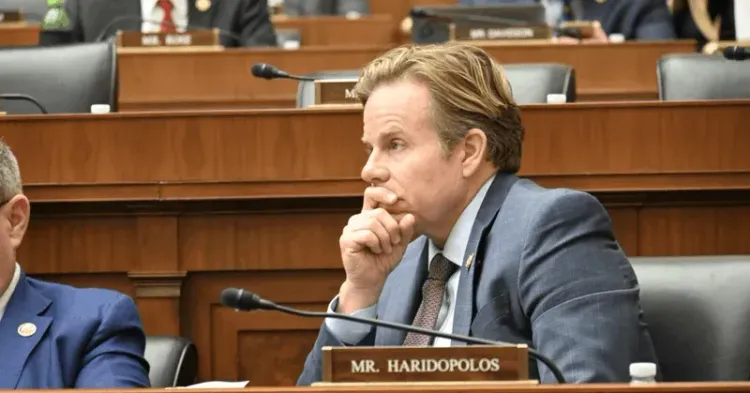
Representative Mike Haridopolos authored the original post highlighting wins for working families under the initiative.
The 'No Tax on Tips' pledge was first announced by Donald Trump in June 2024 as a campaign promise targeting tipped service workers.
Primary beneficiaries are employees in hospitality, food service, and personal care industries who rely heavily on gratuities.
Congressional codification of the exemption and new IRS tip-reporting guidance remain pending legislative and regulatory steps.
The policy is part of a broader Republican tradition of targeted tax relief, echoing themes from the 2017 Tax Cuts and Jobs Act .
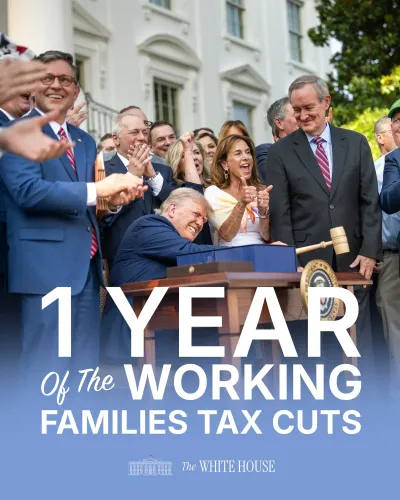
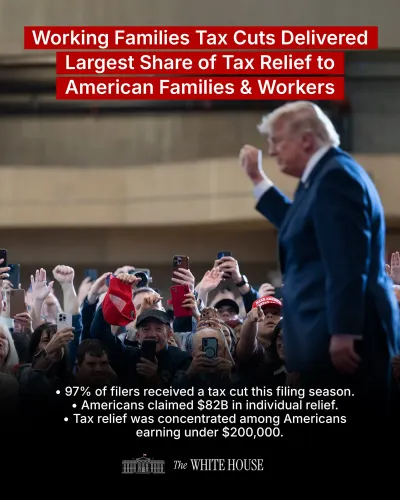
The White House, the official communications account of the Executive Office of the President of the United States, on Wednesday, 8 July 2026, amplified a post from Representative Mike Haridopolos highlighting what the administration describes as one year of wins for working families under the 'No Tax on Tips' policy.
Context
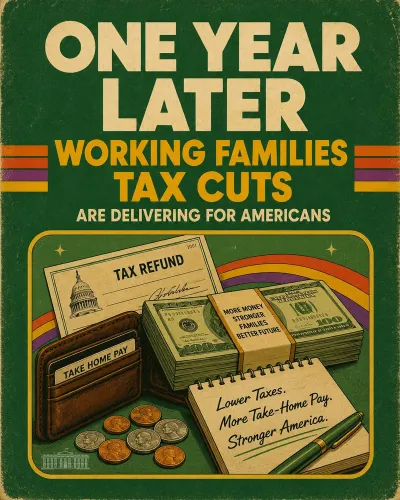
The repost, attributed to @RepHaridopolos, references an article titled 'One Year Later, No Tax on Tips Are Delivering Wins for Working Families,' underscoring the administration's framing of the measure as a tangible benefit for service-sector employees. The White House's decision to amplify the message signals continued institutional backing for the initiative at the one-year mark of its implementation.
The 'No Tax on Tips' pledge was first announced by Donald Trump in June 2024 during his presidential campaign, promising to exempt gratuities earned by hospitality and service workers from federal income taxation. The proposal was positioned as direct relief for millions of Americans in the food service, hotel, and personal care industries who depend significantly on tips as part of their compensation.
Policy Backdrop
The initiative fits within a broader Republican tradition of targeted tax relief messaging, echoing themes from the 2017 Tax Cuts and Jobs Act, which restructured individual income tax rates and deductions for wage earners across income brackets. By zeroing in on tipped workers specifically, the policy sought to distinguish itself as a bottom-up economic measure rather than a broad corporate or capital-gains cut.
Tipped workers — primarily employed in restaurants, hotels, salons, and ride-share services — often fall in lower-to-middle income brackets, making the exemption particularly relevant to discussions around wage adequacy and tax equity. The administration has consistently framed the measure as evidence that Republican economic policy can deliver concrete, immediate benefits to working-class households.
Stakeholders and Impact
The primary beneficiaries identified by proponents are tipped service employees across the United States, a workforce that numbers in the tens of millions. Hospitality industry associations and labour advocates have both tracked the policy closely, with supporters arguing it effectively raises take-home pay without requiring employers to raise base wages.
Critics of the measure, however, have raised questions about revenue implications for the federal government and whether the benefit disproportionately favours workers in higher-tipping markets such as major metropolitan areas. Congressional action to permanently codify the exemption — and forthcoming IRS guidance on tip reporting requirements — remains an area of active legislative interest.
What's Next
With the one-year milestone now being publicly marked by the White House, attention will turn to whether Congress moves to make the tip-tax exemption a permanent fixture of the federal tax code. Any new IRS guidance on how tips must be reported and verified under the new framework will be closely watched by employers and workers alike.
The administration's continued promotion of the policy through official channels suggests it will remain a central pillar of Republican economic messaging heading into the next legislative cycle, particularly as debates over broader tax reform and the expiry of provisions from the 2017 law intensify.
Point of View
Bottom-up benefits rather than top-down corporate windfalls. The move also signals that the tip-tax exemption will remain a live legislative priority, likely as leverage in upcoming negotiations over the extension of expiring provisions from the 2017 tax overhaul. For Indian observers tracking US economic policy, this underscores how targeted tax relief for informal-wage workers has become a durable feature of American political messaging across cycles.
NationPress
8 Jul 2026
Frequently Asked Questions
What is the No Tax on Tips policy in the United States?
The 'No Tax on Tips' policy is a US federal initiative that exempts gratuities earned by service and hospitality workers from federal income taxation. It was first proposed by Donald Trump during his 2024 presidential campaign and has been in effect for approximately one year as of mid-2026.
Who benefits from the No Tax on Tips rule?
Tipped workers — including those in restaurants, hotels, salons, and ride-share services — are the primary beneficiaries, as they no longer owe federal income tax on the gratuities they receive, effectively increasing their take-home pay.
Has No Tax on Tips been made permanent by Congress?
As of July 2026 , congressional action to permanently codify the exemption is still pending. The measure's long-term status depends on legislative negotiations, particularly around broader tax reform debates.
What did the White House post about No Tax on Tips?
On 8 July 2026 , the White House reshared a post from Representative Mike Haridopolos marking one year of the policy and describing it as delivering wins for working families across the United States.
What is the IRS's role in the No Tax on Tips policy?
The IRS is expected to issue guidance on how tipped workers and employers must report gratuities under the new framework. This guidance is closely watched because it will determine the practical compliance requirements for businesses and workers alike.