White House Touts Poll Showing Trump Approval Surge on Iran, Economy
Synopsis
The White House amplified a poll on June 23, 2026, claiming President Trump's approval rating has surged, with voters crediting his Iran policy and economic management. The move fits a pattern of the administration using third-party surveys to validate its maximum-pressure Iran strategy and domestic economic agenda.
Key Takeaways
The White House shared a poll on June 23, 2026 , claiming President Trump 's approval rating has surged.
Voters cited Iran policy and the economy as the primary drivers of the approval uptick, according to the amplified poll.
The White House's Iran stance is rooted in the maximum-pressure strategy launched after the US withdrew from the JCPOA in May 2018 .
Approval ratings on Iran-related policy have historically tracked with oil prices and sanctions enforcement milestones.
Upcoming Iran sanctions waiver decisions and monthly employment and inflation data will be key indicators of whether this trend holds.
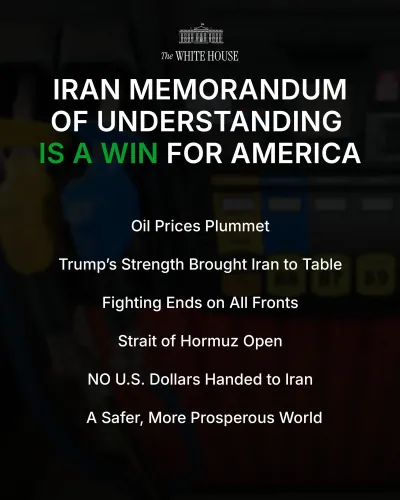
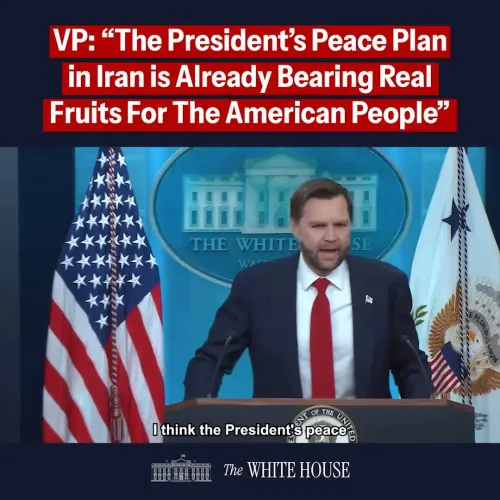
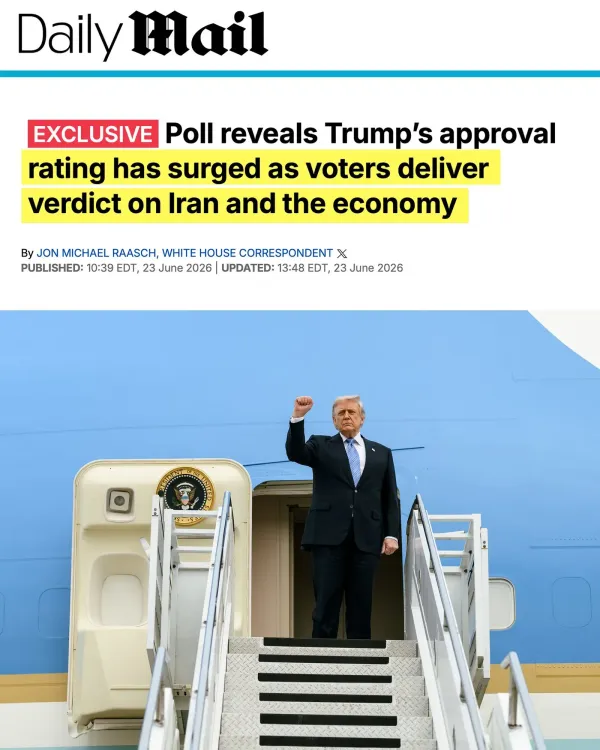
The White House shared a post on Tuesday, June 23, 2026, amplifying a poll that claims President Donald Trump's approval rating has surged, with voters citing his handling of Iran and the economy as key drivers of the uptick.
Context
The post, shared from the official White House account on X, highlighted coverage of a poll indicating a rise in Trump's approval numbers. The White House framed the surge as a direct verdict from voters on two of the administration's signature policy areas: its confrontational posture toward Iran and its domestic economic agenda. No specific poll figures were cited in the post itself.
The amplification of polling data by the White House is consistent with a broader communications strategy of using third-party surveys to validate executive decisions, particularly on foreign policy and economic management.
Policy Backdrop
Trump's Iran policy has deep roots in his first term (2017–2021), when the administration withdrew the United States from the Joint Comprehensive Plan of Action (JCPOA) in May 2018 and reimposed sweeping sanctions under a 'maximum-pressure' strategy. That approach aimed to economically isolate Tehran while simultaneously positioning the US as a dominant global energy producer less dependent on Middle Eastern oil.
The linkage between Iran policy and economic sentiment is not new — approval ratings during Trump's first term showed measurable correlation with oil prices, sanctions enforcement milestones, and reported developments in the region. The current White House appears to be drawing on that same political narrative, connecting a tough foreign-policy stance with voter confidence in economic stewardship.
Stakeholders and Impact
American voters, particularly those in energy-producing states, have historically responded to Iran-related policy shifts that affect global oil supply and domestic fuel prices. A tougher Iran posture tends to tighten global oil supply, which can cut both ways — boosting US energy producers while raising consumer prices at the pump.
The US energy sector remains a key stakeholder in any Iran sanctions calculus. Stricter enforcement of sanctions reduces Iranian crude exports, benefiting domestic producers but adding upward pressure on global energy markets. Voter approval, in this context, often reflects which of these effects is felt more acutely at the household level.
What's Next
Analysts will be watching for any movement on Iran sanctions waivers at the congressional or executive level, which could signal whether the current policy stance is hardening or softening. On the domestic front, the next monthly employment and inflation data releases will be closely scrutinised to determine whether the economic confidence reflected in the poll is durable.
The White House's decision to publicly amplify this polling data suggests the administration intends to keep Iran policy and economic performance at the centre of its political messaging in the weeks ahead.
Point of View
Tying a traditionally complex foreign-policy issue — Iran sanctions — to a simpler domestic narrative of voter confidence and economic strength. This mirrors a well-worn playbook from Trump's first term, where maximum-pressure Iran policy was packaged as both a national-security win and an economic dividend for American workers. For the administration, keeping Iran and the economy in the same headline is strategically valuable: it frames a contested foreign stance as a popular mandate. Whether the approval surge reflects durable sentiment or a short-term rally around a specific event remains the central analytical question.
NationPress
24 Jun 2026
Frequently Asked Questions
Why has Trump's approval rating gone up according to the White House?
The White House cited a poll suggesting Trump's approval has surged because voters approve of his handling of Iran and the economy, though no specific poll figures were included in the post.
What is Trump's Iran policy?
Trump's Iran policy centres on a 'maximum-pressure' strategy involving strict sanctions, which began when the US withdrew from the JCPOA nuclear agreement in May 2018 during his first term.
How does Iran policy affect the US economy?
Stricter Iran sanctions reduce global oil supply, which can benefit US energy producers but also raise fuel prices for consumers, making the economic impact a mixed outcome for American households.
What is the JCPOA and why did the US leave it?
The JCPOA, or Joint Comprehensive Plan of Action, was a multilateral nuclear agreement with Iran. The Trump administration withdrew from it in May 2018 , arguing it was insufficient to prevent Iran from developing nuclear weapons.
What should I watch for next on US-Iran policy?
Key developments to monitor include any changes to Iran sanctions waivers at the congressional or executive level, as well as upcoming US employment and inflation data that will test whether economic confidence is sustained.