FIFA World Cup 2026: US vows Super Bowl-level security for 78 matches
Synopsis
The White House is treating FIFA World Cup 2026 as both a logistical moonshot and a geopolitical statement. With 78 matches across 11 US cities, Super Bowl-style security replicated nearly 80 times over 39 days, and 5 million travel authorisations already processed, the scale is unprecedented — and the symbolism, timed to America's 250th birthday, is entirely deliberate.
Key Takeaways
The FIFA World Cup 2026 will feature 48 teams and 78 matches on US soil across 11 host cities , with over 100 games across North America.
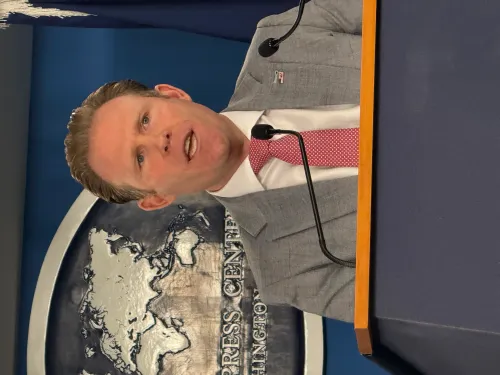
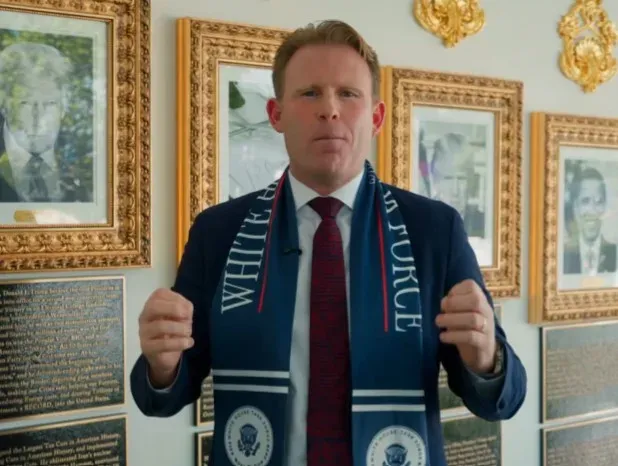
Andrew Giuliani , Executive Director of the White House Task Force on FIFA World Cup 2026 , said every US match will be secured 'like a Super Bowl' with counter-drone coverage at all venues and fan festivals.
More than 5 million electronic travel authorisations have already been processed for visitors from visa-waiver countries.
Visa wait times in Argentina and Brazil have been sharply reduced as part of a 'whole of government' fan-access effort.
The tournament coincides with the 250th anniversary of American independence , which the White House is leveraging as a platform to project national strength.
Intelligence agencies report ' no credible threats ' as of 10 June , though monitoring continues.
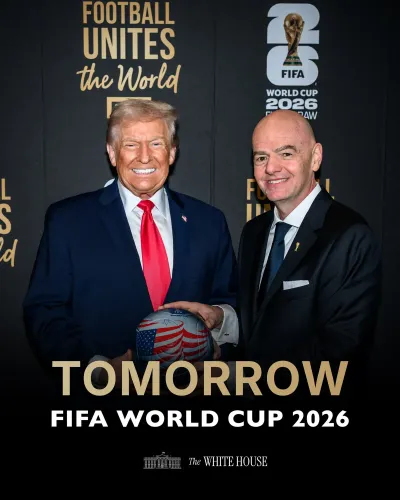
The United States is gearing up to host what the White House describes as the largest sporting event in history, with the FIFA World Cup 2026 set to bring millions of visitors to 11 host cities across the country and serve as a global showcase during America's 250th anniversary celebrations. The tournament kicks off against the backdrop of heightened security planning, diplomatic coordination, and a deliberate effort to project national strength on a world stage.
The Scale of the Tournament
The 2026 FIFA World Cup will feature 48 teams and is jointly hosted by the United States, Canada, and Mexico. Of the more than 100 matches to be played across North America, 78 will be held on US soil. Andrew Giuliani, Executive Director of the White House Task Force on the FIFA World Cup 2026, told an Atlantic Council event in Washington on 10 June that his mission was straightforward: 'to make this the greatest sporting event in world history.'
Security Modelled on the Super Bowl
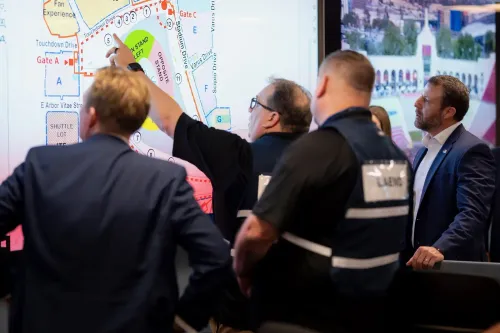
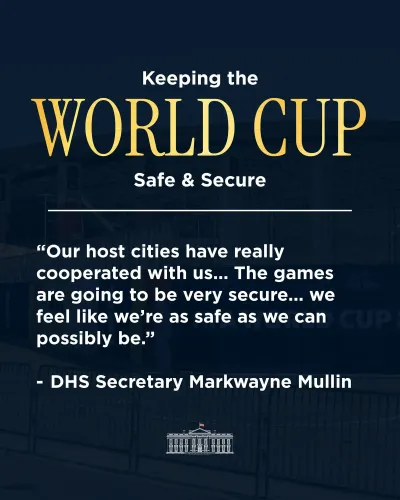
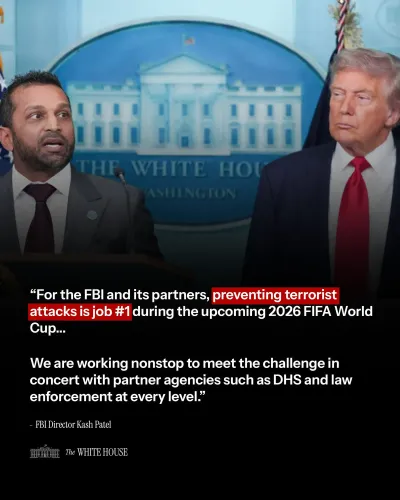
Giuliani said every one of the 78 US matches would be organised 'like a Super Bowl', with multiple security perimeters, extensive screening, and counter-drone protections in place. All match venues and fan festivals across the 11 host cities will have counter-unmanned aerial systems coverage, he confirmed. He framed the logistical challenge starkly: while a Super Bowl concentrates security in one city for a week, the World Cup would effectively replicate that effort 'seventy-eight times over the course of thirty-nine days.' Recent federal legislation and dedicated training programmes have, according to Giuliani, enabled state and local law enforcement to support operations throughout the tournament. He added that intelligence agencies were continuing to monitor potential risks closely, noting: 'Right now there are no credible threats.'
Diplomatic and Symbolic Significance
The tournament coincides with the 250th anniversary of American independence, a timing that Giuliani described as an 'incredible opportunity to show off American exceptionalism.' The White House has framed the event as more than a sporting contest — it is, in the administration's telling, a platform to demonstrate the country's organisational capacity and global standing. Giuliani said the administration had worked closely with Canada and Mexico on security, public health measures, and counter-drone operations, citing trilateral coordination on Ebola-related health restrictions as one example of how the three nations had aligned their preparations.
Visa Processing and Fan Access
On travel facilitation, Giuliani said a 'whole of government effort' had been undertaken to streamline entry for international fans. Visa waiting times in major football nations including Argentina and Brazil have been sharply reduced, he said, and more than 5 million electronic travel authorisations have already been processed for visitors from visa-waiver countries. He acknowledged that some visitors and officials would face heightened screening, but said the administration was committed to welcoming genuine fans while keeping 'bad actors' out. 'We are not going to let bad actors into the United States for this World Cup or for any other reason,' he said.
What Success Looks Like
Asked to define success when the tournament concludes, Giuliani kept the focus on football itself. 'If we are encapsulated by the beautiful game on the field, then that's what success will look like,' he said. With preparations described as 'fantastic' by the White House task force, the coming weeks will test whether the ambition translates into seamless execution across a continent-spanning event unlike any the sport has seen.
Point of View
And the coordination with Canada and Mexico — two countries that have had a fraught relationship with the current administration — is quietly significant. The 5-million travel-authorisation figure sounds impressive, but the real stress test will come at the visa window for fans from non-waiver nations like India, where football interest is growing. If heightened screening creates friction for legitimate supporters, the 'open for business' narrative could unravel fast.
NationPress
29 Jul 2026
Frequently Asked Questions
Where will FIFA World Cup 2026 matches be held in the United States?
The United States will host 78 of the tournament's matches across 11 host cities . The full tournament spans North America, with additional games in Canada and Mexico, bringing the total to more than 100 matches across the continent.
What security measures are planned for the 2026 World Cup in the US?
Every US match will be secured with multiple perimeters, extensive screening, and counter-drone systems — a setup the White House has compared to a Super Bowl. All 11 host cities' fan festivals will also have counter-unmanned aerial systems coverage, backed by recently passed federal legislation and law enforcement training programmes.
How is the US handling visas and travel for World Cup fans?
The federal government has launched a 'whole of government effort' to facilitate fan entry. Visa waiting times in key football nations such as Argentina and Brazil have been sharply reduced, and more than 5 million electronic travel authorisations have already been processed for visitors from visa-waiver countries.
Why does the 2026 World Cup carry special significance for the United States?
The tournament coincides with the 250th anniversary of American independence, giving the White House an opportunity to use the global audience to project national strength and organisational capability. Administration officials have explicitly described it as a platform to showcase 'American exceptionalism.'
Are there any known security threats to the 2026 World Cup?
As of 10 June, White House task force head Andrew Giuliani stated there are 'no credible threats,' though he confirmed that intelligence agencies are continuing to monitor potential risks throughout the lead-up to and duration of the tournament.