COP31: Bhupender Yadav meets Japan's Sasakawa on critical minerals, early warning systems
Synopsis
On the sidelines of COP31 in Antalya, India's Environment Minister Bhupender Yadav held a string of high-level meetings — with Japan's environment minister, the COP31 negotiations president, and the UNFCCC chief — signalling that New Delhi is pursuing active diplomatic ground ahead of key decisions on climate finance, mineral supply chains, and adaptation frameworks.
Key Takeaways
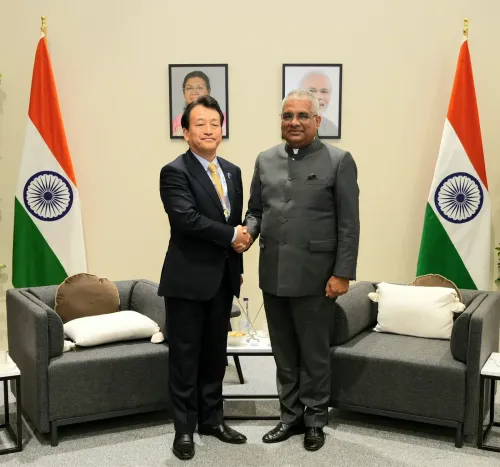
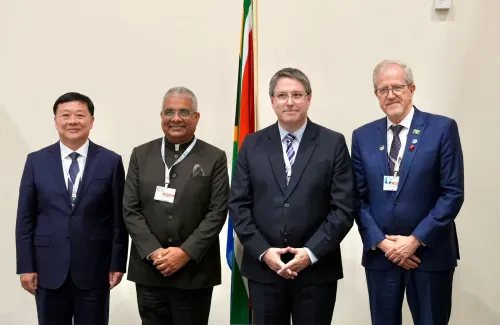
Bhupender Yadav met Japan's Hiroyoshi Sasakawa on 19 November 2026 on the sidelines of COP31 in Antalya, Turkey .
Discussions covered circular economy , critical mineral supply chains , and early warning systems .
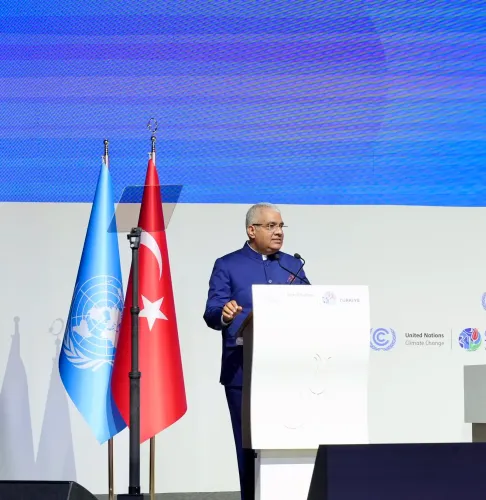
Yadav addressed the CDRI Ministerial Dialogue at COP31, emphasising disaster-resilient infrastructure and practical climate outcomes.
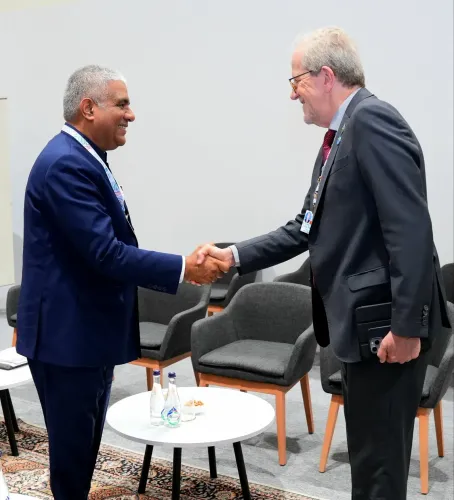
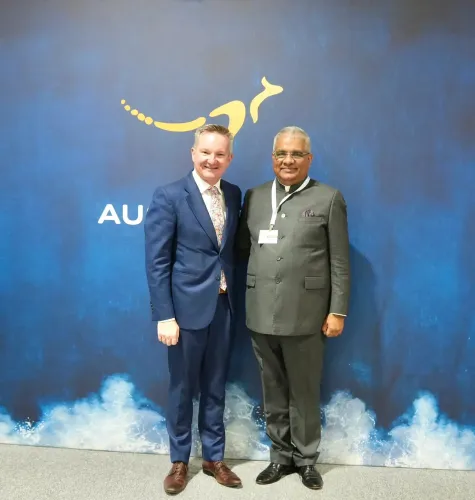
Earlier meetings included COP31 Negotiations President Chris Bowen and UNFCCC Executive Secretary Simon Stiell .
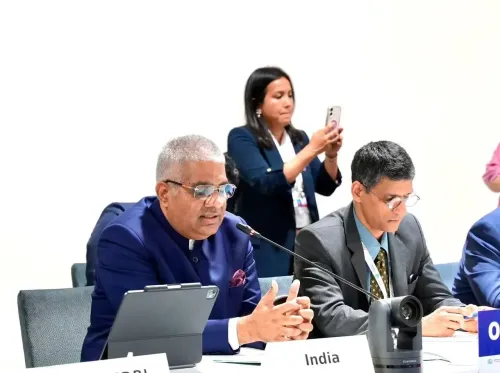
India reaffirmed its constructive role in ongoing COP31 negotiations on mitigation , adaptation , and climate finance .
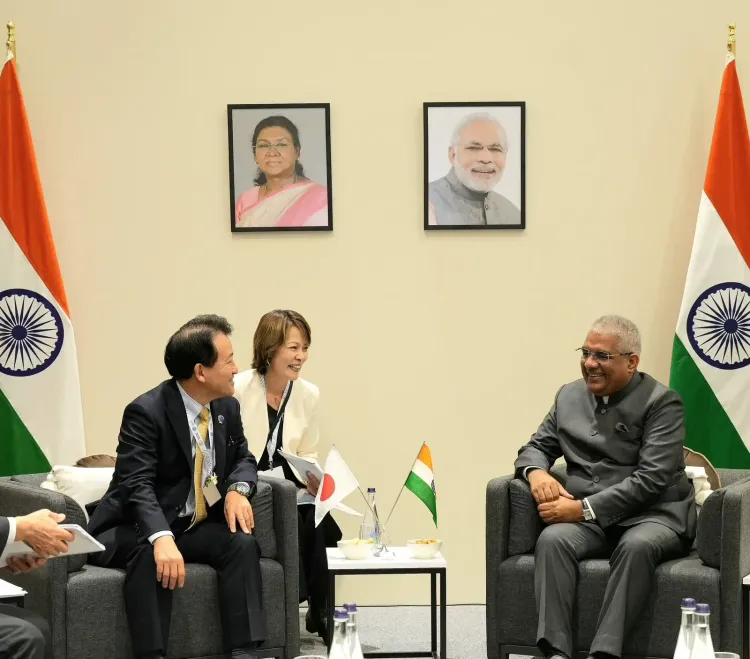
Union Minister for Environment, Forest and Climate Change Bhupender Yadav on 19 November 2026 met Japan's Minister of Environment Hiroyoshi Sasakawa on the sidelines of the UN Climate Change Conference (COP31) in Antalya, Turkey, holding discussions on circular economy, critical mineral supply chains, and early warning systems. The bilateral meeting underscores the growing importance of resource security and climate resilience in India-Japan diplomatic engagement.
What Was Discussed
According to Yadav, the two ministers exchanged views on circular economy frameworks and critical mineral supply chains — a subject of mounting strategic significance as countries race to secure materials essential for clean energy transitions. Early warning systems for climate-related disasters also featured prominently in the conversation.
'Our discussions focused on matters related to circular economy and critical mineral supply chains along with early warning systems. We also exchanged views on the ongoing negotiations in COP31,' Yadav said in a post on X.
India's Push for Disaster-Resilient Infrastructure
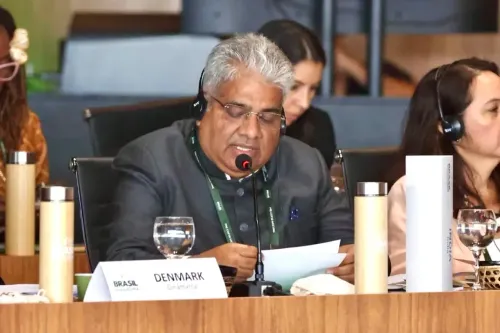
On Wednesday, Yadav highlighted India's leadership in advancing global cooperation on disaster-resilient infrastructure at the CDRI Ministerial Dialogue on 'Disaster Resilient Infrastructure for Climate Adaptation', a side event at COP31. He emphasised that climate action must go hand in hand with climate negotiations, with the success of international commitments ultimately measured by their translation into concrete action on the ground.
Yadav stressed the need for practical outcomes in adaptation, mitigation, and resilience, backed by stronger international cooperation. He also highlighted the importance of knowledge sharing, technical expertise, and capacity building, particularly for developing countries, to strengthen institutional capabilities and facilitate access to proven technologies.
Key Bilateral and Multilateral Meetings
Earlier this week, Yadav held a meeting with Chris Bowen, President of the Negotiations for COP31, covering ongoing talks on mitigation, adaptation, and climate finance. 'Assured India's support and its constructive role to the Presidency in the ongoing negotiations towards positive solutions,' Yadav noted in a post on X.
Yadav also met UNFCCC Executive Secretary Simon Stiell on the sidelines of COP31, reaffirming India's commitment to engaging constructively with the United Nations Framework Convention on Climate Change (UNFCCC). This comes amid broader negotiations over the financial architecture needed to support developing nations' climate transitions.
Why This Matters
Critical mineral supply chains have emerged as a defining geopolitical issue at COP31, with countries including India seeking to diversify sourcing away from single-supplier dependencies. India's engagement with Japan — a technologically advanced partner with shared interests in clean energy — signals a broader diplomatic strategy of building resilient, multi-partner mineral frameworks. As COP31 negotiations progress, India's proactive bilateral diplomacy may help shape the terms of any eventual climate finance and technology transfer agreements.
Point of View
And India's engagement with Japan signals it understands that the energy transition is also a supply-chain competition. The more revealing test will be whether these sideline conversations translate into binding cooperation frameworks or remain goodwill gestures. India's credibility as a constructive COP player hinges on matching diplomatic activity with verifiable domestic action on emissions and adaptation finance.
NationPress
19 Nov 2026
Frequently Asked Questions
What did India's Bhupender Yadav discuss with Japan's environment minister at COP31?
Yadav met Japan's Environment Minister Hiroyoshi Sasakawa on 19 November 2026 at COP31 in Antalya, Turkey. Their discussions focused on circular economy, critical mineral supply chains, and early warning systems, as well as the ongoing COP31 negotiations.
What is COP31 and where is it being held?
COP31 is the 31st session of the Conference of the Parties to the UNFCCC, the United Nations climate change summit. It is being held in Antalya, Turkey, in November 2026.
Why are critical mineral supply chains a focus at COP31?
Critical minerals such as lithium, cobalt, and rare earths are essential for clean energy technologies like batteries and solar panels. As countries accelerate their energy transitions, securing diversified and resilient supply chains has become a key diplomatic and economic priority at climate forums.
Who else did Bhupender Yadav meet at COP31?
Yadav also met COP31 Negotiations President Chris Bowen, discussing mitigation, adaptation, and climate finance, and separately met UNFCCC Executive Secretary Simon Stiell, reaffirming India's commitment to constructive engagement with the UNFCCC.
What was India's position at the CDRI Ministerial Dialogue at COP31?
Yadav represented India at the CDRI Ministerial Dialogue on disaster-resilient infrastructure, stressing that climate action must complement climate negotiations and calling for practical outcomes backed by international cooperation, knowledge sharing, and technology transfer for developing countries.