12 years of Modi govt: How India's healthcare sector transformed since 2014
Synopsis
Twelve years in, Modi's healthcare record spans the world's largest health insurance scheme, a doubling of medical colleges, WHO-certified elimination of trachoma, an indigenous MRI machine, and a 11,800-startup biopharma ecosystem — a structural overhaul that goes well beyond headline numbers, even as disease elimination targets and universal coverage remain works in progress.
Key Takeaways
PM Modi on 14 June highlighted 12 years of healthcare reforms, citing expanded access and affordability as central achievements.
Medical colleges in India have more than doubled from under 1,000 to over 2,000 ; MBBS seats rose from 50,000 to 1.28 lakh and PG seats from 32,000 to 85,000 .
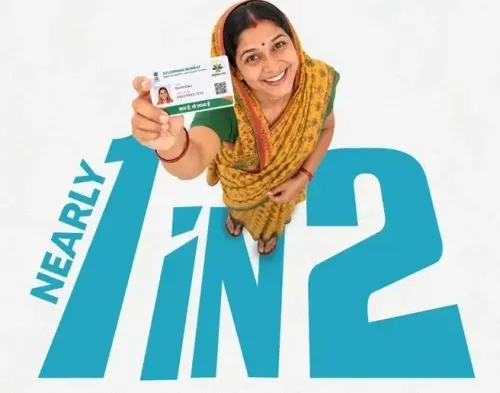
Ayushman Bharat is cited as the world's largest health insurance programme, targeting the most vulnerable sections of the population.
The WHO has declared India a trachoma-free nation ; TB and malaria are reportedly on an elimination trajectory.
India's biopharma ecosystem now includes over 11,800 biotech startups ; indigenous innovations include a homegrown MRI machine and CAR-T cell therapy .
India has joined more than 160 countries in launching a national HPV vaccination programme to prevent cervical cancer in young girls.
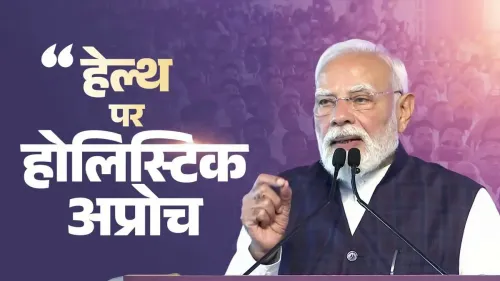
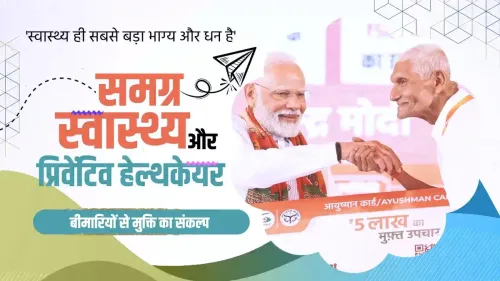
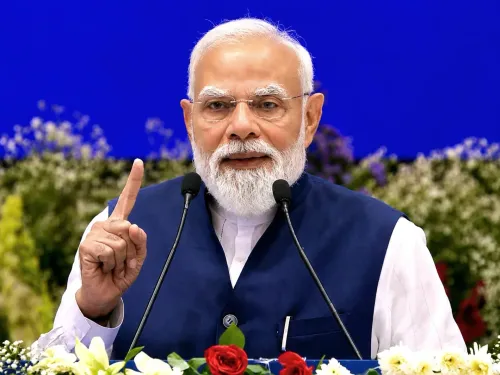
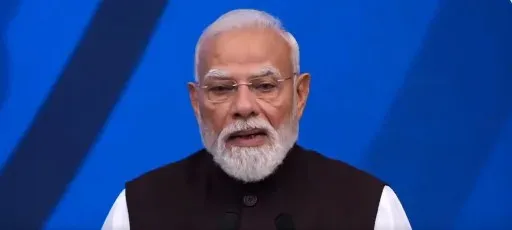
Prime Minister Narendra Modi on Sunday, 14 June highlighted the sweeping transformation of India's healthcare sector over the past 12 years, underscoring government efforts to make quality medical care more affordable and accessible — particularly for the country's most vulnerable citizens. Modi pointed to milestones ranging from a doubling of medical colleges to the launch of the world's largest health insurance programme as evidence of a structurally stronger public health system.
Medical Education: Doubling Down on Doctors
A stronger healthcare system begins with more doctors and wider access to medical education. According to data shared by MyGov, the citizen engagement platform of the Union government, the number of medical colleges in India has more than doubled over the past decade — rising from under 1,000 to over 2,000. MBBS seats expanded from 50,000 to more than 1.28 lakh, while postgraduate medical seats grew from 32,000 to over 85,000. This expansion is widely seen as a foundational shift in the country's capacity to train and deploy healthcare professionals at scale.
Ayushman Bharat and Universal Health Coverage
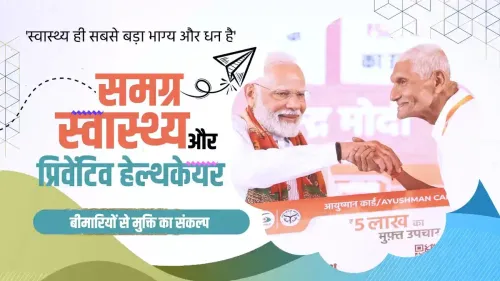
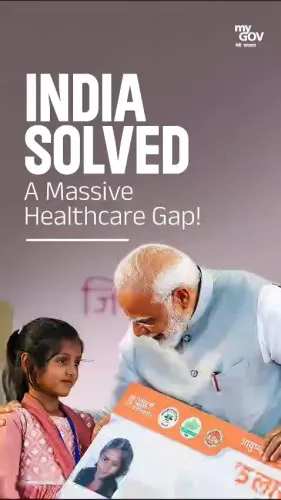
At the centre of the government's healthcare agenda is Ayushman Bharat, described as the world's largest health insurance programme. The scheme has extended coverage to the most economically vulnerable sections of the population, providing access to quality hospitalisation that was previously out of reach for millions. Modi reaffirmed the government's commitment to building on this foundation as part of a broader vision for a Healthy India.
Disease Elimination: TB, Trachoma, and Malaria
India has made measurable progress against several historically entrenched diseases. The fight against Tuberculosis (TB) has accelerated through early detection, wider screening, improved treatment access, and community participation, advancing the country's goal of becoming TB-free. Separately, the World Health Organisation (WHO) has declared India a trachoma-free nation — a significant public health milestone. Malaria, too, is reportedly heading towards elimination, according to government data.
Covid Vaccination, Indigenous Tech, and Biopharma
India's response to the Covid-19 pandemic drew global attention for its speed and scale. The domestic vaccination drive was powered in part by indigenously developed vaccines, reinforcing the country's self-reliance in medical innovation. On the technology front, a homegrown MRI machine has reduced diagnostic costs, while an indigenous CAR-T cell therapy has provided a new avenue in cancer treatment. India's pharmaceutical ecosystem — long known as the 'Pharmacy of the World' — is now positioning itself as a global hub for biopharma and biotechnology, backed by more than 11,800 biotech startups.
HPV Vaccination and Preventive Healthcare
The Union government has also advanced its preventive healthcare agenda with the rollout of the HPV vaccination programme for young girls, aimed at protecting them from cervical cancer. With this, India has joined more than 160 countries that have launched national HPV vaccination drives. Officials have described the rollout as a war-footing campaign, signalling the priority accorded to women's health in the government's public health strategy.
As India marks 12 years of these healthcare reforms, the government has indicated that expanding coverage, deepening indigenous medical innovation, and completing disease elimination targets remain the key priorities for the years ahead.
Point of View
WHO-verified trachoma elimination, and a biopharma startup surge are not trivial achievements. But the framing elides critical gaps: India's doctor-to-population ratio still trails WHO benchmarks despite the seat expansion, and Ayushman Bharat's actual utilisation rates and quality outcomes remain contested in independent assessments. The TB elimination timeline has slipped before, and 'heading towards elimination' on malaria is not the same as elimination. The 12-year scorecard is genuinely strong in inputs; the output story — health outcomes for the bottom quintile — deserves equal scrutiny.
NationPress
24 Sept 2026
Frequently Asked Questions
What is Ayushman Bharat and who does it cover?
Ayushman Bharat is the Union government's flagship health insurance programme, described as the world's largest of its kind. It provides coverage for hospitalisation costs to India's most economically vulnerable citizens, aiming to make quality healthcare financially accessible to sections of the population that previously had no safety net.
How has India's medical education capacity changed in 12 years?
According to data from MyGov, the number of medical colleges in India has more than doubled from under 1,000 to over 2,000 in the past decade. MBBS seats expanded from 50,000 to more than 1.28 lakh, and postgraduate seats grew from 32,000 to over 85,000.
Has India been declared trachoma-free?
Yes. The World Health Organisation (WHO) has officially declared India a trachoma-free nation, marking a significant milestone in the country's public health journey. Trachoma is a bacterial eye infection that was once a leading cause of preventable blindness.
What is India's HPV vaccination programme about?
The Union government has rolled out a national HPV (Human Papillomavirus) vaccination programme targeting young girls to protect them from cervical cancer. India has joined over 160 countries that have launched such programmes, with officials describing it as a priority preventive healthcare initiative.
What indigenous medical innovations has India developed in this period?
India has developed a homegrown MRI machine that has lowered diagnostic costs, and an indigenous CAR-T cell therapy that offers a new treatment avenue for cancer patients. The country's biopharma ecosystem has also grown to include more than 11,800 biotech startups, positioning India as an emerging global hub for biotechnology innovation.