Lakhpati Didi: 5,500 Women Achieve Self-Reliance in Sukma
Synopsis
Sukma — once India's most dangerous Maoist district — is now home to 5,500 women entrepreneurs empowered under the Lakhpati Didi scheme. Mobile 'Seva Express' vans are reaching remote villages, and women like Kartam Savita have gone from daily wagers to business owners earning up to Rs 2 lakh annually. A stunning grassroots reversal.
Key Takeaways
5,500 women in Sukma district, Chhattisgarh have achieved financial self-reliance under the Lakhpati Didi scheme as of April 2025 .
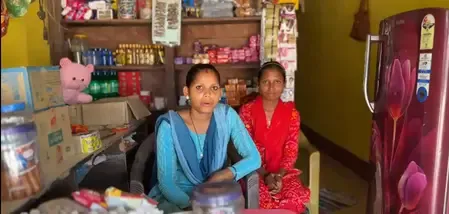
Kartam Savita of Polampalli village used a Rs 60,000 SHG loan to launch the 'Kriti Kirana Store,' now earning Rs 1–2 lakh annually .
The Sukma district administration deployed four 'Seva Express' mobile vehicles to connect remote women with Self-Help Groups and government schemes.
The Lakhpati Didi scheme is implemented locally through the Chhattisgarh State Rural Livelihoods Mission (CSRLM) , providing credit, training, and market linkages.
Sukma was historically part of India's Red Corridor of Left-Wing Extremism, making this development transformation strategically and socially significant.
Nationally, PM Modi has set a target of 3 crore Lakhpati Didis across India by 2025 , announced during his Independence Day 2023 address .
Sukma, Chhattisgarh — Once synonymous with Maoist insurgency and chronic underdevelopment, Sukma district in Chhattisgarh is scripting a remarkable turnaround. Under the Centre's flagship Lakhpati Didi scheme, over 5,500 women in the district have crossed the threshold of financial self-reliance, marking what officials call a historic milestone for one of India's most conflict-scarred regions.
From Maoist Heartland to Economic Empowerment Hub
Sukma was, until recently, among the most dangerous districts in India's Red Corridor — a belt of Left-Wing Extremism (LWE) stretching across central and eastern India. For decades, development programs struggled to take root here due to security threats, poor connectivity, and deep-rooted poverty. The transformation now underway is, therefore, not just an administrative success — it is a strategic shift in how the state is reclaiming ground lost to insurgency.
The Lakhpati Didi scheme, launched by the Government of India under Prime Minister Narendra Modi, aims to help women in Self-Help Groups (SHGs) earn a sustainable annual income of at least Rs 1 lakh. In Sukma, this national initiative has been amplified through the Chhattisgarh State Rural Livelihoods Mission (CSRLM), creating a locally tailored model of women's economic inclusion.
Kartam Savita: A Symbol of Grassroots Transformation
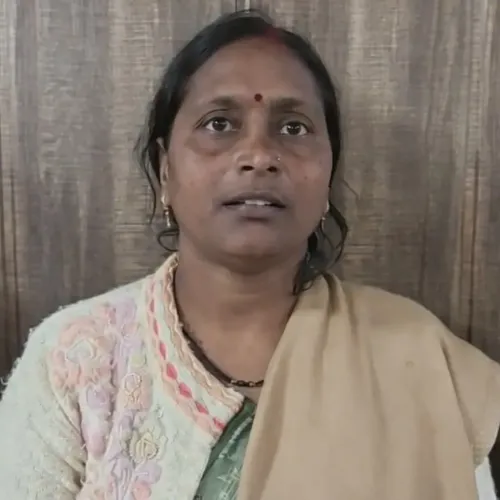
Kartam Savita, a resident of Polampalli village in the Konta development block of Sukma district, represents the human face of this policy success. Until a few years ago, her family depended entirely on irregular daily wage labour — a precarious existence with no financial buffer or future planning.
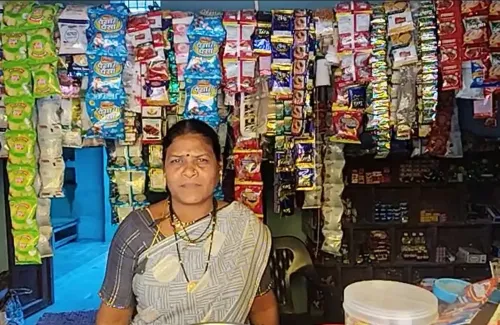
After enrolling in a local Self-Help Group affiliated with the CSRLM, Savita accessed a loan of Rs 60,000 and used it to launch the 'Kriti Kirana Store' — a neighbourhood grocery outlet that has since grown into a thriving local business. The store now generates an annual income of Rs 1 lakh to Rs 2 lakh and provides employment to local residents, creating a multiplier effect within the community.
Savita expressed her gratitude to Prime Minister Narendra Modi and the Chief Minister of Chhattisgarh, stating that government initiatives gave rural women the wings to pursue their dreams. She credited the Lakhpati Didi campaign and CSRLM with enabling her to leave behind wage labour and build an independent livelihood.
District Administration's Coordinated Strategy
District Collector Amit Kumar told reporters that the administration has implemented a structured, multi-pronged plan to drive women's economic empowerment across Sukma's remote geographies. A key innovation is the deployment of four 'Seva Express' vehicles — mobile outreach units that travel to far-flung villages to connect women with SHGs, government schemes, and financial literacy programs.
This mobile connectivity model is particularly significant given Sukma's terrain — vast forest cover, limited road infrastructure, and historically poor government reach in interior villages. The Seva Express initiative effectively brings the government to the doorstep of women who would otherwise have no access to institutional support.
Collector Kumar confirmed that approximately 5,500 women have so far been empowered under the Lakhpati Didi scheme in the district — a figure he described as both significant and historic for a region that has long battled the twin challenges of insurgency and poverty.
Broader Impact and Policy Significance
The Sukma model carries important lessons for India's broader development strategy in LWE-affected districts. Nationally, the Lakhpati Didi scheme has set an ambitious target of creating 3 crore 'Lakhpati Didis' across India by 2025, as announced by PM Modi in his Independence Day address in August 2023. Sukma's progress demonstrates that even the most challenging geographies can be integrated into mainstream development frameworks when outreach is innovative and locally sensitive.
Critics and policy analysts have long argued that sustainable peace in LWE regions requires economic alternatives — not just security operations. The success of SHG-linked entrepreneurship in Sukma lends empirical weight to this argument, suggesting that women's economic agency can itself become a stabilising force in conflict-affected communities.
Comparable models in states like Jharkhand and Odisha — also part of the Red Corridor — have shown that women-led SHGs can significantly reduce household poverty rates when backed by institutional credit and market linkages. Sukma's trajectory appears to be following this proven pattern, with the added dimension of geographic and security complexity.
What Comes Next
With 5,500 women already enrolled and empowered, district officials are expected to scale up outreach further, particularly targeting the most interior villages of Konta and Chintalnar blocks — areas that have historically seen the highest Maoist activity and the lowest development indices. The expansion of the Seva Express fleet and deeper integration with national financial inclusion platforms like Jan Dhan Yojana and PM SVANidhi could accelerate this momentum. As Chhattisgarh heads into future electoral cycles, the Sukma women's empowerment story is likely to become a key development narrative for both state and central governments.
Point of View
The Indian state poured resources into security infrastructure in LWE districts while grassroots economic programs remained underfunded and poorly executed. The fact that 5,500 women in Sukma are now financially self-reliant challenges the dominant narrative that tribal hinterlands are inherently resistant to development. What deserves scrutiny, however, is whether this momentum is institutionally sustainable beyond electoral cycles — or whether it will fade, as similar schemes have in the past, once political attention shifts.
NationPress
20 Sept 2026
Frequently Asked Questions
What is the Lakhpati Didi scheme and how does it work?
The Lakhpati Didi scheme is a Government of India initiative that helps women in Self-Help Groups (SHGs) achieve a sustainable annual income of at least Rs 1 lakh through skill training, credit access, and entrepreneurship support. Women register with SHGs, access government-backed loans, and launch small businesses with institutional guidance.
How many women have benefited from Lakhpati Didi in Sukma district?
Approximately 5,500 women in Sukma district, Chhattisgarh, have been empowered under the Lakhpati Didi scheme as of April 2025. District Collector Amit Kumar described this as a significant and historic achievement for the region.
What is the 'Seva Express' initiative in Sukma?
The Seva Express is an innovative mobile outreach program launched by the Sukma district administration, deploying four vehicles to connect women in remote and forested areas with Self-Help Groups and government schemes. It addresses the challenge of poor connectivity in one of Chhattisgarh's most geographically isolated districts.
Who is Kartam Savita and why is she significant?
Kartam Savita is a resident of Polampalli village in Sukma's Konta block who transformed from a daily wage worker to a successful entrepreneur by leveraging the Lakhpati Didi scheme. She secured a Rs 60,000 SHG loan to open the 'Kriti Kirana Store,' which now earns her Rs 1–2 lakh annually and employs local residents.
Why is Sukma's women empowerment story nationally significant?
Sukma was one of India's most Maoist-affected districts and historically among the least developed. The success of the Lakhpati Didi scheme there demonstrates that economic empowerment programs can succeed even in conflict-scarred, remote geographies, offering a replicable model for other LWE-affected districts across India.