Public Examinations Amendment Bill 2026: Tougher law, stalled debate
Synopsis
India's toughest-ever anti-paper-leak legislation — doubling jail terms to 10 years and imposing fines up to ₹10 crore — was introduced in the Lok Sabha on 27 July, only for Opposition disruptions to prevent any substantive debate. With millions of aspirants demanding accountability after the NEET-UG 2026 controversy, the stalled proceedings raise a pointed question: whose interests does parliamentary obstruction serve?
Key Takeaways
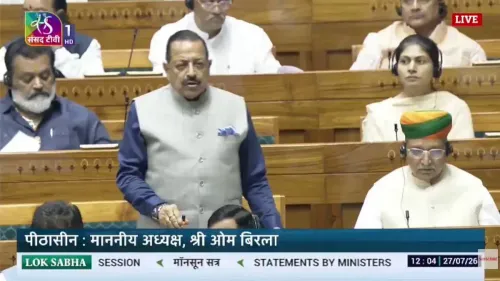
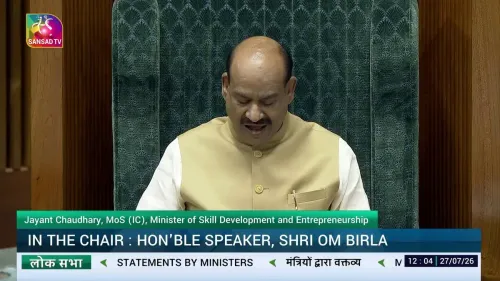
The Public Examinations (Prevention of Unfair Means) Amendment Bill, 2026 was introduced in the Lok Sabha on 27 July .
Minimum imprisonment for major offences raised from 3 to 5 years ; maximum sentence doubled to 10 years .
Organised paper leak networks face fines up to ₹5 crore ; certain offences attract penalties up to ₹10 crore .
Special Fast Track Courts will be mandated to complete trials within 3 months of chargesheet filing; investigations must conclude within 2 months .
The Bill follows the NEET-UG 2026 controversy and is described as the government's strongest legislative response to examination fraud.
Opposition disruptions prevented debate on the Bill's consideration and passage despite its successful introduction.
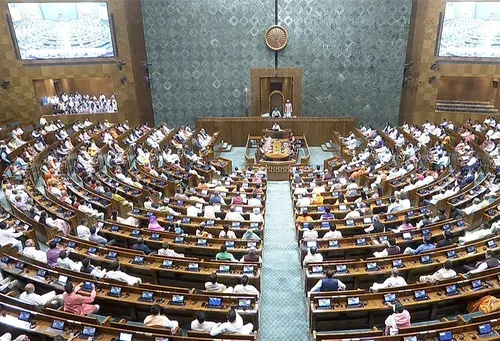
The Public Examinations (Prevention of Unfair Means) Amendment Bill, 2026, introduced in the Lok Sabha on 27 July, represents the Narendra Modi government's most stringent legislative attempt yet to combat examination paper leaks. Tabled in the aftermath of the NEET-UG 2026 controversy, the proposed amendments signal the Centre's intent to rebuild public trust through harsher penalties, faster investigations, and time-bound judicial proceedings.
Key Provisions of the Bill
The amendment proposes a sweeping overhaul of the existing legal framework. The minimum sentence for major offences has been raised from three to five years of imprisonment, while the maximum sentence is proposed to be doubled to 10 years. Financial penalties have also been significantly stiffened — organised paper leak networks face fines of up to ₹5 crore, and certain categories of offences could attract penalties as high as ₹10 crore.
Analysts say the scale and sophistication of modern examination fraud syndicates made a stronger deterrent framework unavoidable. The enhanced penalties, they note, send an unambiguous signal that criminal networks profiting from students' futures will face serious consequences.
Swift Justice: Fast-Track Courts and Investigation Deadlines
Beyond punitive measures, the Bill places equal emphasis on the speed of justice. Investigating agencies will be mandated to complete their probes within two months. Special Fast Track Courts will be established across the country to conduct day-to-day hearings, with trials required to conclude within three months of chargesheets being filed. This addresses a persistent grievance among students and families — that delayed investigations and prolonged court proceedings allow accused persons to remain at large while affected aspirants are left in limbo.
Observers note that mandatory timelines and specialised courts represent a structural shift: the government is not merely raising the cost of fraud but also closing the window of impunity that slow-moving proceedings have historically provided.
The Opposition's Response and Parliamentary Disruptions
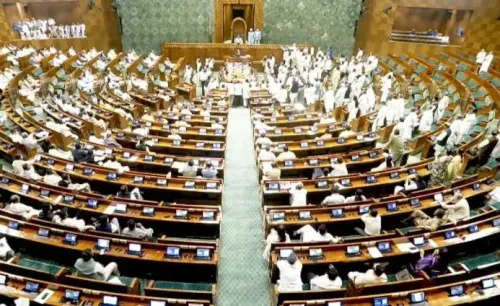
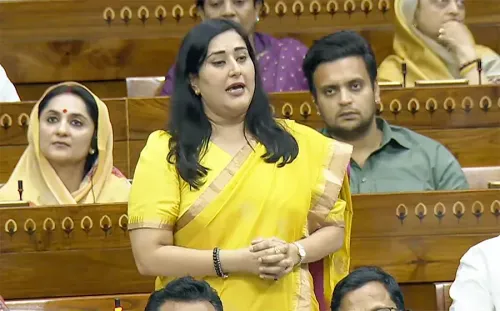
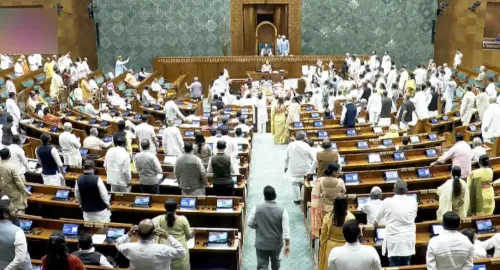
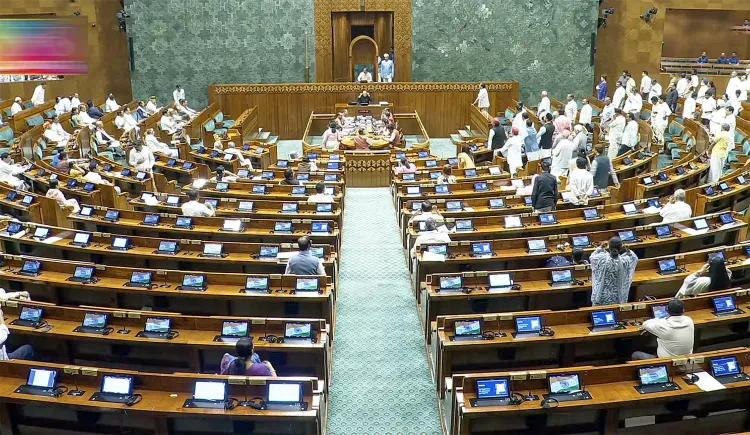
Despite broad public demand for stronger safeguards — particularly following the NEET-UG 2026 row — the Opposition did not engage substantively with the Bill's provisions. Repeated disruptions, sloganeering, and protests in the House meant that while the Bill was successfully introduced, debate on its consideration and passage could not proceed. Analysts argue that on an issue as consequential as examination integrity, which directly affects millions of aspirants and their families, parliamentary obstruction serves neither students nor the democratic process.
Critics of the Opposition's approach contend that examination fraud is not a partisan issue — it cuts across states, communities, and political affiliations — and that delaying legislative scrutiny ultimately prolongs the vulnerability of the very students the Opposition claims to champion.
Context: Why This Bill Matters
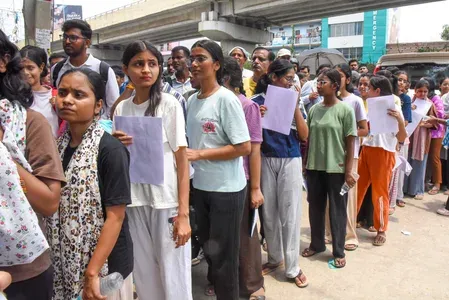
India's public examination ecosystem — spanning competitive tests for government jobs, medical admissions, engineering colleges, and more — has faced a series of high-profile paper leak scandals in recent years. The NEET-UG 2026 controversy reignited public anger and intensified calls for systemic reform. The existing legal framework was widely regarded as inadequate in deterring organised fraud at scale.
This Bill, if passed, would mark one of the most significant legislative interventions in the integrity of public examinations since the original Act. Whether Parliament can return to substantive debate on the legislation remains the immediate question.
Point of View
Before papers reach criminal networks. The NEET-UG 2026 row was not merely a law-enforcement failure — it was also a systemic one. Tougher punishment is necessary but not sufficient if examination administration remains opaque. Parliament's inability to debate the Bill is a loss, but so is the absence of scrutiny on what the Bill does not address.
NationPress
27 Jul 2026
Frequently Asked Questions
What is the Public Examinations (Prevention of Unfair Means) Amendment Bill, 2026?
It is a legislative amendment introduced in the Lok Sabha on 27 July 2026 that proposes significantly harsher penalties for examination fraud, including a maximum 10-year prison sentence and fines up to ₹10 crore for organised paper leak networks. The Bill also mandates time-bound investigations and fast-track court trials.
What are the new penalties proposed under the Bill?
The Bill raises the minimum sentence for major offences from three to five years and doubles the maximum sentence to 10 years. Fines for organised paper leak rackets can go up to ₹5 crore, while certain offences attract penalties as high as ₹10 crore.
How does the Bill propose to speed up justice for paper leak cases?
Investigating agencies will be required to complete probes within two months. Special Fast Track Courts will hold day-to-day hearings and must conclude trials within three months of chargesheets being filed.
Why was the Bill introduced, and what triggered it?
The Bill follows the NEET-UG 2026 controversy, which renewed public demand for stronger legal safeguards against examination fraud. The government described it as its strongest legislative response yet to organised paper leak networks.
What happened to the Bill in Parliament?
While the Bill was successfully introduced in the Lok Sabha, debate on its consideration and passage could not proceed due to repeated Opposition disruptions, sloganeering, and protests related to the NEET-UG controversy and connected political issues.