Amit Shah: Cabinet clears ₹1,789 cr AI traffic system for Delhi
Synopsis
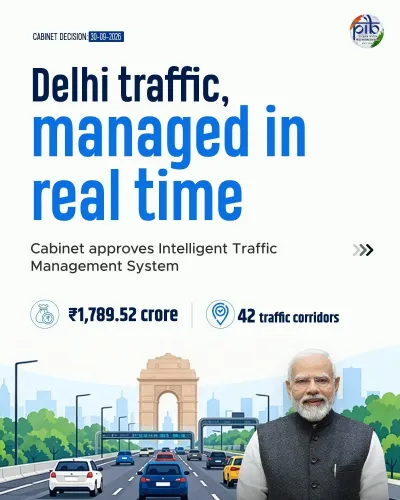
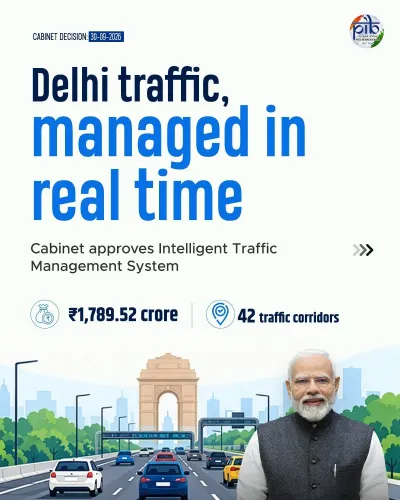
The Central Cabinet has approved a ₹1,789.52 crore Intelligent Traffic Management System for Delhi, covering 42 corridors with AI-adaptive signals, real-time monitoring, technology-driven enforcement, and dedicated green corridors for ambulances, Union Home Minister Amit Shah announced.
Key Takeaways
₹1,789.52 crore sanctioned by the Central Cabinet for Delhi's Intelligent Traffic Management System (ITMS).
The project covers 42 traffic corridors across the national capital.
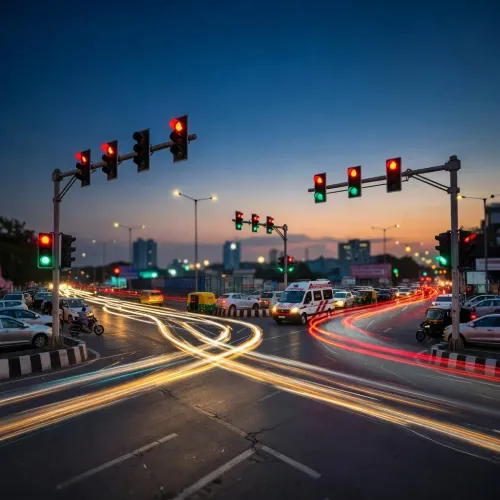
Each corridor will be equipped with AI-based adaptive signals that adjust in real time based on live traffic density.
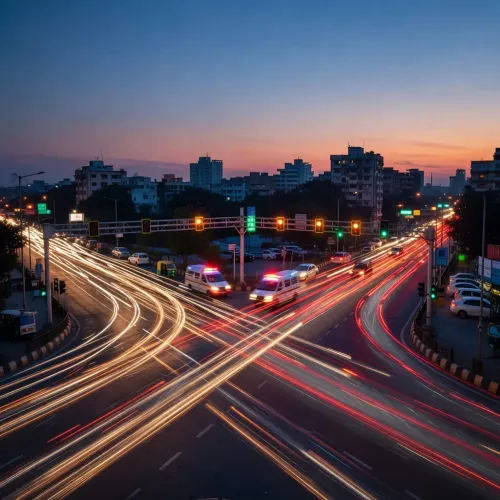
Green corridors for ambulances will be created, giving emergency vehicles signal priority across the network.
Commuters will receive real-time information on traffic conditions, diversions, and parking availability.
The approval extends the policy lineage of the Smart Cities Mission (2015) into a large-scale, AI-native urban mobility deployment.
Every Delhiite who has ever watched an ambulance trapped in gridlock knows the stakes. Now, Union Home Minister Amit Shah announced on 30 September 2026 that the Central Cabinet has approved a ₹1,789.52 crore Intelligent Traffic Management System (ITMS) for Delhi — the most ambitious AI-driven overhaul of the capital's road network to date.
Posting on X in Hindi, Shah called it a 'big gift' from the Modi government to Delhiites seeking relief from chronic traffic woes: 'दिल्लीवासियों को ट्रैफिक की समस्या से मुक्ति दिलाने के लिए मोदी सरकार ने दिया बड़ा तोहफा!' ('The Modi government has given a big gift to free Delhi residents from the traffic problem!')
42 corridors, AI signals, and a city-wide nerve centre
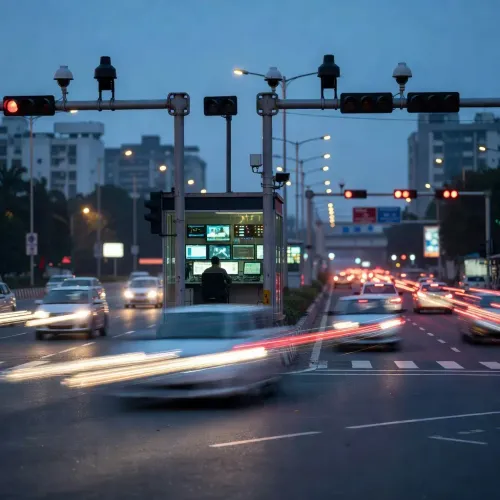
The approved system will cover 42 traffic corridors across the capital, equipping each with AI-based adaptive signals that read live traffic density and adjust green-light durations in real time — replacing the fixed-timer logic that has governed Delhi's intersections for decades. Alongside the signals, real-time monitoring infrastructure and technology-driven enforcement mechanisms will be layered across the network.
For commuters, the immediate promise is shorter waits at red lights and faster diversion alerts. For city planners, it is a data backbone: live feeds on congestion, diversions, and parking availability pushed directly to road users. The system also commits to building dedicated green corridors for ambulances — a feature that moves from the aspirational to the operational for a city where emergency response times have long been a public concern.
From Smart Cities to AI streets: the policy lineage
The ITMS approval does not arrive in a vacuum. The Smart Cities Mission, launched in 2015, first embedded intelligent transportation components into India's urban policy vocabulary, piloting adaptive traffic tools in select cities. What the Cabinet has now sanctioned for Delhi is a scaled, AI-native iteration of that logic — applied to the country's most-watched, most-congested capital.
The move fits squarely within the Digital India and smart infrastructure priorities that the central government has consistently pushed: using AI not just for back-end governance but for visible, street-level impact. Similar ITMS frameworks have been approved or piloted in other Indian metros under the same policy umbrella, but the ₹1,789.52 crore price tag and the 42-corridor scope make the Delhi sanction among the largest single-city deployments in this category.
What Delhi's traffic crisis actually costs
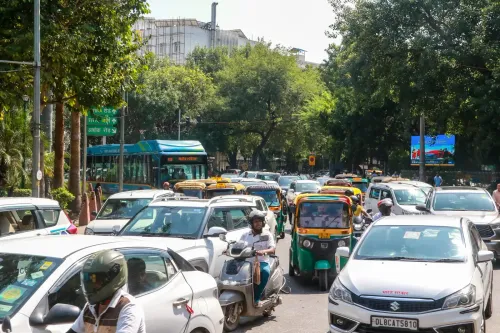
Delhi consistently ranks among the world's most congested cities, with peak-hour gridlock inflating commute times and fuel costs for millions of daily travellers. The congestion burden falls disproportionately on essential services — delivery workers, public-transport users, and, critically, emergency vehicles. The ITMS green-corridor feature directly targets that last category, creating signal-priority pathways for ambulances that could shave critical minutes off emergency response windows.
Rollout, integration, and the questions ahead
Cabinet approval is the starting gun, not the finish line. The key variables now are the phased rollout timeline for all 42 corridors and how seamlessly the new platform integrates with existing Delhi Traffic Police systems and command infrastructure. Procurement, installation, and calibration of AI signal hardware at scale across a live, high-density city is an engineering challenge that will test execution as much as ambition.
If the system delivers on its design specs, Delhi commuters could see measurably shorter signal waits, fewer wrong-way enforcement gaps, and faster emergency response — a trifecta that would make the capital's streets both smarter and safer. The capital is watching. So is every other Indian metro waiting to see whether AI traffic management moves from pilot promise to proven playbook.
Point of View
789.52 crore ITMS sanction is the central government's clearest signal yet that AI-driven urban mobility is no longer a pilot-phase experiment — it is now mainline infrastructure policy. For the BJP, approving the project for Delhi carries obvious political resonance in a city where the party has long sought to consolidate its governance narrative. More broadly, the move tests whether the Smart Cities Mission's decade-old promise of technology-led urban management can finally be delivered at the scale and speed a megacity demands. The real verdict will come not from the Cabinet order but from commute times and ambulance response data once the 42 corridors go live.
NationPress
30 Sept 2026
Frequently Asked Questions
What is the Delhi Intelligent Traffic Management System (ITMS) approved by the Cabinet?
The ITMS is a ₹1,789.52 crore AI-driven traffic overhaul for Delhi covering 42 corridors, featuring adaptive signals, real-time monitoring, technology-based enforcement, and green corridors for ambulances.
How much money has been approved for Delhi's AI traffic system?
The Central Cabinet approved ₹1,789.52 crore for the Intelligent Traffic Management System in Delhi.
How many traffic corridors will the Delhi ITMS cover?
The system will be deployed across 42 traffic corridors in Delhi.
What benefits will Delhi commuters get from the ITMS?
Commuters can expect reduced signal wait times, real-time traffic and parking information, fewer jams, and faster ambulance movement through dedicated green corridors.
How does the Delhi ITMS relate to the Smart Cities Mission?
The ITMS is a large-scale, AI-native extension of the intelligent transportation components first introduced under the Smart Cities Mission launched in 2015.