Anurag Thakur Stresses Welfare Benefits Must Reach Only Eligible
Synopsis
BJP MP Anurag Thakur, at Bilaspur in Himachal Pradesh, called on all elected representatives to ensure the Modi government's welfare schemes reach only eligible recipients — invoking the decade-long DBT and JAM Trinity architecture built to plug subsidy leakages across India.
Key Takeaways
BJP MP Anurag Thakur made the statement during a visit to Bilaspur, Himachal Pradesh on 18 July 2026 .
He asserted that ensuring welfare benefits reach only eligible persons is the responsibility of all elected representatives .
The statement aligns with the central government's Direct Benefit Transfer (DBT) architecture, expanded since 2014 to reduce subsidy leakages.
The JAM Trinity — Jan Dhan, Aadhaar, Mobile — introduced in 2015 underpins beneficiary deduplication across schemes like PM-KISAN and MGNREGA .
The post signals potential ground-level beneficiary-list verification drives in Himachal Pradesh ahead of the next financial year.
Civil society voices have flagged the risk of genuine claimants being excluded during aggressive de-duplication exercises, particularly in hilly, connectivity-challenged regions.
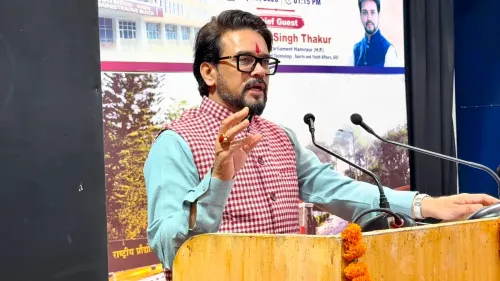
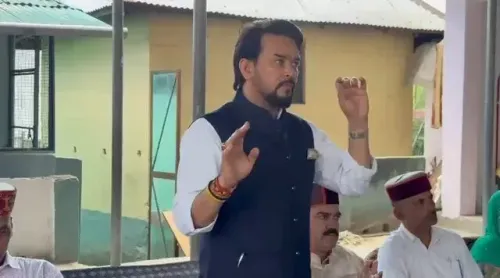
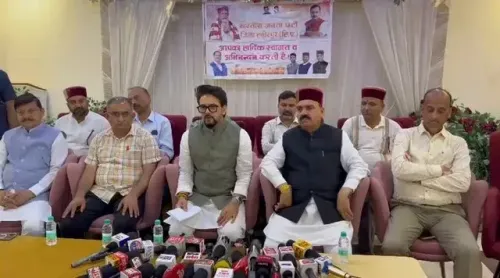
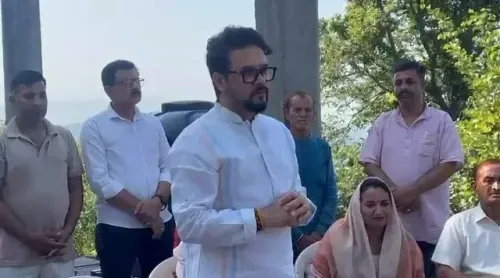
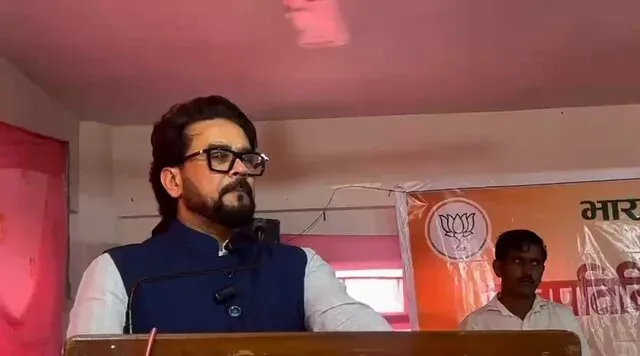
BJP MP Anurag Thakur on Saturday, 18 July 2026, speaking from Bilaspur, Himachal Pradesh, underscored that ensuring the benefits of the Modi government's public welfare schemes reach only eligible recipients is the collective responsibility of every elected representative.
Posting on X, Thakur wrote: 'मोदी सरकार की जन-कल्याणकारी योजनाओं का लाभ सिर्फ पात्रों को ही मिले, ये सुनिश्चित करना सभी जनप्रतिनिधियों की ज़िम्मेदारी है।' ('It is the responsibility of all public representatives to ensure that the benefits of the Modi government's public welfare schemes reach only the eligible.')
Context
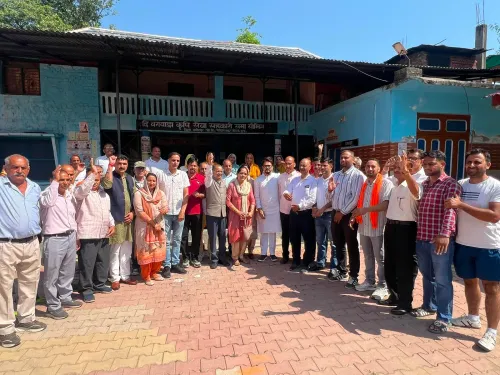
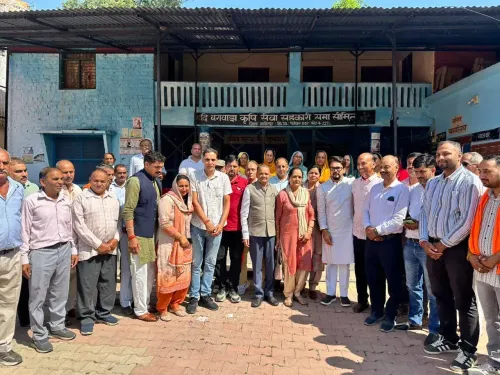
The statement came during what appears to be a ground-level outreach visit by Thakur to Bilaspur, a district in his home state of Himachal Pradesh. As a Lok Sabha MP from Hamirpur and a former Union Minister, Thakur has been an active voice on welfare governance and scheme implementation at the grassroots level. The post, accompanied by a video, signals active constituency engagement ahead of what could be a beneficiary-list review exercise.
Policy Backdrop
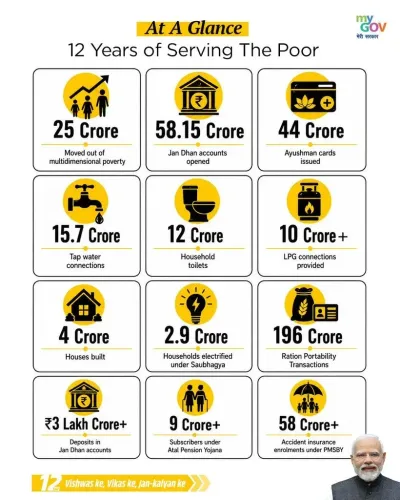
The emphasis on targeting eligible beneficiaries is rooted in a decade-long architecture built by the central government since 2014. The Direct Benefit Transfer (DBT) framework, expanded systematically from that year, routes subsidies directly into bank accounts linked with Aadhaar, reducing intermediary leakages. The launch of Pradhan Mantri Jan Dhan Yojana in August 2014 created the banking infrastructure for this shift.
The JAM Trinity — Jan Dhan, Aadhaar, Mobile — formalised in 2015, became the government's primary tool for deduplication and beneficiary verification across schemes including PM-KISAN, MGNREGA, and food subsidies. Periodic clean-ups of beneficiary lists have since been framed by the ruling party as a defining governance reform distinguishing this administration from earlier, leakage-prone delivery systems.
Stakeholders and Impact
The call to action is directed squarely at elected representatives — MPs, MLAs, and local body members — positioning them as frontline accountability actors rather than passive conduits. For welfare beneficiaries in districts like Bilaspur, this translates into potential verification drives that could correct both inclusion errors (ineligible persons receiving benefits) and exclusion errors (eligible persons left out).
Civil society groups and beneficiary-rights advocates have long argued that aggressive de-duplication, while reducing leakage, can inadvertently exclude genuine claimants — particularly those with incomplete Aadhaar seeding or irregular mobile connectivity in hilly terrain. Balancing these two risks remains a live challenge in states like Himachal Pradesh.
What's Next
Parliamentary scrutiny of welfare leakage figures is expected to intensify during the upcoming monsoon session, with audit reports likely to surface data on exclusion and inclusion errors across flagship schemes. At the state level, Himachal Pradesh may see coordinated drives to update and verify beneficiary databases ahead of the next financial year. Thakur's public framing of this as a representative's duty suggests the BJP intends to mobilise its MP and MLA network for on-ground verification rather than leaving it solely to administrative machinery.
Point of View
A role the BJP has been consciously cultivating since the DBT expansion of 2014. By framing beneficiary targeting as a moral duty of public representatives, the party deflects administrative responsibility onto its own cadre network, which can be mobilised for pre-election beneficiary-list drives. The timing, ahead of a likely monsoon-session debate on welfare leakages, suggests a proactive narrative-setting move. The sharper tension, however, lies in reconciling aggressive targeting with the exclusion risks that Aadhaar-linked deduplication has historically posed in remote Himalayan constituencies.
NationPress
16 Oct 2026
Frequently Asked Questions
What did Anurag Thakur say about welfare schemes in Bilaspur?
Anurag Thakur said it is the responsibility of all elected representatives to ensure that the Modi government's welfare schemes reach only eligible beneficiaries, during a visit to Bilaspur, Himachal Pradesh on 18 July 2026.
What is Direct Benefit Transfer (DBT) in India?
Direct Benefit Transfer (DBT) is a government mechanism, expanded since 2014, that routes subsidies and welfare payments directly into beneficiaries' Aadhaar-linked bank accounts to reduce leakages and eliminate middlemen.
What is the JAM Trinity and how does it help welfare targeting?
The JAM Trinity stands for Jan Dhan, Aadhaar, and Mobile — a framework introduced in 2015 that links bank accounts, biometric identity, and mobile numbers to enable deduplication and accurate targeting of welfare beneficiaries across schemes like PM-KISAN and MGNREGA.
Why is beneficiary targeting important for welfare schemes?
Accurate targeting ensures that subsidies and benefits reach genuinely eligible persons, reducing both inclusion errors (ineligible persons receiving benefits) and exclusion errors (eligible persons being left out), which improves public spending efficiency.
Which welfare schemes are covered under the Modi government's DBT framework?
Major schemes under the DBT framework include PM-KISAN (farm income support), MGNREGA (rural employment), food subsidies under the National Food Security Act, and LPG subsidies, among others.