Assam CM Himanta Signs Deal for Proton Beam Therapy Centre
Synopsis
Assam Chief Minister Dr. Himanta Biswa Sarma signed an agreement with IBA Particle Therapy India Pvt. Ltd. on 31 October 2026 to establish a Proton Beam Therapy Centre in the state, bringing precision cancer treatment technology to the Northeast for the first time.
Key Takeaways
Assam signed a formal agreement with IBA Particle Therapy India Pvt.
Ltd. to set up a Proton Beam Therapy Centre on 31 October 2026 .
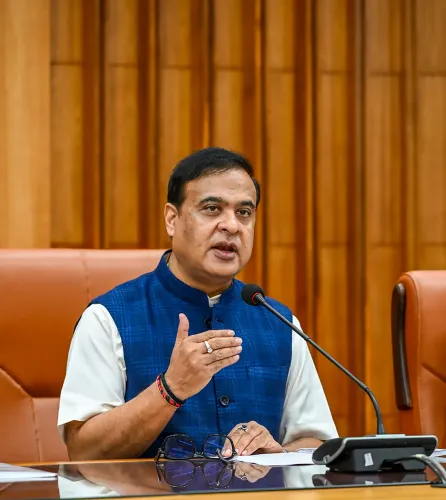
Himanta Biswa Sarma addressed the media after the signing ceremony, confirming the partnership.
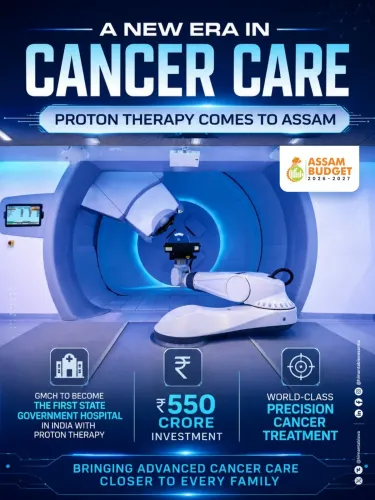
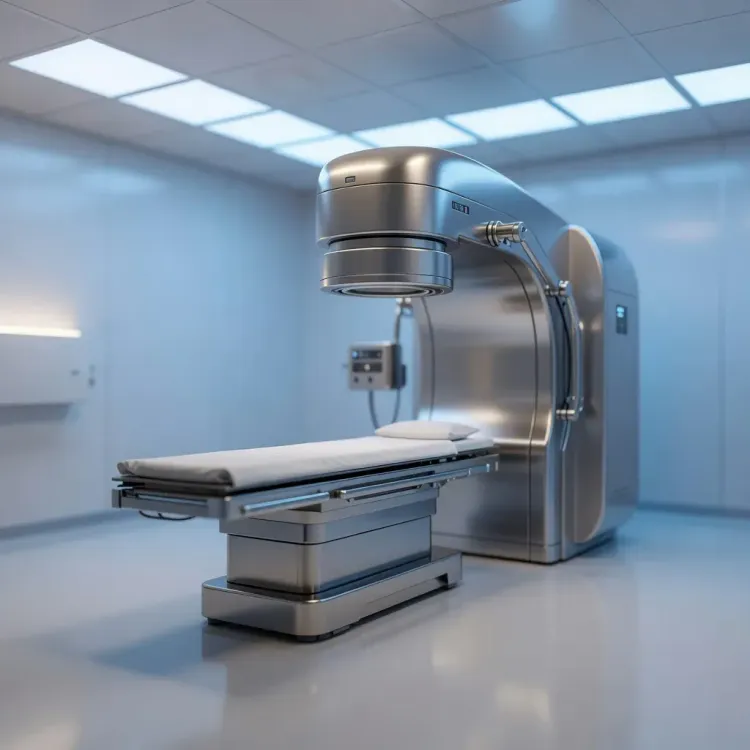
Proton beam therapy delivers radiation with high precision, minimising damage to healthy tissue — a major upgrade over conventional radiotherapy.
IBA is the Indian subsidiary of Belgian firm Ion Beam Applications , one of the world's leading proton therapy system providers.
The facility would reduce the need for Northeast cancer patients to travel to Mumbai, Chennai , or abroad for advanced treatment.
Regulatory clearance from the Atomic Energy Regulatory Board (AERB) and civil construction remain key milestones before patient services can begin.
A cancer treatment technology that was once the exclusive preserve of patients wealthy enough to fly to Europe or the United States is now headed to the Northeast. Chief Minister Dr. Himanta Biswa Sarma addressed the media on Saturday, 31 October 2026, following the signing of a formal agreement between the Government of Assam and IBA Particle Therapy India Pvt. Ltd. to establish a Proton Beam Therapy Centre in the state.
What proton therapy means for cancer patients in the Northeast
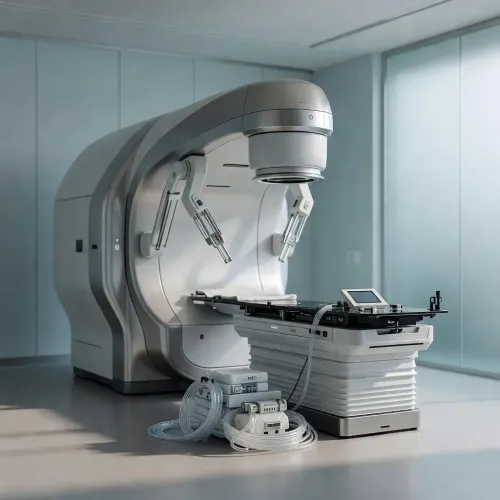
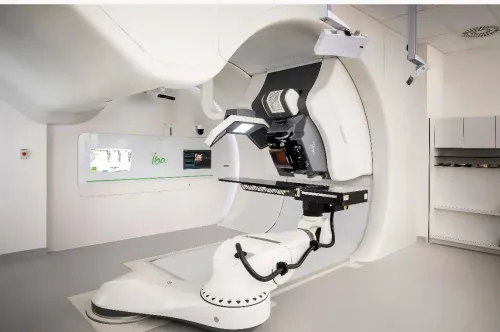
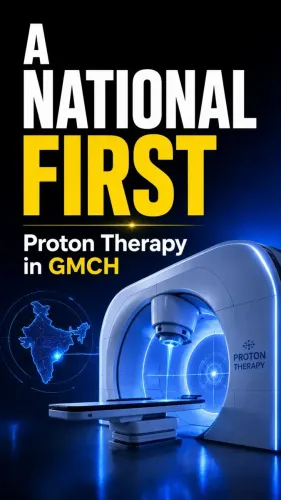
Proton beam therapy is not conventional radiation. Unlike standard X-ray-based radiotherapy, proton beams can be calibrated to deposit their maximum energy precisely at the tumour site — and then stop — sparing the surrounding healthy tissue from collateral damage. That precision matters enormously for paediatric cancers and tumours near the brain, spine, or heart, where even small doses to adjacent structures can cause lasting harm.
For patients in Assam and the broader Northeast, the practical implication has been brutal: those who needed proton therapy had to travel to Mumbai, Chennai, or increasingly abroad, often at catastrophic personal expense. This agreement is a direct attempt to close that gap.
IBA Particle Therapy and Assam's oncology push
IBA Particle Therapy India Pvt. Ltd. is the Indian arm of Ion Beam Applications, a Belgian company that is among the world's leading manufacturers and operators of proton therapy systems. The partnership brings globally proven technology into a state that has been systematically expanding its specialised medical infrastructure since Dr. Himanta Biswa Sarma took office in May 2021.
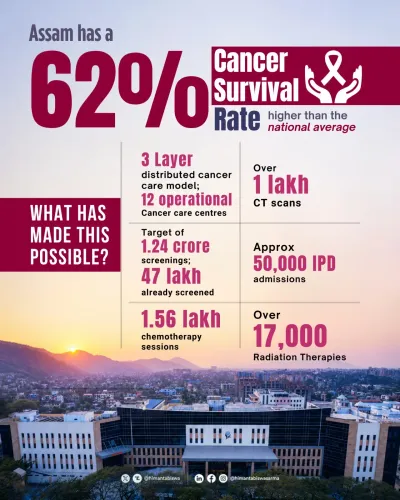
Assam already operates cancer hospitals in and around Guwahati, but a proton therapy centre would represent a qualitative leap — moving the state from palliative and conventional oncology into precision radiation medicine. It places Assam alongside a small number of Indian states actively pursuing international technology tie-ups to build out next-generation cancer care.
The regulatory and construction road ahead
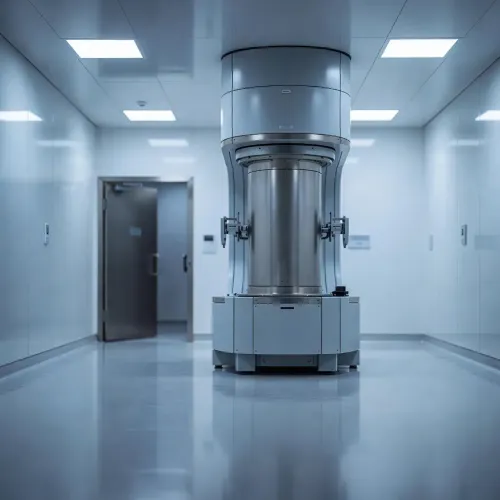
Agreement signings are milestones, not finish lines. Before a single patient can be treated, the project must clear a demanding sequence: civil works for the shielded vault that houses the cyclotron, equipment import and installation, and — critically — regulatory clearances from the Atomic Energy Regulatory Board (AERB), which governs all particle therapy facilities in India. That process has stretched timelines at other proposed centres across the country.
The exact location of the facility within Assam, the project cost, the funding model, and the operational start date have not been officially disclosed. Those details will define whether this agreement translates into open doors for patients in the near term or the longer arc.
If the centre clears its regulatory and construction hurdles on schedule, the Northeast will have something it has never had before — a reason for cancer patients to stay home.
Point of View
It reinforces a political narrative of transforming Assam from a recipient of central health schemes into a regional medical destination. The real test, however, will be the AERB clearance timeline and the financing model: proton therapy centres carry some of the highest capital costs in hospital infrastructure, and without transparent public funding disclosures, the gap between agreement and operational centre can stretch into years. Investors and patient advocates will be watching whether Assam accelerates or mirrors the stalled timelines seen at other proposed proton facilities across India.
NationPress
31 Oct 2026
Frequently Asked Questions
What is a Proton Beam Therapy Centre?
A Proton Beam Therapy Centre delivers a form of radiation treatment that uses proton beams instead of conventional X-rays. The beams can be precisely targeted at tumours, releasing most of their energy at the cancer site and sparing surrounding healthy tissue — making it especially valuable for complex or paediatric cancers.
Where will Assam's Proton Beam Therapy Centre be located?
The exact location within Assam has not been officially disclosed as of the agreement signing on 31 October 2026. Further announcements are expected as the project moves into planning and construction phases.
Who is IBA Particle Therapy India Pvt. Ltd.?
IBA Particle Therapy India Pvt. Ltd. is the Indian subsidiary of Ion Beam Applications, a Belgian company that is one of the world's leading manufacturers and operators of proton therapy systems for cancer treatment.
How will this centre benefit cancer patients in the Northeast?
Currently, patients in Assam and the Northeast who need proton therapy must travel to cities like Mumbai or Chennai, or go abroad, at significant cost. A local facility would make this advanced treatment accessible without long-distance travel.
What approvals are needed before the Proton Beam Therapy Centre can open?
The facility must receive regulatory clearances from the Atomic Energy Regulatory Board (AERB), which governs all particle therapy installations in India, in addition to completing civil construction of the specialised shielded vault and equipment installation.