CM Himanta: 92.8% Assam Homes Now Have Tap Water
Synopsis
Assam Chief Minister Himanta Biswa Sarma announced on 31 May 2026 that 92.8% of the state's households now have access to clean piped drinking water through tap connections, citing sustained efforts under the national Jal Jeevan Mission as the driver of this infrastructure milestone.
Key Takeaways
92.8% of households in Assam now have tap-based clean drinking water connections, according to CM Himanta Biswa Sarma's post on 31 May 2026 .
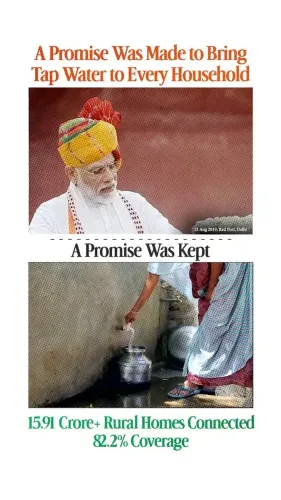
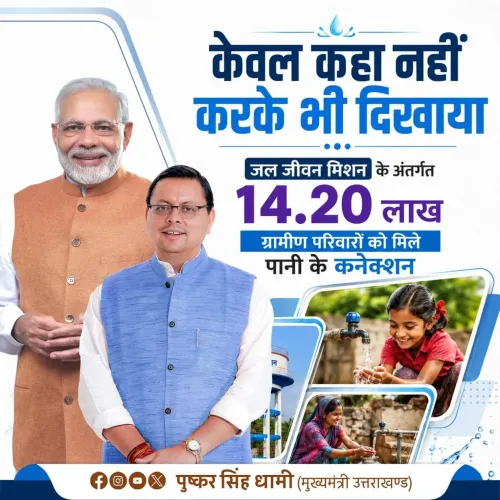
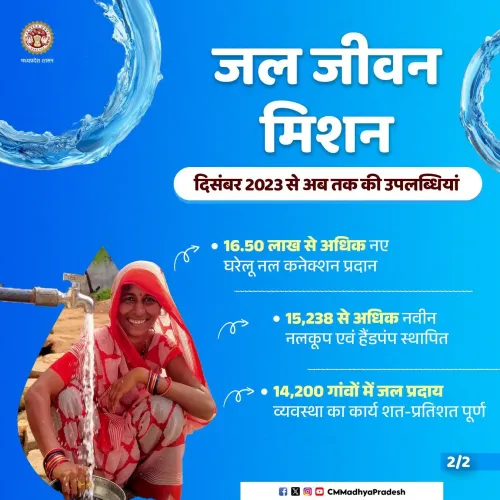
The progress is linked to the Jal Jeevan Mission , the Government of India programme launched in 2019 targeting universal rural household tap coverage.
The remaining 7.2% of uncovered households are expected to be in the most geographically remote or flood-prone areas of the state.
CM Sarma framed clean water access not as a basic facility but as a transformative factor for public health, empowerment, and social confidence.
Sustaining coverage quality and closing the last-mile gap are identified as the next key challenges for the state's water infrastructure programme.
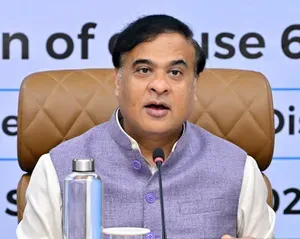
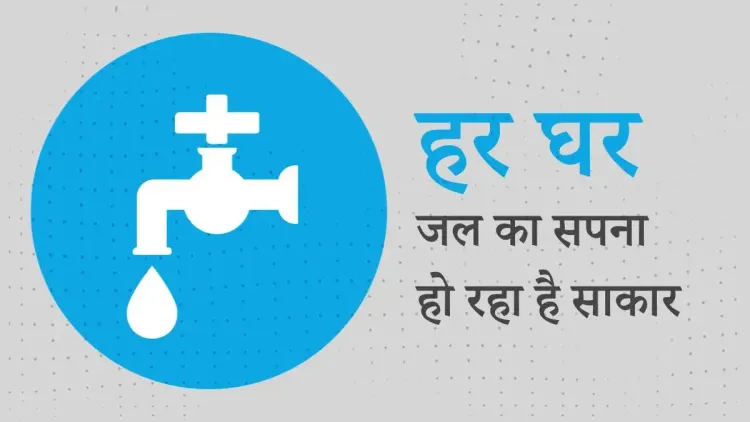
Assam Chief Minister Himanta Biswa Sarma on Sunday, 31 May 2026, highlighted a significant milestone in the state's water infrastructure drive, stating that 92.8% of households in Assam now have access to clean piped drinking water through tap connections — a development he framed as foundational to public health and social empowerment.
Posting in Hindi, CM Sarma wrote: 'स्वच्छ पेयजल तक पहुँच केवल एक सुविधा नहीं, बल्कि जीवन की गुणवत्ता से जुड़ा एक महत्वपूर्ण बदलाव है' ['Access to clean drinking water is not merely a convenience, but an important transformation linked to quality of life']. He added that sustained efforts had brought tap-based clean drinking water to 92.8% of homes in Assam, calling it a change that further strengthens the foundation of a healthy, empowered, and confident society.
Context
The announcement comes against the backdrop of the Jal Jeevan Mission (JJM), the Government of India programme launched in 2019 to provide functional household tap connections for clean drinking water across all rural households. The mission set an original target of universal rural coverage by 2024, with states receiving dedicated central funding and monitoring support to accelerate implementation.
Assam, along with other north-eastern states, has been a priority focus area under JJM given historically lower baseline coverage in the region. The state government has consistently aligned its water infrastructure messaging with the national mission's goals, framing progress in terms of public health outcomes rather than purely as an administrative achievement.
Policy Backdrop
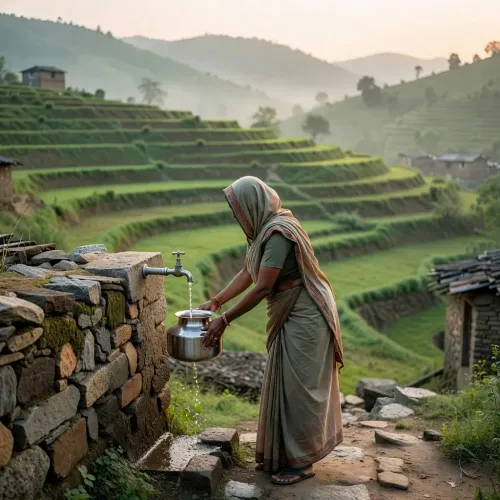
Before JJM's launch, a large share of rural households in north-eastern states, including Assam, depended on untreated surface water, hand pumps, or community sources that were often distant, seasonal, or contaminated. The shift to piped tap water at the household level addresses multiple vectors — reducing waterborne diseases, cutting the time burden on women and children who traditionally fetched water, and enabling better sanitation practices.
CM Sarma, who has led the state since 2021, has repeatedly cited infrastructure delivery — roads, water, electricity — as a core pillar of the BJP-led government's governance agenda in Assam. The water coverage figure cited in this post represents one of the more concrete metrics used to demonstrate delivery on that agenda.
Stakeholders and Impact
The primary beneficiaries are rural households in Assam, particularly women, children, and elderly residents in remote districts who previously bore the greatest burden of water insecurity. Clean tap water at the household level is linked in public health literature to reductions in diarrhoeal disease, improved child nutrition outcomes, and greater school attendance — especially among girls.
The remaining 7.2% of households yet to be covered represent the hardest-to-reach segments — geographically remote villages, flood-prone areas along the Brahmaputra floodplain, and communities in hilly terrain — where last-mile connectivity poses the most significant logistical and financial challenges.
What's Next
The focus now shifts to sustaining and maintaining existing infrastructure. Providing tap connections is only the first step; ensuring that water flows reliably, that pipes are maintained, and that source sustainability is protected requires ongoing state budget allocations and community-level oversight mechanisms. The Ministry of Jal Shakti publishes quarterly JJM coverage reports that will reflect whether Assam's reported figure is validated at the national level.
With coverage approaching near-universality, the government's next challenge will be quality assurance — ensuring that water delivered through these connections consistently meets potability standards — and closing the gap on the remaining households before the mission's extended timelines conclude.
Point of View
The communication strategy elevates an infrastructure metric into a quality-of-life statement. The north-east has historically been used as a showcase for JJM progress given the region's high baseline deficit, making Assam's near-universal coverage claim politically significant within the NEDA coalition framework. The real test, however, will be whether quarterly Ministry of Jal Shakti audits validate the state's reported figure and whether water quality at the tap matches the promise of 'clean' supply.
NationPress
14 Oct 2026
Frequently Asked Questions
What percentage of Assam households have tap water in 2026?
According to Assam Chief Minister Himanta Biswa Sarma, 92.8% of households in Assam now receive clean drinking water through tap connections as of May 2026.
What is the Jal Jeevan Mission and how does it relate to Assam?
The Jal Jeevan Mission is a Government of India programme launched in 2019 to provide functional household tap connections for clean drinking water in all rural areas. Assam has been a key implementation state under the mission, receiving dedicated funding to expand coverage across its rural and remote districts.
Who is Himanta Biswa Sarma?
Himanta Biswa Sarma is the Chief Minister of Assam, in office since 2021 . He is a senior BJP leader and serves as the convenor of the North-East Democratic Alliance (NEDA) .
What challenges remain for Assam's water supply programme?
The remaining 7.2% of households yet to be covered are likely in geographically remote, hilly, or flood-prone areas where last-mile infrastructure is most difficult. Beyond coverage, ensuring consistent water flow and potability standards in already-connected homes is the next major challenge.
How does Assam's tap water coverage compare to the national Jal Jeevan Mission target?
The Jal Jeevan Mission originally aimed for 100% rural household tap coverage by 2024 . Assam's reported figure of 92.8% places it close to but short of full coverage, with the final gap concentrated in the hardest-to-reach communities.