Assam UCC debate: Pijush Hazarika says polygamy laws violate equality

Synopsis
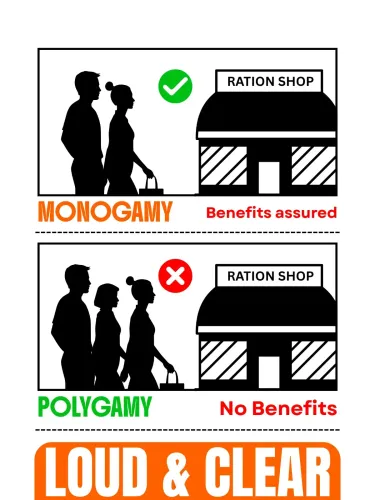
In a pointed Assembly address, former Assam minister Pijush Hazarika made the BJP government's most direct case yet for the state's UCC Bill — arguing that polygamy without spousal consent is a jailable offence waiting to happen, and that separate marriage laws for different communities have no place in a constitutional democracy.
Key Takeaways
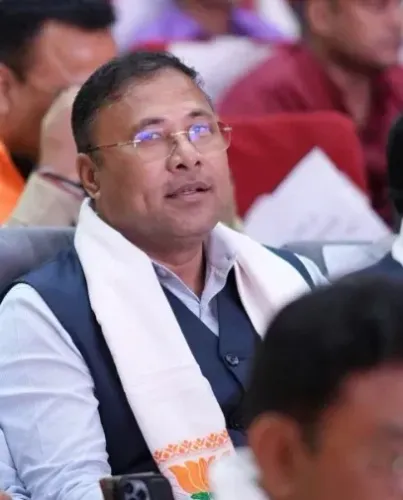
Pijush Hazarika , senior BJP MLA and former Assam minister, defended the Assam UCC Bill in the Assembly on 27 May 2025 .
Hazarika argued that polygamy without the consent of existing wives should be a jailable offence .
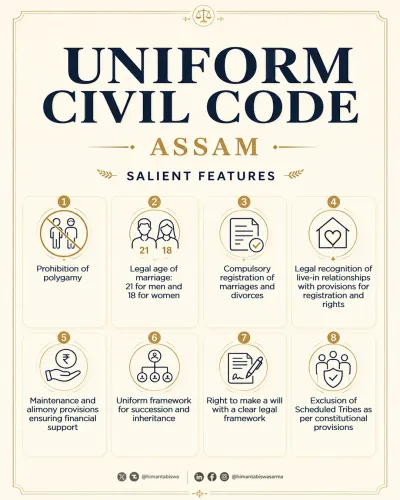
He clarified the Bill covers only civil matters: marriage, divorce, inheritance, maintenance, property rights, and polygamy .
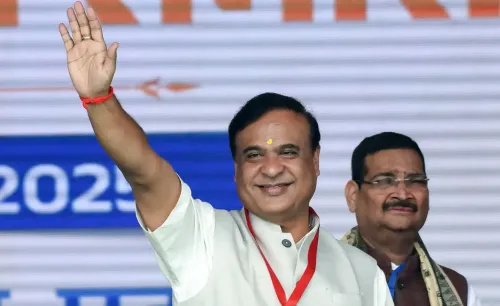
Chief Minister Himanta Biswa Sarma 's government frames the UCC as a measure for equality and social justice .
Opposition parties and civil society groups have raised concerns over exemptions and specific provisions in the draft.
Assam's push follows Uttarakhand , the first state to enact a UCC in independent India.
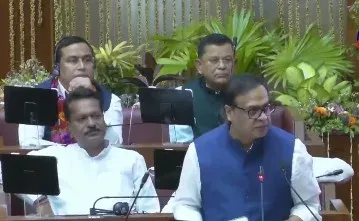
Senior Bharatiya Janata Party (BJP) legislator and former Assam minister Pijush Hazarika on Wednesday, 27 May made a forceful case for the proposed Uniform Civil Code (UCC) on the floor of the state Assembly, arguing that laws permitting polygamy are fundamentally incompatible with the constitutional principles of equality and justice.
Key Arguments on the Assembly Floor
Speaking during the fourth day of the ongoing Assembly session, Hazarika questioned the rationale behind maintaining separate marriage laws for different religious communities. 'Why should there be different marriage laws for Muslims?' he asked, advocating for a single, uniform legal framework across all communities.
On polygamy specifically, Hazarika was unequivocal. 'If a man marries a second woman without the consent of the first wife, then marries a third woman without the consent of the second wife, and later a fourth woman without the approval of the earlier wives, what should happen? He should be directly sent to jail,' he said in the House.
Scope of the UCC Bill
Hazarika clarified that the proposed legislation is confined to civil matters — covering marriage, divorce, inheritance, maintenance, property rights, and polygamy — and does not seek to interfere with religious beliefs, rituals, or customs. Rejecting allegations that the UCC targets a specific religion, he asked, 'Who is spreading this narrative that the Uniform Civil Code is against religion? The UCC is not an attack on any religion, nor does it seek to interfere with religious practices or customs.'
Government's Position
The BJP-led Assam government, headed by Chief Minister Himanta Biswa Sarma, has consistently maintained that the UCC legislation is aimed at ensuring equality and social justice for all residents of the state. Hazarika echoed this framing, stating, 'Standing in this respected House, we must clearly state that laws promoting equality are the correct laws.'
Opposition Concerns and Broader Context
Opposition parties and several civil society organisations have, however, raised concerns over certain exemptions and provisions in the draft Bill. Critics argue that the legislation, as currently drafted, may not achieve the uniformity it promises. This comes amid a broader national conversation on UCC, with Uttarakhand having already enacted its own version of the code earlier this year — the first state in independent India to do so. Assam's move is widely seen as the next significant step in this legislative push at the state level.
The Assembly debate is expected to continue, with a final vote on the Bill anticipated before the current session concludes.
Point of View
Making it harder for critics to oppose without appearing to defend polygamy. The strategy is deliberate: by centering the argument on a woman's right to consent, the party shifts the moral weight of the debate. Yet the opposition's concern about selective exemptions in the draft is legitimate and unaddressed — a UCC that carves out exceptions for certain communities or tribal groups may deliver less uniformity than its name suggests. Assam's bill will be a crucial test case for whether state-level UCCs can survive legal scrutiny and political pressure simultaneously.
NationPress
19 Sept 2026
Frequently Asked Questions
What is the Assam Uniform Civil Code (UCC) Bill?
The Assam UCC Bill is proposed legislation that seeks to establish a single set of civil laws — covering marriage, divorce, inheritance, maintenance, property rights, and polygamy — applicable uniformly to all residents of Assam regardless of religion. The BJP-led government under Chief Minister Himanta Biswa Sarma has framed it as a measure for equality and social justice.
What did Pijush Hazarika say about polygamy in the Assembly?
Hazarika argued that a man who marries multiple women without the consent of his existing wives should be sent directly to jail. He maintained that laws permitting such polygamy violate constitutional principles of equality and must be abolished.
Does the Assam UCC interfere with religious practices?
According to Hazarika, the UCC deals solely with civil matters and does not seek to interfere with religious beliefs, rituals, or customs. He rejected allegations that the Bill targets any specific religion.
Which other state has already enacted a UCC?
Uttarakhand became the first state in independent India to enact its own Uniform Civil Code earlier in 2025. Assam's legislative effort is seen as the next significant state-level push for the code.
What concerns have opposition parties raised about the Assam UCC?
Opposition parties and several civil society organisations have expressed concerns over specific exemptions and provisions in the draft Bill, arguing these could undermine the uniformity the legislation claims to deliver. A final vote on the Bill is expected before the current Assembly session concludes.