Bihar CM joins AI sensitisation session for state legislators
Synopsis
Bihar's Chief Minister inaugurated an orientation programme at the Bihar Legislative Assembly on 6 August 2026, training state legislators on artificial intelligence and the effective implementation of the Mukhya Mantri Kshetra Vikas Yojana constituency development scheme.
Key Takeaways
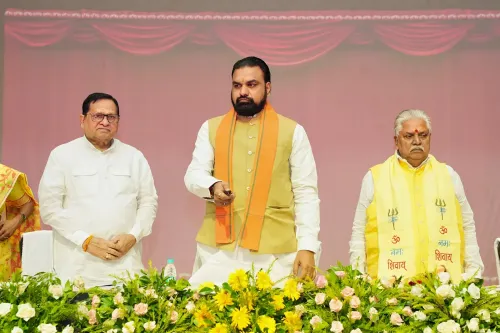
The Chief Minister of Bihar participated in and inaugurated an orientation programme for members of the Bihar Legislature on 6 August 2026 .
The session covered two themes: sensitisation to Artificial Intelligence (AI) and effective implementation of the Mukhya Mantri Kshetra Vikas Yojana .
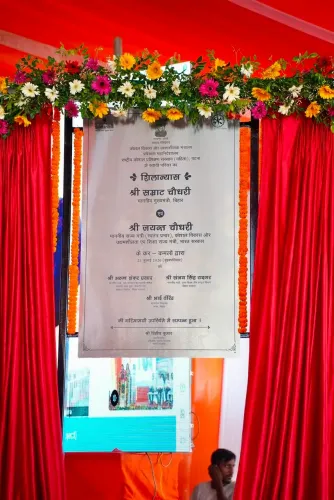
The event was held at the extended building of the Bihar Legislative Assembly .
The Mukhya Mantri Kshetra Vikas Yojana channels state funds to assembly constituencies for local infrastructure and development projects.
The programme reflects a broader national pattern of Indian states conducting digital and technology literacy sessions for elected representatives.
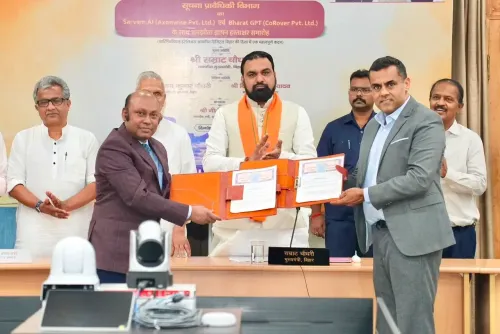
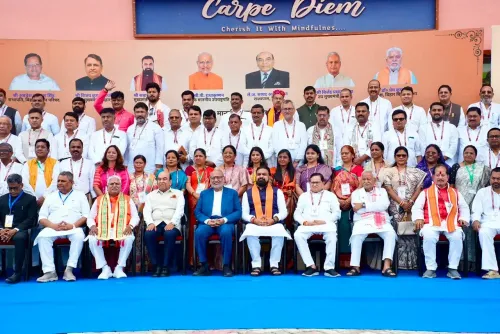
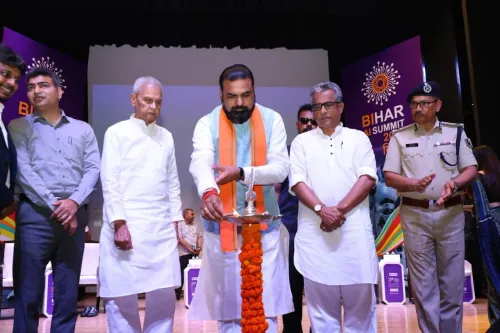
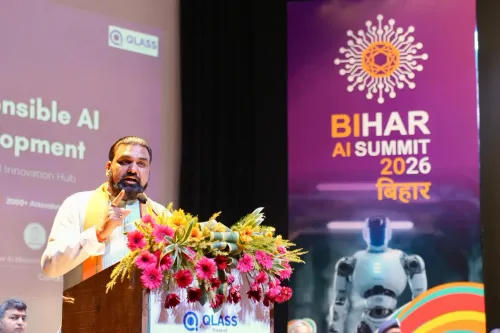
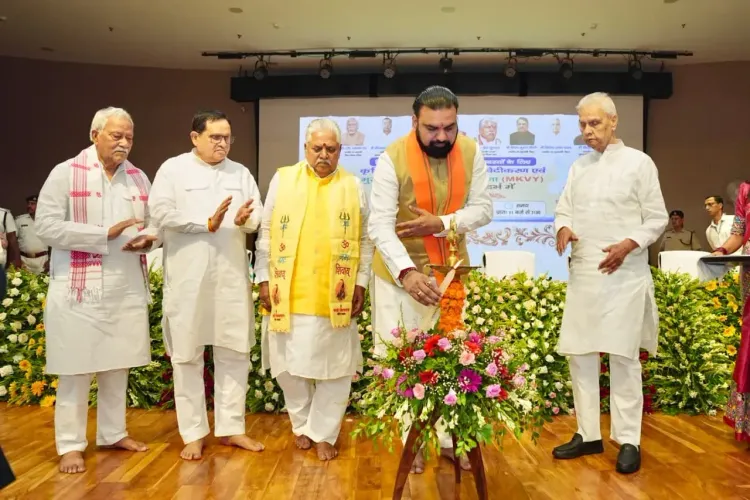
Bihar's lawmakers sat down with artificial intelligence on Thursday, 6 August 2026 — not as a distant concept, but as a governance tool they are now expected to understand and deploy. The Chief Minister's Office of Bihar announced that the Chief Minister participated in an orientation programme held for members of the Bihar Legislature, covering both AI sensitisation and the effective implementation of the Mukhya Mantri Kshetra Vikas Yojana. The event was inaugurated at the extended building of the Bihar Legislative Assembly.
The post, in Hindi, stated: 'Aaj Bihar Vidhan Mandal ke sadasyon ke liye Kritrima Buddhimatta (AI) ke samvedikaran evam Mukhya Mantri Kshetra Vikas Yojana ke prabhavi karyanvayan se sambandhit prabodhan karyakram mein shamil hua.' ('Today I participated in an orientation programme for members of the Bihar Legislature on sensitisation to Artificial Intelligence and effective implementation of the Chief Minister's Area Development Scheme, and inaugurated the event held at the extended building of the Bihar Legislative Assembly.')
What the Mukhya Mantri Kshetra Vikas Yojana means for constituencies
The Mukhya Mantri Kshetra Vikas Yojana is a Bihar government programme that channels funds directly to assembly constituencies for local infrastructure and development works. It places significant discretionary spending power in the hands of individual MLAs — which makes implementation quality and accountability directly tied to how well legislators understand the scheme's mechanics. Pairing a session on this scheme with AI literacy signals that the state government wants its representatives to think about both fund utilisation and technology-enabled oversight in the same breath.
Bihar joins a wider push to bring legislators into the digital age
Several Indian states have run similar capacity-building programmes in recent years, introducing elected representatives to digital tools, data dashboards, and emerging technologies as part of broader governance modernisation drives. Bihar has previously emphasised training for elected officials alongside constituency-level funding mechanisms. Holding such a session inside the Bihar Legislative Assembly's own premises — at its newly extended building — carries a symbolic weight: the institution itself is the classroom.
Whether today's orientation translates into measurable changes in how Bihar's legislators engage with AI tools or how rigorously they monitor scheme expenditure will be the real test. The next milestones to watch are follow-up training modules and any utilisation audits of the Mukhya Mantri Kshetra Vikas Yojana at the constituency level.
Legislators who walked in as passive recipients of state funds may walk out as active participants in how those funds — and the technologies that track them — actually work.
Point of View
Better-informed MLAs could mean tighter expenditure tracking and fewer leakages. The durability of this initiative, however, will depend on whether follow-up modules and accountability mechanisms are institutionalised or whether today's session remains a one-off photo opportunity.
NationPress
20 Sept 2026
Frequently Asked Questions
What is the Mukhya Mantri Kshetra Vikas Yojana in Bihar?
The Mukhya Mantri Kshetra Vikas Yojana is a Bihar government scheme that provides funds directly to assembly constituencies, allowing MLAs to undertake local infrastructure and development works in their areas.
Why did Bihar hold an AI sensitisation programme for MLAs?
The programme aimed to familiarise Bihar's legislators with artificial intelligence as a governance tool, alongside training on the effective implementation of the Mukhya Mantri Kshetra Vikas Yojana, as part of the state's capacity-building efforts for elected representatives.
Where was the Bihar legislators' orientation programme held?
The orientation programme was held at the extended building of the Bihar Legislative Assembly on 6 August 2026.
Who inaugurated the AI orientation programme for Bihar legislators?
The Chief Minister of Bihar inaugurated the programme, as announced by the Chief Minister's Office of Bihar on 6 August 2026.
Do other Indian states conduct AI or digital training for legislators?
Yes, several Indian states have run similar capacity-building and sensitisation sessions for elected representatives on digital technologies and governance tools in recent years, reflecting a wider national trend.